Protein is a vital macronutrient, a true building block for our bodies. It’s essential for countless functions, from repairing tissues and building muscles to making enzymes and hormones. Whether you’re an athlete, a busy parent, or simply striving for a healthier lifestyle, incorporating enough protein into your diet is crucial.
In this article, we’ll explore the incredible benefits of protein and dive into a list of essential protein-rich foods that can help you feel energized and strong. You’ll learn why these foods are important, how much protein you might need, and practical ways to include them in your daily meals.
The Power of Protein: Why It Matters
Protein plays many critical roles in keeping your body running smoothly. It’s not just for muscles; it’s involved in almost every bodily process.
- Muscle Growth and Repair: Protein provides the amino acids needed to build and repair muscle tissue, especially important after exercise.
- Satiety and Weight Management: Protein-rich foods help you feel full and satisfied longer, which can reduce overall calorie intake and support weight management goals.
- Bone Health: Adequate protein intake is associated with stronger bones, helping to maintain bone density as you age.
- Energy Production: While carbohydrates and fats are primary energy sources, protein can also be used for energy when needed.
- Hormone and Enzyme Production: Proteins are crucial for creating hormones and enzymes that regulate nearly all bodily functions.
- Immune Function: Antibodies, which fight off infections, are made from protein.
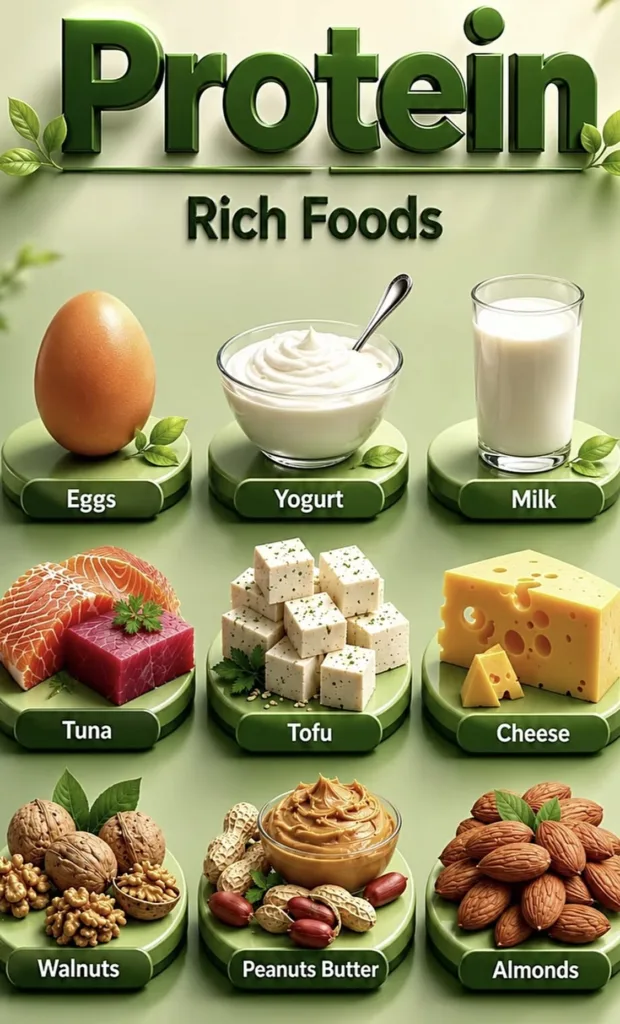
Top Essential Protein Foods for a Healthy Diet
Incorporating a variety of these foods can provide a balanced intake of essential amino acids.
1. Eggs
- Why they’re great: Often called nature’s multivitamin, eggs are a complete protein source, meaning they contain all nine essential amino acids.
- Main Nutrients: Protein, Vitamins D, B12, choline, selenium.
- Best ways to eat: Scrambled, boiled, poached, in omelets, or as a quick snack.
2. Greek Yogurt
- Why it’s great: Thicker and creamier than regular yogurt, Greek yogurt is packed with protein and often contains beneficial probiotics.
- Main Nutrients: Protein, calcium, probiotics, Vitamin B12.
- Best ways to eat: With fruit and granola, in smoothies, as a sour cream substitute, or in savory dips.
3. Milk
- Why it’s great: A classic source of both protein and calcium, milk is versatile and widely available.
- Main Nutrients: Protein, calcium, Vitamin D, potassium, phosphorus.
- Best ways to eat: In cereals, smoothies, coffee, or as a standalone drink.
4. Tuna (and other Fish)
- Why it’s great: Fish like tuna, salmon, cod, and sardines are excellent sources of lean protein and often provide healthy omega-3 fatty acids.
- Main Nutrients: Protein, Omega-3s (especially fatty fish), Vitamin D, B12, selenium.
- Best ways to eat: In salads, sandwiches, grilled, baked, or as part of a main dish.
5. Tofu and Tempeh
- Why they’re great: These soy-based products are fantastic plant-based protein sources, offering a complete amino acid profile.
- Main Nutrients: Protein, iron, calcium, manganese, phosphorus.
- Best ways to eat: Stir-fried, grilled, baked, crumbled in scrambles, or added to soups.
6. Cheese
- Why it’s great: Many types of cheese, especially cottage cheese, mozzarella, and cheddar, offer a good amount of protein along with calcium.
- Main Nutrients: Protein, calcium, phosphorus, Vitamin B12.
- Best ways to eat: On sandwiches, with crackers, in salads, or as a topping for dishes.
7. Walnuts (and other Nuts)
- Why they’re great: Nuts are convenient, nutrient-dense sources of plant-based protein, healthy fats, and fiber.
- Main Nutrients: Protein, healthy fats, fiber, magnesium, Vitamin E.
- Best ways to eat: As a snack, in trail mix, added to salads, oatmeal, or baked goods.
8. Peanut Butter (and other Nut Butters)
- Why it’s great: A creamy and satisfying way to boost protein, especially when made from 100% nuts with no added sugar.
- Main Nutrients: Protein, healthy fats, fiber, magnesium, potassium.
- Best ways to eat: On toast, with fruit, in smoothies, or as a dip.
9. Almonds
- Why they’re great: A popular and versatile nut, almonds provide a good amount of protein, fiber, and healthy fats.
- Main Nutrients: Protein, fiber, Vitamin E, magnesium, healthy fats.
- Best ways to eat: As a snack, in trail mix, sprinkled over yogurt or salads, or as almond butter.

How Much Protein Do You Need?
The amount of protein you need can vary based on your age, activity level, muscle mass, and overall health. A general guideline for adults is 0.8 grams of protein per kilogram (or 0.36 grams per pound) of body weight per day.
For example, a person weighing 150 pounds (approx. 68 kg) would need around 54 grams of protein per day. However, athletes, older adults, and those trying to lose weight might benefit from higher protein intakes, often ranging from 1.2 to 2.0 grams per kilogram of body weight.
Practical Tips for Boosting Your Protein Intake
- Start with Protein at Breakfast: Incorporate eggs, Greek yogurt, cottage cheese, or a protein smoothie to kickstart your day.
- Snack Smart: Keep protein-rich snacks handy like a handful of almonds, a hard-boiled egg, or a slice of cheese.
- Include Protein at Every Meal: Aim to have a source of protein in all your main meals.
- Choose Lean Meats and Fish: Opt for chicken breast, turkey, lean beef, and various types of fish.
- Explore Plant-Based Proteins: Don’t forget legumes (beans, lentils), tofu, tempeh, quinoa, and edamame.
- Protein Powders: If you struggle to meet your protein needs through food alone, a protein powder can be a convenient supplement, but whole foods are always preferred.
Potential Risks of Excessive Protein
While protein is essential, extremely high intakes over a long period can have potential implications, though these are generally rare when consuming protein from whole foods.
- Kidney Strain: For individuals with pre-existing kidney disease, very high protein intake may put additional strain on the kidneys. For healthy individuals, moderate increases in protein are generally safe.
- Dehydration: A high protein diet can increase the body’s need for water, so staying well-hydrated is crucial.
- Nutrient Imbalances: Focusing too much on protein might lead to neglecting other important food groups like fruits, vegetables, and whole grains, potentially causing nutrient deficiencies.
It’s always best to aim for a balanced diet and consult with a healthcare professional or registered dietitian if you have concerns about your protein intake or specific dietary needs.
FAQs About Protein Foods
Q1: Are plant-based proteins as good as animal proteins?
Many plant-based proteins, like soy (tofu, tempeh, edamame), quinoa, and a combination of legumes and grains, offer a complete amino acid profile. A varied plant-based diet can easily provide all essential amino acids.
Q2: Can eating more protein help me lose weight?
Yes, protein can support weight loss by increasing satiety, reducing appetite, and boosting metabolism slightly. However, it’s most effective as part of an overall calorie-controlled, balanced diet.
Q3: What’s the best time to eat protein?
Spreading protein intake throughout the day, especially around workouts, can be beneficial for muscle synthesis and recovery. Aim for a good protein source at each meal and snack.
Q4: Do protein bars and shakes count as healthy protein sources?
They can be convenient, but always check the ingredients. Many protein bars and shakes can be high in added sugars, unhealthy fats, and artificial ingredients. Prioritize whole food protein sources whenever possible.
Q5: Is it possible to eat too much protein?
While rare for healthy individuals consuming whole foods, excessively high protein intake (e.g., above 2g/kg body weight without medical supervision) over long periods might lead to issues like kidney strain or nutrient imbalances. Always aim for balance.
Q6: What are some high-protein snacks?
Great high-protein snacks include hard-boiled eggs, Greek yogurt, a handful of nuts or seeds, cottage cheese, edamame, beef jerky, or apple slices with peanut butter.
Conclusion
Protein is undeniably fundamental to our health and well-being. By understanding its many benefits and knowing which foods are rich in this essential nutrient, you can make informed choices to fuel your body effectively. From eggs and Greek yogurt to fish, tofu, and a variety of nuts, there are countless delicious ways to incorporate more protein into your daily meals. Embrace the power of protein to build strength, maintain energy, and support your overall health journey!
This content is for educational purposes only and should not be considered medical advice. Consult a qualified healthcare professional for personalized dietary recommendations.
Explore More Healthy Eating Resources:
- High Protein Breakfast Ideas
- Healthy Smoothie Recipes
- Best Foods for Gut Health
- Top Plant-Based Protein Sources