Are you looking for ways to boost your energy, sharpen your focus, and kickstart your metabolism each morning? The secret often lies in what you choose to eat for breakfast. A well-balanced morning meal does more than just fill you up; it sets the tone for your entire day.
In this guide, we’ll explore why a healthy breakfast is so important and highlight some of the best, most nutritious foods you can enjoy to power your day. Get ready to discover delicious options that will leave you feeling energized and ready to tackle anything!
Why a Healthy Breakfast Matters
Many of us rush through our mornings, often skipping breakfast or grabbing something quick and less nutritious. However, making time for a healthy breakfast offers a wealth of benefits:
- Sustained Energy: A balanced breakfast provides essential nutrients that slowly release energy throughout the morning, preventing that mid-morning slump.
- Improved Focus and Concentration: Your brain needs fuel to perform its best. Breakfast helps improve cognitive functions, making you more alert and productive.
- Better Mood: Stable blood sugar levels, supported by a healthy breakfast, can positively impact your mood and reduce irritability.
- Weight Management: Studies suggest that people who eat breakfast tend to maintain a healthier weight. It can help reduce overeating later in the day by curbing hunger.
- Nutrient Intake: Breakfast is an excellent opportunity to get a head start on your daily intake of vitamins, minerals, fiber, and protein.
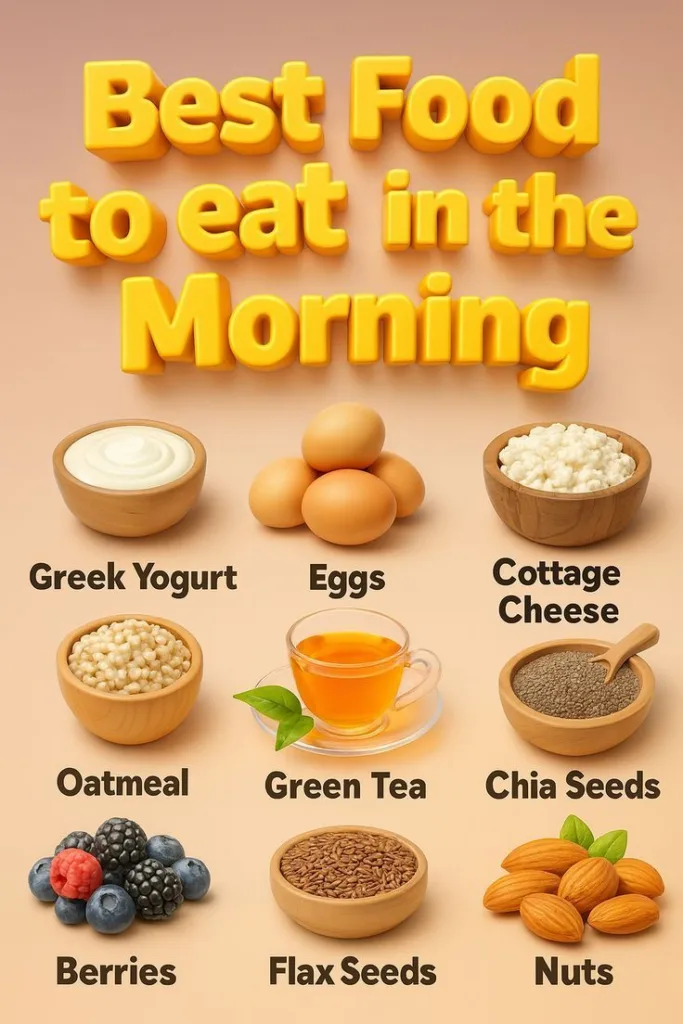
Top Healthy Foods to Eat Every Morning
Here are some of our favorite nutrient-packed foods to include in your morning routine:
Eggs
Eggs are a breakfast superstar! They are an excellent source of high-quality protein, which helps you feel full and satisfied. They also contain essential vitamins and minerals like vitamin D, B vitamins, and choline, which is vital for brain health.
- Best Benefit: High protein, satiety, brain health.
- Try It: Scrambled, poached, boiled, or in a quick frittata.

Greek Yogurt
Unlike regular yogurt, Greek yogurt is strained, making it thicker and higher in protein. It’s also packed with probiotics, beneficial bacteria that support gut health and digestion.
- Best Benefit: High protein, probiotics, calcium.
- Try It: Top with berries, nuts, a drizzle of honey, or add to smoothies.
Oatmeal
A warm bowl of oatmeal is a classic healthy breakfast choice. Oats are rich in soluble fiber, especially beta-glucan, which can help lower cholesterol and stabilize blood sugar levels. They provide sustained energy, keeping you full for hours.
- Best Benefit: Soluble fiber, heart health, sustained energy.
- Try It: Cook with water or milk, add fruit, nuts, and a pinch of cinnamon.

Berries
Strawberries, blueberries, raspberries, and blackberries are bursting with flavor and nutrients. They are low in calories but high in fiber and antioxidants, which help fight inflammation and protect your cells.
- Best Benefit: Antioxidants, fiber, vitamin C.
- Try It: Add to yogurt, oatmeal, smoothies, or enjoy on their own.

Nuts and Seeds
Almonds, chia seeds, and flax seeds are small but mighty. They offer a fantastic boost of healthy fats, protein, and fiber, contributing to satiety and overall health.
- Almonds: Healthy fats, vitamin E, magnesium.
- Chia Seeds: Omega-3 fatty acids, fiber, protein.
- Flax Seeds: Omega-3s, lignans (antioxidants), fiber.
- Best Benefit: Healthy fats, fiber, minerals.
- Try It: Sprinkle over oatmeal, yogurt, or blend into smoothies.
Cottage Cheese
Similar to Greek yogurt, cottage cheese is an excellent source of protein, especially casein, which is a slow-digesting protein. This makes it ideal for feeling full for longer.
- Best Benefit: High protein, satiety, calcium.
- Try It: Pair with fruit, a sprinkle of black pepper, or chopped vegetables.
Green Tea
While not a food, green tea is a wonderful addition to your morning routine. It contains antioxidants (EGCGs) and a moderate amount of caffeine, which provides a gentle energy boost without the jitters associated with too much coffee. It may also support metabolism.
- Best Benefit: Antioxidants, gentle energy boost, metabolism support.
- Try It: Enjoy a warm cup alongside your breakfast.

Common Breakfast Mistakes to Avoid
Even with good intentions, it’s easy to fall into common breakfast traps:
- Skipping Breakfast Entirely: This can lead to overeating later in the day and disrupt your metabolism.
- Sugary Cereals: Many cereals are loaded with added sugar and lack fiber and protein, leading to a quick energy spike followed by a crash.
- Processed Pastries: Doughnuts, muffins, and croissants are often high in refined carbs and unhealthy fats, offering little nutritional value.
- Not Enough Protein or Fiber: Without these, you’ll likely feel hungry again quickly, even if you ate something.
Practical Tips for a Better Breakfast
Making healthier breakfast choices doesn’t have to be complicated. Here are some tips:
- Meal Prep: Prepare ingredients or entire meals ahead of time. Overnight oats, pre-chopped fruit, or hard-boiled eggs can save precious morning minutes.
- Balance Your Plate: Aim for a mix of protein, complex carbohydrates, and healthy fats to ensure sustained energy and satiety.
- Stay Hydrated: Start your day with a glass of water before or with your breakfast.
- Listen to Your Body: Eat when you’re genuinely hungry, and choose foods that make you feel good and energized.
- Vary Your Choices: Don’t get stuck in a rut. Rotate different foods to ensure a wide range of nutrients.
FAQs About Healthy Breakfasts
Is skipping breakfast bad for you?
For most people, regularly skipping breakfast can lead to increased hunger later, poorer food choices, and potential nutrient deficiencies. However, some people thrive on intermittent fasting; it’s best to consult a healthcare professional for personalized advice.
How much protein should I eat for breakfast?
Aim for at least 15-25 grams of protein at breakfast to promote satiety and support muscle maintenance. This could be two eggs, a cup of Greek yogurt, or a protein smoothie.
Can I just drink coffee for breakfast?
While coffee provides caffeine, it doesn’t offer the nutrients or sustained energy a balanced breakfast does. It’s best enjoyed alongside a nutritious meal rather than as a replacement.
What are quick breakfast ideas for busy mornings?
Overnight oats, hard-boiled eggs with a piece of fruit, a smoothie made with protein powder and spinach, or whole-grain toast with avocado are all quick and healthy options.
Are smoothies a good breakfast?
Yes, smoothies can be an excellent breakfast, especially if they include protein (yogurt, protein powder), fiber (spinach, chia seeds), and healthy fats (avocado, nuts) along with fruits and vegetables.
What if I don’t feel hungry in the morning?
Try starting with something light, like a piece of fruit or a small yogurt. Your appetite may adapt over time. Also, consider when and what you’re eating the night before.
Conclusion
Making healthy breakfast choices is one of the simplest yet most impactful steps you can take for your overall well-being. By incorporating nutrient-dense foods like eggs, Greek yogurt, oatmeal, and fresh berries, you’re not just satisfying hunger; you’re fueling your body and mind for a day of productivity, focus, and good health.
Remember, a great day often starts with a great breakfast. So, take a moment to nourish yourself and feel the difference! We encourage you to explore more healthy eating tips and recipes on our website to continue your journey toward a vibrant lifestyle.
This content is for educational purposes only and should not be considered medical advice. Consult a qualified healthcare professional for personalized dietary recommendations.