Unlock Wellness: Ginger, Cloves & Cinnamon for a Simple Daily Ritual. Discover how this warm, inviting blend can elevate your daily routine, offering comforting benefits as a practical addition to your natural health journey.
Imagine starting your day with a simple ritual that not only warms your soul but also quietly supports your well-being. What if three humble kitchen spices, often overlooked, held the key to transforming your daily routine into a moment of nurturing self-care?
You might be surprised to learn that ginger, cloves, and cinnamon – a trio renowned for their distinct flavors and aromas – have been cherished for centuries in traditional practices for reasons far beyond culinary delight. This ancient, comforting blend offers surprising wellness benefits that are simply too good to miss.
Why This Matters: The Enduring Appeal of Spices for Well-being
In our modern world, where health solutions often seem complex and costly, there’s a growing desire for accessible, natural ways to nurture our bodies. This is precisely why a simple, spice-infused ritual has captured the hearts of so many seeking holistic health.
Many people are drawn to natural wellness approaches because they appreciate the wisdom of traditional practices and the power of ingredients found in nature. However, a common misconception is that effective remedies must be exotic or difficult to source. The truth is, some of the most potent allies for our health are likely already in our pantry.
This particular blend of ginger, cloves, and cinnamon has gained popularity for good reason. It offers a gentle yet effective way to incorporate ancient wisdom into contemporary living. It’s especially appealing to those who want to age gracefully, maintain vitality, and prevent common health issues naturally, without relying solely on pharmaceutical solutions.
The Power of Three: Unpacking Nature’s Gifts in Ginger, Cloves, and Cinnamon
Let’s explore the individual wonders each of these magnificent spices brings to our wellness journey, understanding both their traditional uses and what modern science has begun to uncover.
Ginger: The Warming Root of Comfort
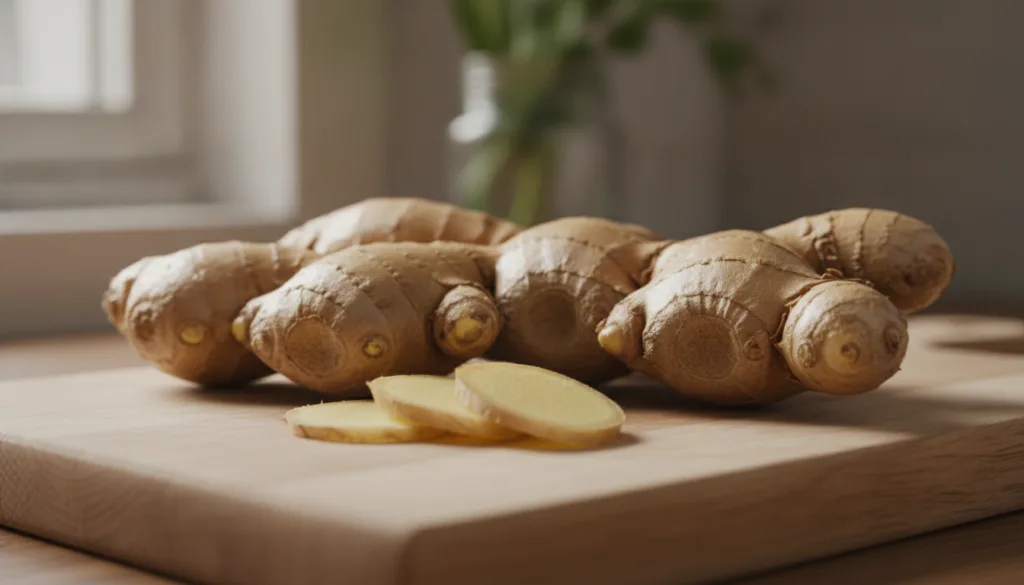
Ginger, with its distinctive pungent and spicy flavor, has been a staple in traditional medicine across Asia for thousands of years. It’s often celebrated for its warming properties and its ability to soothe the stomach.
- Traditional Uses: Historically, ginger was used to aid digestion, alleviate nausea, ease motion sickness, and reduce discomfort associated with colds and flu. It was also valued for its role in traditional anti-inflammatory practices.
- Nutritional Compounds: The primary bioactive compounds in ginger are gingerols, shogaols, and paradols. These compounds are responsible for much of ginger’s unique flavor and its potential health-supporting properties.
- Modern Understanding: Some scientific studies suggest ginger may support healthy digestion by accelerating gastric emptying, potentially helping to ease feelings of fullness or indigestion. Its compounds also show promise in contributing to the body’s natural inflammatory response, making it a subject of ongoing research for conditions like osteoarthritis.
Cloves: The Aromatic Bud with Hidden Depths
Cloves are the aromatic flower buds of a tree in the Myrtaceae family, native to Indonesia. Their intense, warm, and sweet-spicy flavor has made them a culinary delight, but their traditional uses go much deeper.
- Traditional Uses: Traditionally, cloves were revered for their antiseptic and pain-relieving qualities, particularly for dental discomfort. They were also used to support digestive health and as a warming spice in various remedies.
- Nutritional Compounds: The main active compound in cloves is eugenol, a potent antioxidant. Cloves also contain various other antioxidants, vitamins (like Vitamin K), and minerals (like manganese).
- Modern Understanding: Research indicates that eugenol has notable antioxidant properties, which may help protect cells from oxidative stress. Some studies have explored cloves’ potential role in supporting oral health and contributing to a healthy inflammatory response within the body.
Cinnamon: The Sweet Embrace of Wellness
Cinnamon, one of the oldest spices known, comes from the inner bark of several tree species. Its sweet, warm, and woody aroma is unmistakable, making it a beloved addition to both sweet and savory dishes globally.
- Traditional Uses: Throughout history, cinnamon was used in traditional practices for its potential to support healthy blood sugar levels and for its warming, carminative properties that could aid digestion. It was also valued for its preservative qualities.
- Nutritional Compounds: The distinct smell and flavor of cinnamon come from its oily component, rich in the compound cinnamaldehyde. Other active compounds include cinnamic acid and cinnamate.
- Modern Understanding: A significant body of research focuses on cinnamon’s potential to help maintain healthy blood sugar levels already within the normal range. It’s also recognized for its high antioxidant content, which can help combat oxidative stress in the body.

Practical Guide: Crafting Your Daily Wellness Brew
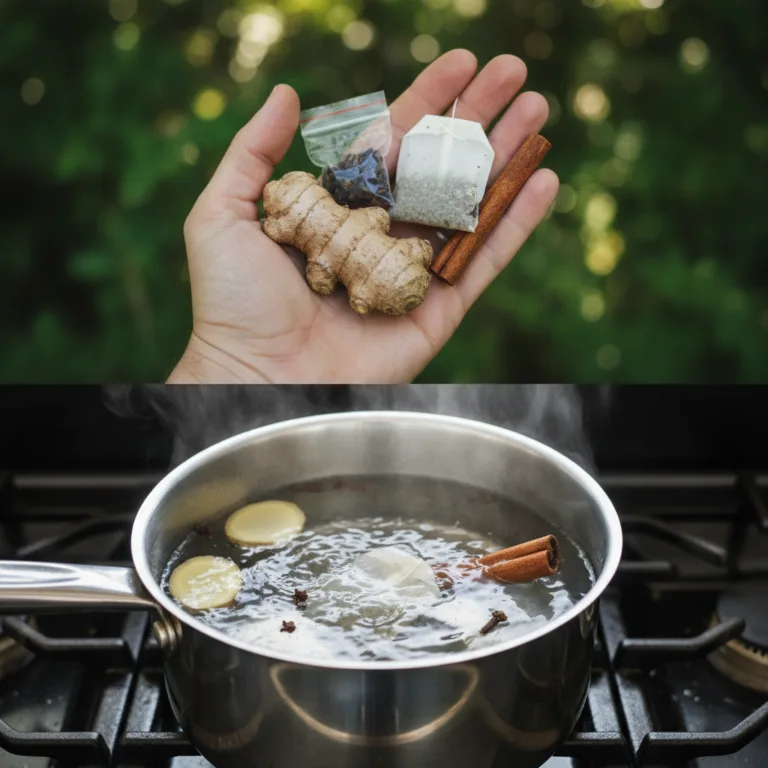
Ready to invite this comforting ritual into your life? Here’s how to prepare a simple, delicious, and beneficial ginger, clove, and cinnamon tea.
Simple Warming Spice Infusion Recipe
This recipe creates a soothing and flavorful brew perfect for any time of day.
Ingredients:
- 1 inch fresh ginger, peeled and thinly sliced or grated
- 4-5 whole cloves
- 1 cinnamon stick (about 2-3 inches long) or ½ teaspoon ground cinnamon
- 2 cups water
- Optional: Honey or maple syrup to taste, a slice of lemon or orange
Preparation & Usage:
- Combine: In a small saucepan, combine the water, sliced ginger, whole cloves, and cinnamon stick (if using). If using ground cinnamon, add it after the water comes to a boil to prevent clumping.
- Simmer: Bring the mixture to a boil, then reduce the heat to low and let it simmer gently for 10-15 minutes. The longer it simmers, the stronger the flavor and the more compounds will be extracted.
- Strain: Remove from heat and carefully strain the liquid into your favorite mug, discarding the solids.
- Sweeten & Enjoy: Add honey or maple syrup to your liking, and a squeeze of lemon or orange if desired. Sip slowly and enjoy the warmth.
Serving Suggestions:
- Enjoy it warm first thing in the morning to gently awaken your digestive system.
- Have a cup in the afternoon for a comforting break.
- Enjoy it before bed (without too much sweetener) to help unwind.
Storage:
You can make a larger batch and store it in an airtight container in the refrigerator for up to 2-3 days. Reheat gently on the stovetop or in the microwave.
Beginner Tips:
- Start with smaller amounts of spices if you’re new to the flavors and adjust to your preference.
- Experiment with adding a pinch of black pepper (to enhance absorption) or a slice of orange peel for extra aroma.
Safety & Precautions: Important Considerations
While ginger, cloves, and cinnamon are generally safe for most people when consumed in culinary amounts, it’s always wise to be aware of potential considerations, especially if you have existing health conditions or are taking medications.
- Blood Thinners: All three spices, particularly ginger and cinnamon (especially Cassia cinnamon), may have mild blood-thinning properties. If you are taking anticoagulant medications (blood thinners) like Warfarin, consult your doctor before regularly consuming large amounts of these spices.
- Blood Sugar Levels: Cinnamon may affect blood sugar levels. If you have diabetes or are on medication for blood sugar management, monitor your levels and discuss any dietary changes with your healthcare provider.
- Allergies: Though rare, allergic reactions to these spices can occur. Discontinue use if you experience any adverse symptoms.
- Pregnancy & Breastfeeding: While culinary use is generally fine, high medicinal doses of certain herbs and spices are often cautioned against during pregnancy and breastfeeding. It’s always best to consult your doctor.
- Digestive Sensitivity: Some individuals may experience stomach upset with very large quantities of spicy ingredients like ginger.
Always encourage readers to consult with a healthcare professional or a registered dietitian before making significant changes to their diet or supplement regimen, especially if they have underlying health conditions or are taking medications.
Key Takeaways: Embrace the Spice of Life
This simple ginger, clove, and cinnamon ritual offers more than just a pleasant taste; it’s a testament to nature’s profound ability to support our well-being.
- Digestive Support: Ginger is renowned for its stomach-soothing and digestive aid properties.
- Antioxidant Power: Cloves and cinnamon are rich in antioxidants, helping to protect your body from oxidative stress.
- Inflammatory Response: All three spices contribute to the body’s natural inflammatory response.
- Blood Sugar Balance: Cinnamon, in particular, may help maintain healthy blood sugar levels already within the normal range.
- Simple Ritual: Easily incorporate this comforting brew into your daily routine for a moment of self-care.
- Natural & Accessible: Harness the benefits of common kitchen spices for holistic health.
FAQ: Your Questions Answered
How often can I drink this ginger, clove, and cinnamon blend?
For most healthy individuals, enjoying one to two cups of this spice infusion daily is generally considered safe and beneficial. Listen to your body and adjust as needed.
Can I use powdered spices instead of whole ones?
Yes, you can! Use about ½ teaspoon of ground ginger, ¼ teaspoon of ground cloves, and ½ teaspoon of ground cinnamon for two cups of water. However, whole spices often offer a richer flavor and can be strained out more easily. Ground spices may leave a fine sediment at the bottom of your cup.
What are the best times to drink this wellness brew?
Many people enjoy it first thing in the morning to kickstart their day, or in the afternoon as a pick-me-up. It can also be a soothing evening beverage, helping you unwind before bed, especially if you’re experiencing digestive discomfort.
Are there any side effects to consuming these spices regularly?
When consumed in typical culinary amounts, side effects are rare. However, as mentioned in the precautions section, individuals on blood thinners, those with diabetes, or pregnant/breastfeeding women should consult a healthcare professional. Very large doses might cause mild digestive upset in sensitive individuals.
Related Reading: Continue Your Wellness Journey
Intrigued by the power of natural ingredients? Dive deeper into related topics to further enhance your health and vitality:
- The Best Herbal Teas for Immune Support
- Top Anti-Inflammatory Foods to Add to Your Diet
- Simple Home Remedies for Digestive Comfort
- Embracing Healthy Aging: Natural Strategies for Vitality