Most people admire the Persian Silk Tree, or Albizia julibrissin, for its stunning, delicate pink blossoms and graceful, fern-like leaves. Yet, the true secret of this beautiful tree lies not just in its aesthetic appeal, but in a long-revered traditional remedy for fostering inner calm and emotional well-being. While many focus on the fleeting beauty of its flowers, herbalists have long cherished its bark and blossoms for their unique properties.
One small preparation mistake, however, can diminish the potency and effectiveness of this gentle remedy. This guide will walk you through the precise steps to unlock the soothing potential of the Persian Silk Tree, ensuring you avoid common pitfalls and harness its full benefits for tranquility.

What It Is: The Persian Silk Tree Remedy
The Persian Silk Tree, also known as Mimosa tree or ‘He Huan Pi’ in Traditional Chinese Medicine, is more than just an ornamental plant. Its bark and flowers have been traditionally used to uplift the spirit and calm the mind. The remedy is often prepared as a tea or tincture, aiming to support a sense of peace and alleviate occasional stress or emotional imbalance. Unlike harsh sedatives, the Albizia remedy is revered for its gentle, balancing effect.
Ingredients You’ll Need
To prepare a simple and effective Albizia tea, you’ll need just a few key components:
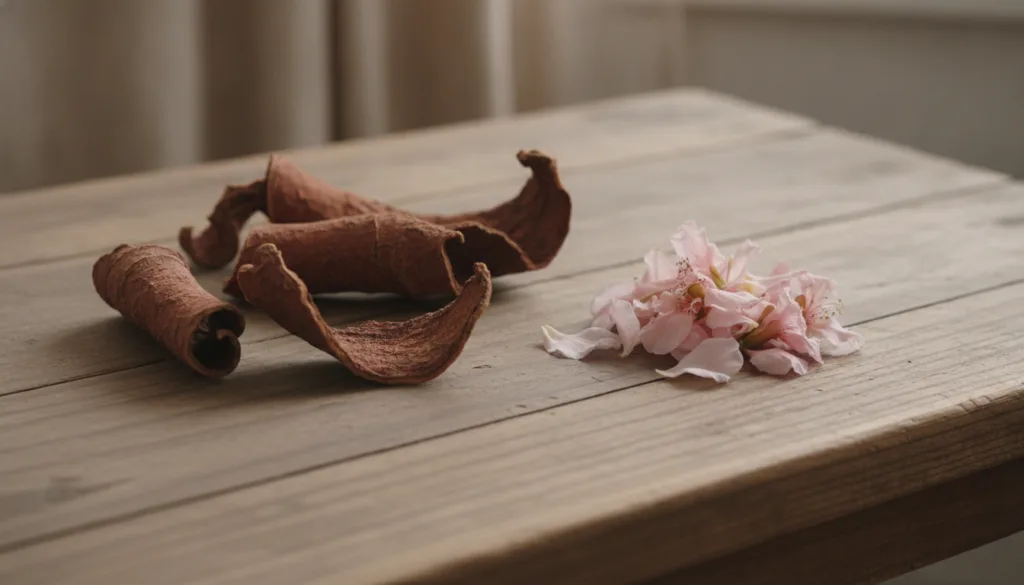
- Dried Albizia Bark (He Huan Pi): This is the most commonly used part for its calming properties. It should be sourced from a reputable herbal supplier.
- Optional: Dried Albizia Flowers (He Huan Hua): While the bark is primary, the flowers can add a lighter, more uplifting aspect to the blend.
- Filtered Water: Essential for a clean and pure infusion.
Approximate Measurements
For a single serving of Albizia tea, here are the general guidelines:
- Dried Albizia Bark: 3-6 grams (approximately 1-2 teaspoons, depending on the coarseness)
- Dried Albizia Flowers: 1-2 grams (approximately 1/2 teaspoon) – if using
- Filtered Water: 1 cup (240 ml)
Formula / Recipe: Albizia Calming Tea
This recipe focuses on creating a gentle yet potent tea to help you unwind. The key is in a slow, controlled simmer rather than a harsh boil.
Step-by-Step Method
- Gather Ingredients: Measure out your dried Albizia bark and any optional flowers.
- Rinse Briefly: Place the bark and flowers in a fine-mesh strainer and rinse quickly under cool water to remove any dust or debris.
- Prepare for Simmering: Transfer the rinsed bark (and flowers, if using) to a small non-reactive saucepan. Add 1 cup of filtered water.
- Gentle Simmer: Bring the water to a very gentle simmer over low heat. Do not boil vigorously, as this can degrade the delicate compounds. Cover the pot.
- Infuse: Allow it to simmer gently for 15-20 minutes. If using flowers, you might add them in the last 5 minutes of simmering to preserve their delicate aroma and properties.
- Strain: Remove the pot from the heat and let it cool slightly. Strain the liquid through a fine-mesh strainer into your mug, pressing down on the solids to extract all liquid.
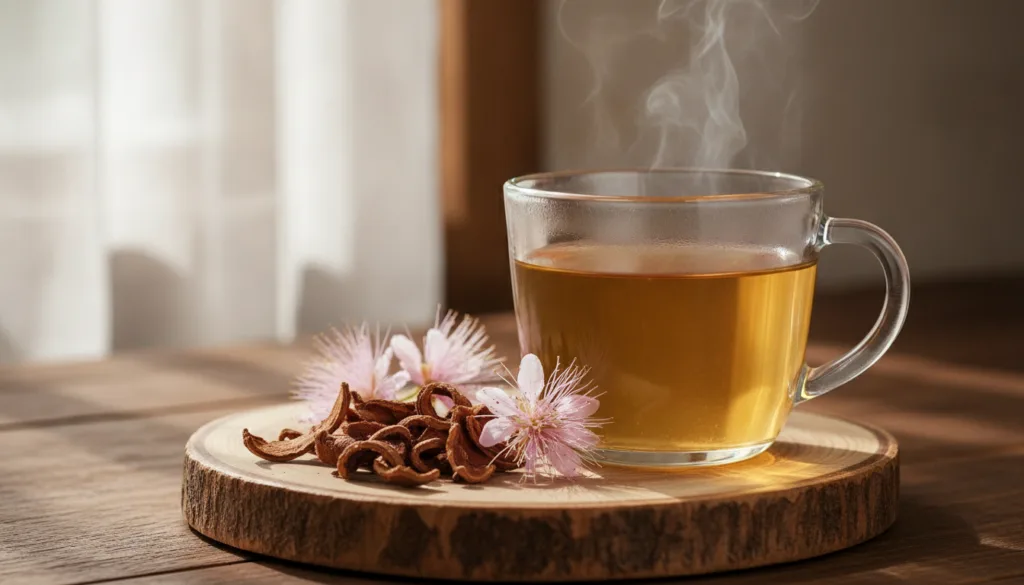
- Serve: Your Albizia calming tea is ready. It can be enjoyed warm.
Did You Know? Bark vs. Flowers
While both parts of the Albizia tree are used, they are often described with slightly different energetic properties in traditional systems:
| Feature | Albizia Bark (He Huan Pi) | Albizia Flowers (He Huan Hua) |
|---|---|---|
| Primary Use | Calming, grounding, supports emotional stability | Uplifting, brightens mood, less grounding |
| Flavor Profile | Mildly sweet, slightly woody | Sweet, delicate, more floral |
| Preparation | Typically simmered for longer | Infused briefly, or added late to bark decoction |
| Potency | Stronger for deep emotional support | Gentler, more for mild mood uplift |
How to Use Your Albizia Tea
Drink the tea when you need a moment of calm. Many find it beneficial in the evening to unwind before bed, or during times of increased stress throughout the day. Sip slowly and mindfully, allowing its gentle warmth to soothe you.
How Often to Use
For general well-being and occasional stress, 1-2 cups per day is a common recommendation. For more persistent emotional support, some individuals may use it daily for a period. It’s always wise to start with a lower dose and observe how your body responds before increasing frequency or quantity.
How to Buy / How to Choose Ingredients
The quality of your Albizia bark and flowers is paramount. Here’s what to look for:
- Reputable Suppliers: Purchase from trusted herbalists, organic health stores, or online retailers specializing in traditional Chinese herbs.
- Organic or Wildcrafted: Opt for organic or wildcrafted varieties to ensure they are free from pesticides and harmful chemicals.
- Appearance: The bark should be reddish-brown, often in curved pieces. The flowers, if dried, should retain some of their natural pink hue and delicate structure, not be crumbly or discolored.
- Aroma: Fresh, good quality bark should have a mild, slightly sweet aroma.
You may also like: The Complete Guide to Chamomile Tea for Better Sleep
Storage
Proper storage ensures the longevity and potency of your dried Albizia ingredients and prepared tea:
- Dried Ingredients: Store dried Albizia bark and flowers in airtight containers, away from direct sunlight, heat, and moisture. A cool, dark pantry is ideal. They can typically last for 1-2 years when stored correctly.
- Prepared Tea: The prepared tea is best consumed fresh. If you have leftovers, store them in a sealed container in the refrigerator for no more than 24 hours. Reheat gently, but avoid boiling.
Practical Tips for Enhanced Calm
- Mindful Consumption: Turn your tea time into a ritual. Sit quietly, focus on the aroma, and consciously relax as you sip.
- Combine with Deep Breathing: While drinking, practice slow, deep breaths to amplify the calming effect.
- Consider a Tincture: For convenience, Albizia is also available as a tincture, which can be easier for daily consistent use. Consult an herbalist for appropriate dosing.
- Avoid Additives: For the purest experience, avoid adding sugar or artificial sweeteners to your tea. A touch of raw honey can be added if desired.
Common Mistakes to Avoid
- Boiling Too Vigorously: High heat can destroy some of the active compounds. Always use a gentle simmer.
- Using Low-Quality Ingredients: Sourcing from unreliable places can mean contaminated or ineffective herbs.
- Ignoring Your Body’s Response: Everyone is different. Pay attention to how the remedy affects you and adjust dosage as needed.
- Expecting Instant Results: Herbal remedies often work gently and subtly over time. Consistency is key.
- Confusing Parts: While both bark and flowers are used, bark is generally more grounding, while flowers are more uplifting. Don’t assume they are interchangeable for all purposes.
Cautions / Who Should Avoid It
While Albizia is generally considered safe for most people, certain individuals should exercise caution or avoid it entirely:
- Pregnancy and Breastfeeding: There is insufficient research on its safety during pregnancy or lactation. It’s best to avoid.
- Medication Interactions: If you are taking prescription medications, especially sedatives, antidepressants, or anxiety medications, consult your doctor or a qualified herbalist before using Albizia, as it may interact.
- Pre-existing Conditions: Individuals with liver conditions or other severe health issues should seek professional medical advice before use.
- Children: Its use in children is not well-established; consult a pediatrician.
Quick Summary: Your Guide to Albizia Calm
- Best Preparation: Gentle simmer of dried bark (3-6g per cup) for 15-20 minutes.
- Best Use-Case: For promoting inner calm, unwinding, and supporting emotional balance.
- Storage: Dried herbs in airtight, cool, dark place (1-2 years); prepared tea refrigerated for 24 hours.
- When to Use: Evenings for relaxation or during times of stress, 1-2 cups daily.
- What to Avoid: Vigorous boiling, low-quality herbs, and use without consulting a doctor if on medication or pregnant.
FAQ: Common Questions About Albizia Tea
- Can I use fresh Albizia bark or flowers?
While traditionally fresh parts are used, for home preparation, dried bark and flowers are more readily available and easier to dose accurately. Fresh materials would require careful processing and drying. - How long does the dried Albizia bark last?
When stored properly in an airtight container away from light and moisture, dried Albizia bark can last 1-2 years. - Can I refrigerate the prepared tea?
Yes, you can refrigerate prepared tea in a sealed container for up to 24 hours. It’s best consumed fresh. - How often should I drink Albizia tea?
For general support, 1-2 cups per day is common. Adjust based on your personal response and needs. - What part of the tree is best for calming?
The bark (He Huan Pi) is generally considered the primary part for its grounding and calming properties, while the flowers (He Huan Hua) are often used for a lighter, more uplifting effect. - Can I reuse the bark after making tea?
The bark’s potent compounds are largely extracted during the first simmer. Reusing it will result in a much weaker tea. - When should I avoid Albizia tea?
Avoid if pregnant, breastfeeding, or taking sedatives/antidepressants without consulting a healthcare professional.
Read more: DIY Stress Relief: Making Your Own Herbal Tinctures
Conclusion
The Persian Silk Tree offers a gentle, traditional path to inner calm that is often overlooked in our fast-paced world. By understanding the proper preparation and mindful use of its bark and flowers, you can tap into this ancient remedy to support your emotional well-being. Remember that consistency and quality ingredients are key to experiencing its subtle, balancing benefits. Take a moment for yourself, brew a cup, and rediscover the tranquility that nature so beautifully provides.
Continue with: Understanding the Benefits of Lavender Essential Oil