Transform Your Health: 10 Natural Habits for a Clean, Powerful Gut
Do you ever feel a little sluggish, bloated, or simply not as energetic as you’d like? Many of us experience these common complaints without realizing that the secret to feeling lighter, brighter, and more vibrant might just lie deep within our bodies: in our gut!
Your gut, a bustling ecosystem of trillions of microorganisms, plays a far greater role in your overall well-being than you might imagine. It influences everything from your digestion and nutrient absorption to your mood, immunity, and even how well you age. Ready to unlock some powerful natural habits that can utterly transform your daily well-being?
Why Your Gut Health Matters More Than You Think
In our fast-paced world, it’s easy to overlook the quiet workings of our digestive system. Yet, an imbalanced gut can manifest in countless ways: digestive discomfort, fatigue, skin issues, mood swings, and even frequent illness. The good news is that people are becoming increasingly aware of this vital connection, driving a surge in interest in natural, holistic approaches to gut wellness.
This isn’t just a trend; it’s a return to understanding our body’s fundamental needs. By focusing on simple, natural habits, you can support your gut microbiome, reduce inflammation, enhance nutrient absorption, and pave the way for a healthier, more energetic you. Whether you’re dealing with occasional digestive woes or simply want to optimize your vitality as you age, these habits offer a gentle yet powerful path forward.
10 Natural Habits for a Clean, Powerful Gut
Let’s dive into practical, everyday steps you can take to nurture your digestive system and cultivate a thriving inner ecosystem.
1. Hydrate Generously
It sounds simple, but drinking enough water is fundamental for gut health. Water helps keep things moving through your digestive tract, prevents constipation, and supports the integrity of your gut lining. Aim for pure, filtered water throughout the day.
2. Embrace Fiber-Rich Foods
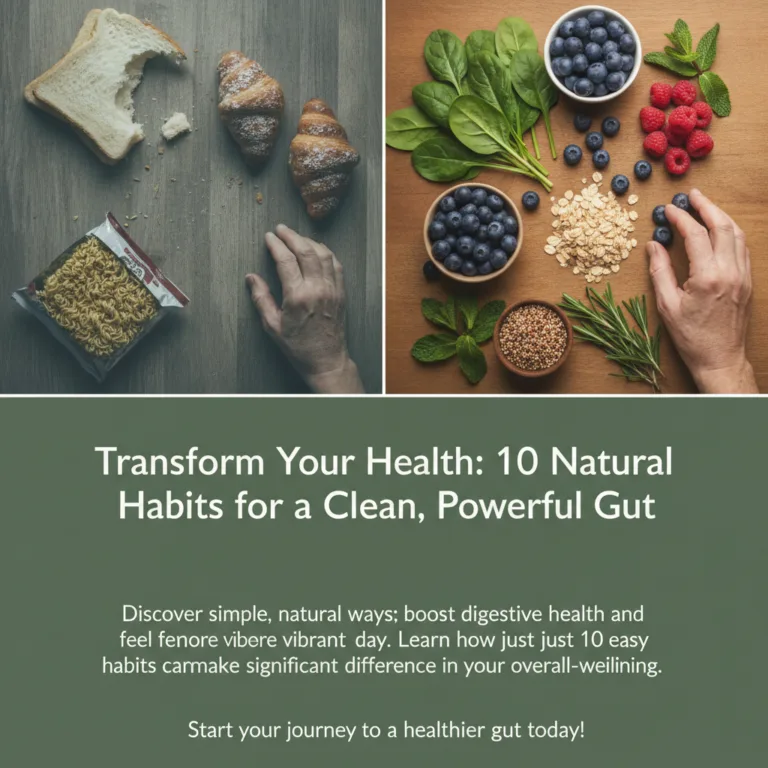
Fiber is your gut’s best friend! It acts like a broom, sweeping waste out of your system, and serves as food for beneficial gut bacteria. Incorporate plenty of fruits, vegetables, whole grains, nuts, and seeds into your diet.
3. Befriend Fermented Foods
Think kimchi, sauerkraut, yogurt (with live cultures), kefir, and kombucha. These foods are natural sources of probiotics – beneficial bacteria that can help replenish and diversify your gut microbiome, aiding digestion and immune function.
4. Prioritize Prebiotics
While probiotics introduce good bacteria, prebiotics feed them. Foods like garlic, onions, leeks, asparagus, bananas, and oats contain special fibers that nourish your existing healthy gut flora, helping them thrive.
5. Practice Mindful Eating
Slow down, savor your food, and chew thoroughly. Mindful eating reduces stress during meals, improves digestion, and helps your body signal when it’s full, preventing overeating which can strain your digestive system.
6. Manage Stress Effectively
Your gut and brain are intimately connected (the gut-brain axis!). Chronic stress can disrupt gut function, leading to issues like IBS. Incorporate stress-reducing practices like meditation, deep breathing, yoga, or simply spending time in nature.
7. Get Quality Sleep
Just like the rest of your body, your gut needs time to repair and rejuvenate. Lack of sleep can negatively impact your gut microbiome and gut barrier function. Aim for 7-9 hours of restful sleep each night.
8. Move Your Body Regularly
Regular physical activity isn’t just good for your muscles; it stimulates healthy bowel movements and can positively influence your gut microbiome. Even a daily walk can make a significant difference.
9. Limit Processed Foods and Added Sugars
These can feed harmful bacteria, promote inflammation, and disrupt the delicate balance of your gut flora. Focusing on whole, unprocessed foods naturally reduces your intake of these gut disruptors.
10. Explore Gut-Soothing Herbs
Certain herbs have been traditionally used to calm and support the digestive system. Ginger can ease nausea, peppermint may relieve bloating, and chamomile can soothe an upset stomach. Consider incorporating them into teas or meals.
Practical Guide to Integrating Gut-Healthy Habits
Starting a new wellness journey can feel overwhelming, but remember, small, consistent steps lead to lasting change. Here are some beginner-friendly tips:
- Start Small: Don’t try to change everything at once. Pick one or two habits to focus on each week.
- Hydration Hack: Keep a water bottle with you and sip throughout the day. Add a slice of lemon or cucumber for flavor.
- Fiber Boost: Add a handful of berries to your breakfast, a side salad to lunch, or lentils to your soup.
- Fermented Fun: Try a small serving of kimchi or sauerkraut with a meal, or swap your regular yogurt for a probiotic-rich variety.
- Mindful Moment: Before eating, take three deep breaths. Put your fork down between bites to encourage slower eating.
- Stress Less: Dedicate 10 minutes daily to a quiet activity you enjoy, whether it’s reading, listening to music, or gentle stretching.
Consistency is key! Even slight improvements each day can lead to significant changes in your gut health over time.
Safety & Precautions
While these natural habits are generally safe and beneficial, it’s always wise to listen to your body. If you have existing medical conditions, are pregnant or breastfeeding, or are taking medications, please consult with your healthcare professional before making significant dietary or lifestyle changes. Sudden increases in fiber can sometimes cause temporary bloating, so increase your intake gradually.
Key Takeaways
- Your gut health impacts your entire body, from digestion to mood and immunity.
- Hydration, fiber, and fermented foods are cornerstones of a healthy gut.
- Lifestyle factors like stress management, sleep, and movement play a crucial role.
- Limiting processed foods and added sugars helps maintain gut balance.
- Small, consistent changes can lead to profound improvements in your well-being.
FAQ
Q: How long does it take to see improvements in gut health?
A: Everyone is different, but many people begin to notice improvements in digestion and energy within a few weeks of consistently adopting gut-healthy habits. Significant changes to the microbiome can take a few months.
Q: Can probiotics cure digestive issues?
A: Probiotics can support a healthy gut microbiome and may help alleviate certain digestive discomforts, but they are not a cure-all. They work best as part of a holistic approach to gut health, including diet and lifestyle changes. Always consult a healthcare professional for persistent or severe digestive issues.
Q: Are all fermented foods equally beneficial?
A: Not all fermented foods contain the same types or quantities of beneficial bacteria. Look for products labeled