This homemade collagen powder recipe is a simple way to turn plain collagen peptides into an easy daily mix for coffee, smoothies, or oatmeal. Most collagen supplements sold in the U.S. are made from animal or fish sources, vitamin C helps the body make collagen, and the research on visible skin benefits is still mixed, so it is best to think of this as a supportive routine rather than a miracle fix.
If you want a version that tastes better than plain collagen and feels easier to use every day, this recipe keeps it simple. You will also find a quick buying guide, common mistakes to avoid, and a few smart shopping tips so you can compare ingredients, serving size, and price per serving before you buy.
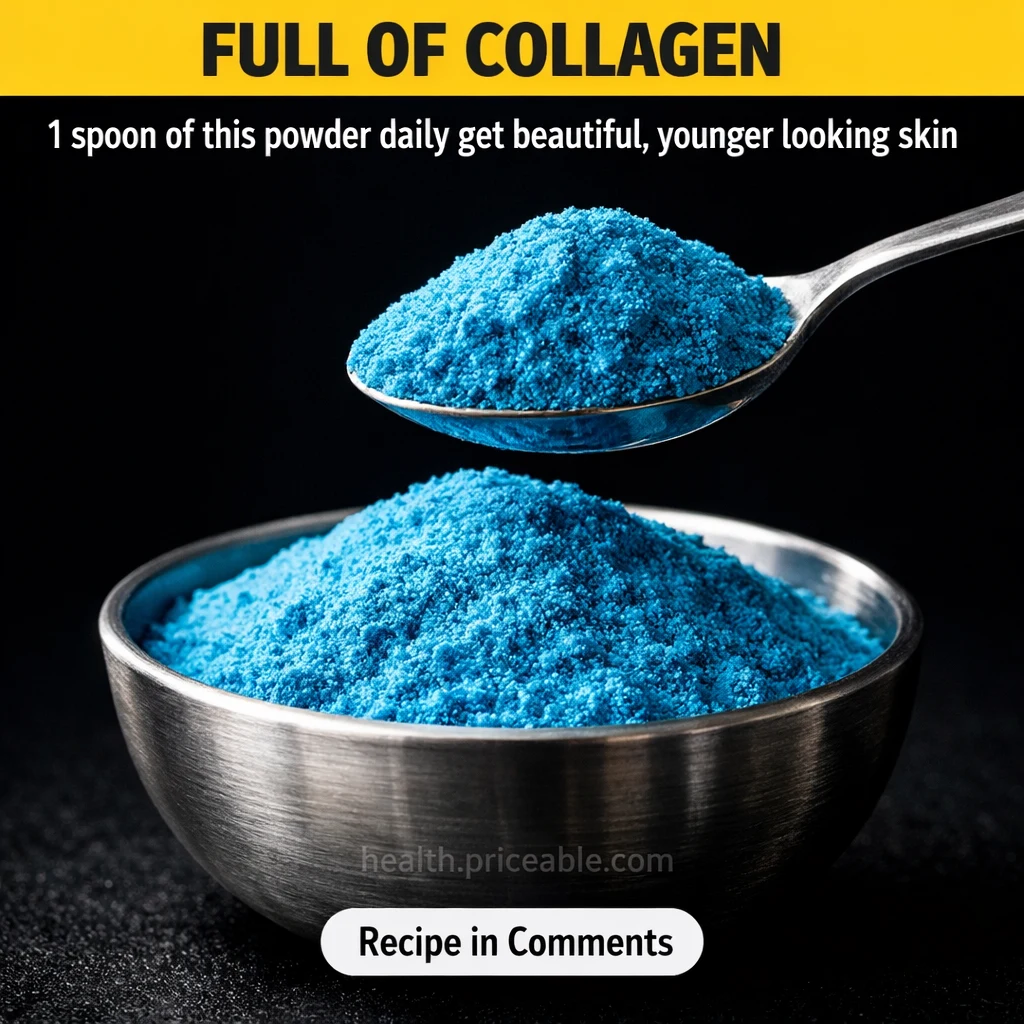
Homemade Collagen Powder Recipe
This blend is designed for convenience, not hype. It gives you a ready-to-scoop jar you can keep in the pantry.
Ingredients
-
1 cup unflavored collagen peptides
-
2 teaspoons blue spirulina powder
-
2 tablespoons freeze-dried strawberry powder or acerola cherry powder
-
2 tablespoons coconut milk powder
-
1 teaspoon vanilla powder
-
1/2 teaspoon ginger powder
-
pinch of fine sea salt
How to Make It
Add all ingredients to a dry mixing bowl or blender jar.
Whisk well or pulse for a few seconds until the color looks even and there are no clumps.
Transfer to a clean, airtight jar.
Store in a cool, dry place away from direct light.
How to Use It
Use 1 tablespoon daily.
Mix it into:
-
smoothies
-
yogurt
-
overnight oats
-
chia pudding
-
cold milk or a dairy-free drink
-
coffee that has cooled slightly
For the brightest blue color, use cold or room-temperature liquids when possible. Phycocyanin, the blue compound associated with spirulina, is sensitive to heat, light, and acidity, so very hot drinks can dull the color fast.
Why This Mix Works
Collagen supplements are commonly sold as hydrolyzed collagen or collagen peptides, and those peptides usually come from animal sources such as fish, cattle, pigs, or chicken. Blue spirulina is better thought of as the “blue add-in” in this recipe, while collagen peptides are the actual collagen component.
The fruit powder is there for more than flavor. Vitamin C is required for collagen biosynthesis, so pairing a collagen powder blend with a vitamin C-rich ingredient is a practical move.
Coconut milk powder, vanilla, ginger, and a pinch of salt help soften the plain protein taste that makes many unflavored collagen products hard to enjoy day after day. That matters because the best routine is usually the one you can actually stick with.
How Often to Take It
Most people who use collagen powder take it once a day because that is the easiest habit to keep.
You can take it in the morning with coffee, after breakfast in a smoothie, or at night in warm milk. The best option is the one you will actually stick with.
Commercial collagen powders often suggest daily amounts that vary quite a bit, and Cleveland Clinic notes that labeled doses can range from 2.5 to 15 grams a day depending on the product. Following the product label is smarter than guessing.
Common Mistakes and Easy Fixes
Adding too much blue spirulina
A little goes a long way.
Fix: Start with 2 teaspoons per batch. If you want a more vivid blue, increase slowly next time instead of dumping in more all at once.
Mixing it into boiling coffee
You may still get the collagen, but the bright color can fade fast.
Fix: Add it to iced drinks, smoothies, or coffee that has cooled a bit. Phycocyanin is not very heat-stable under typical conditions.
Buying flavored collagen for a DIY blend
This can make the finished mix overly sweet or oddly flavored.
Fix: Choose unflavored collagen peptides if you want a flexible mix for smoothies, yogurt, or oats.
Forgetting to check the source
Collagen is not one-size-fits-all. Marine, bovine, porcine, and chicken sources may matter for allergies, dietary preferences, and budget.
Fix: Read the front and back label before you buy.
Looking only at tub size
A big container is not always the best value.
Fix: Compare grams per serving, servings per container, ingredient quality, and price per serving instead of only looking at the package size.
Buying Guide: What to Look For Before You Buy
If your priority is a clean, easy daily mix, shop for the ingredients the same way you would shop for any supplement: with the label in mind first. FDA says dietary supplements are not approved before marketing for safety and effectiveness, so transparent labeling and independent quality checks matter.
What to look for in collagen peptides
-
unflavored hydrolyzed collagen or collagen peptides
-
clearly stated source, such as marine or bovine
-
grams per serving listed clearly
-
minimal fillers or sweeteners
-
third-party testing when possible
-
price per serving that fits your routine
What to look for in blue spirulina powder
-
ingredient line that clearly identifies spirulina extract or phycocyanin-based blue powder
-
no unnecessary artificial coloring if you want a more natural blend
-
third-party testing or contaminant screening
-
packaging that seals tightly and protects from moisture and light
This is especially important because blue-green algae products can vary in quality, and MedlinePlus notes that some products grown in natural settings may be contaminated by bacteria, heavy metals, or liver toxins.
For many shoppers, the best option is not the cheapest powder on the page. It is the one with a clean label, a source you are comfortable with, reasonable cost per serving, and a taste profile you will not get tired of after one week.
Safety Note
This recipe uses supplement ingredients, so it is smart to treat it like a supplement routine, not a casual pantry mix. FDA advises consumers to talk with a doctor, pharmacist, or other healthcare professional before using dietary supplements, especially if they are pregnant, breastfeeding, taking medications, or managing health conditions.
It is also important to check for food-source issues. Collagen peptides may come from fish, cattle, pigs, or chicken, and spirulina-based products should be purchased from brands that screen for contaminants.
If you are trying this blend for the first time, start with a smaller serving and stop if it does not agree with you.
FAQ
Is blue spirulina collagen powder the same as regular collagen powder?
No. Regular collagen powder is usually collagen peptides alone, while blue spirulina collagen powder is a blend. The blue color generally comes from spirulina-derived phycocyanin, not from collagen itself.
Can I use this blue spirulina collagen powder recipe every day?
Many people use collagen powders daily, but daily use should still follow the product label and your own tolerance. FDA recommends discussing supplement use with a healthcare professional if you have medication, allergy, pregnancy, or health-condition concerns.
Can I put it in hot coffee?
You can, but the color may not stay bright blue. Phycocyanin is sensitive to heat, so iced coffee or cooled coffee is usually the better choice if appearance matters to you.
What does blue spirulina collagen powder taste like?
Usually mild, slightly earthy, and much better when paired with vanilla, fruit powder, or a creamy base. That is why DIY blends often work better than taking plain powder by itself.
Is marine collagen better than bovine collagen?
Not automatically. Marine collagen may appeal to people who avoid beef, while bovine collagen is often easier to find and compare by price. The better pick depends on your budget, preferences, and any fish or beef allergy concerns.
What should I avoid when buying blue spirulina collagen powder?
Avoid vague labels, hidden source information, heavy sweetener loads, and products with no meaningful testing details. For spirulina products, contaminant screening matters. For collagen, source transparency matters.
Can I make this recipe without collagen peptides?
Yes, but then it is a blue spirulina wellness mix, not a collagen powder recipe. If collagen is your goal, collagen peptides need to be included.
How long does homemade blue spirulina collagen powder last?
A small airtight batch stored in a cool, dry pantry is best used within about 3 to 4 weeks for freshness, color, and flavor.
Final Thoughts
A good blue spirulina collagen powder recipe should be simple, realistic, and easy to use.
The smartest version is not the one making the biggest beauty promises. It is the one that clearly separates the collagen ingredient from the blue spirulina ingredient, uses a sensible serving size, and helps you build a routine you can actually keep.