In the vast world of online health and wellness, it’s easy to stumble upon food ‘facts’ that sound compelling but lack scientific backing. From the latest superfood claims to age-old dietary adages, separating genuine nutritional wisdom from catchy, unverified assertions can be a challenge. At Glowra Health, we believe in empowering your healthy eating journey with accurate, evidence-based information.
You’ve probably seen some of these food ‘facts’ online—but catchy claims aren’t always backed by evidence. This article dives into some common misconceptions surrounding popular fruits and vegetables, revealing their true benefits and helping you make informed choices for your well-being. Let’s explore the real story behind bananas, apples, cucumbers, and carrots, ensuring your healthy lifestyle is built on truth, not hype.
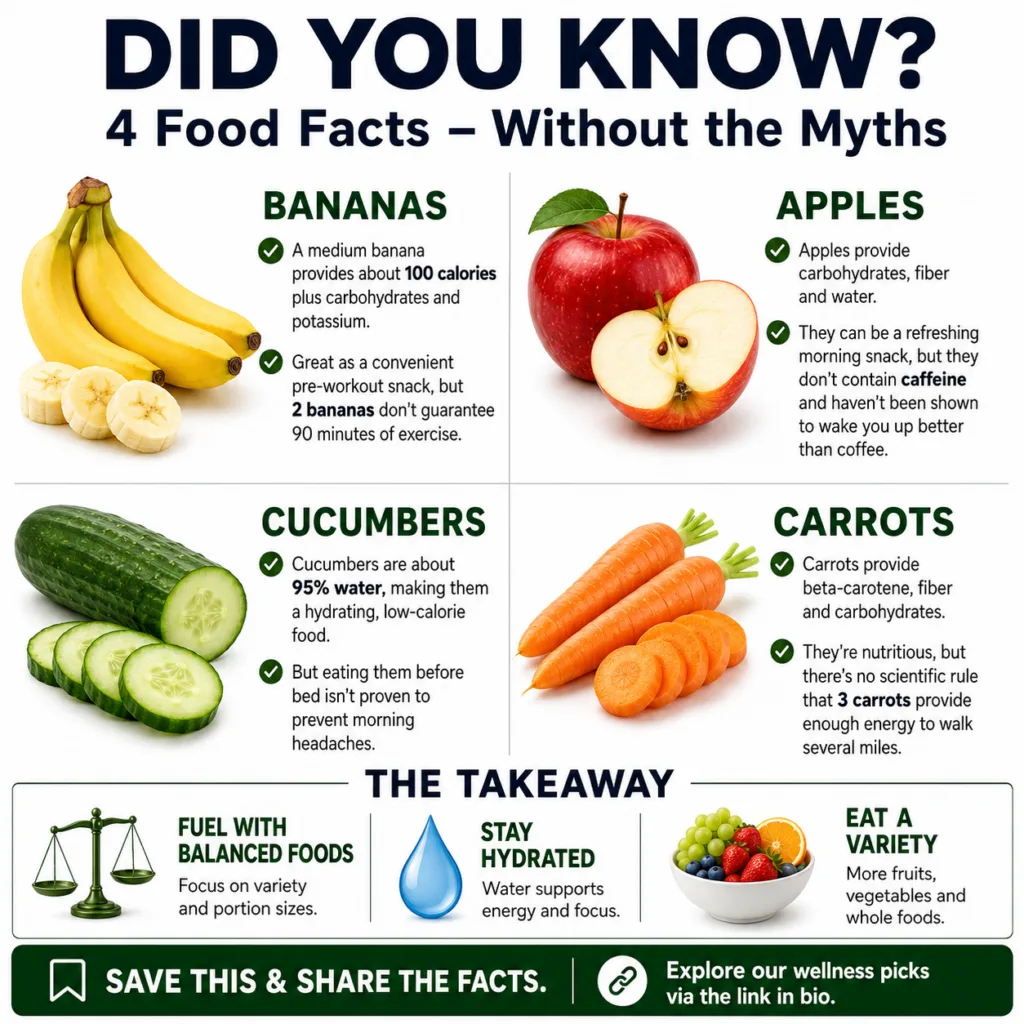
Bananas: Your Go-To for Energy and Workout Support
Bananas are often touted for various benefits, and while many are true, their primary strength lies in their role as an excellent source of carbohydrates, making them ideal for energy, especially around exercise. These easily digestible carbs provide quick fuel for your muscles, helping to power you through workouts and replenish glycogen stores afterward.
The Real Benefits of Bananas:
- Energy Boost: Rich in natural sugars (fructose, glucose, sucrose) and fiber, bananas provide sustained energy release, preventing sharp blood sugar spikes and crashes.
- Electrolyte Balance: They are a fantastic source of potassium, a vital electrolyte that aids in muscle function, nerve signals, and maintaining fluid balance in the body, which is crucial during and after physical activity.
- Digestive Health: The fiber content, particularly pectin (especially in riper bananas), supports healthy digestion and can help regulate bowel movements.
- Mood Support: Bananas contain tryptophan, an amino acid that the body converts into serotonin, a neurotransmitter known to promote feelings of well-being and happiness.
Instead of believing every bold claim, focus on integrating bananas into your diet as a convenient, nutrient-dense snack, especially when you need sustained energy for physical activity or a healthy pick-me-up.
Apples: More Than Just a Daily Doctor Repellent (and Not a Caffeine Substitute)
The saying ‘an apple a day keeps the doctor away’ highlights their general health benefits, but let’s be clear: while incredibly nutritious, an apple cannot replace a doctor’s visit or a cup of coffee! One common myth is that apples offer a caffeine-like boost. The truth is, any ‘energy’ felt after eating an apple comes from its natural sugars and fiber, which provide a gentle, sustained release of glucose into your bloodstream, not a stimulant effect.
What Apples Truly Offer:
- Rich in Fiber: Both soluble and insoluble fiber are abundant in apples. Soluble fiber helps lower cholesterol and glucose levels, while insoluble fiber aids in moving food through your digestive system, promoting regularity.
- Antioxidant Powerhouse: Apples are packed with antioxidants, particularly flavonoids, which help protect your cells from oxidative damage caused by free radicals, potentially reducing the risk of chronic diseases.
- Vitamins and Minerals: They provide a good dose of Vitamin C, important for immune function and skin health, along with small amounts of other essential vitamins and minerals.
- Hydration: With high water content, apples contribute to your daily fluid intake.
Enjoy apples as a crunchy, sweet, and satisfying snack that brings a wealth of health benefits, just don’t expect them to kickstart your morning like your espresso!
Cucumbers: The Ultimate Hydration Heroes
Cucumbers might seem simple, but their high water content makes them exceptional contributors to daily hydration, far beyond just adding crunch to your salad. Often overlooked, proper hydration is fundamental for every bodily function, from regulating body temperature to transporting nutrients.
The Hydrating Power of Cucumbers:
- Exceptional Water Content: Cucumbers are composed of about 95% water, making them one of the most hydrating foods you can eat. This helps to rehydrate your body, especially during hot weather or after exercise.
- Electrolytes: While not as rich as bananas, cucumbers contain small amounts of electrolytes like potassium, magnesium, and calcium, which are crucial for maintaining fluid balance and nerve function.
- Nutrient-Dense: Beyond water, cucumbers provide Vitamin K, which is essential for blood clotting and bone health, and Vitamin C, an important antioxidant.
- Skin Health: The hydrating properties and presence of antioxidants and silica (a trace mineral) may contribute to healthy skin.
Integrate sliced cucumbers into your water, add them to smoothies, or simply snack on them plain to effortlessly boost your hydration and enjoy a refreshing, low-calorie treat.
Carrots: A Visionary Source of Beta-Carotene
Carrots are famously associated with good eyesight, and this ‘fact’ actually has strong scientific backing, thanks to their exceptional concentration of beta-carotene. This vibrant pigment is a precursor to Vitamin A, a nutrient critical for healthy vision, immune function, and skin.
Why Carrots Are a Nutritional Powerhouse:
- Vitamin A Production: Beta-carotene is converted into Vitamin A (retinol) in the body. Vitamin A is essential for healthy vision, particularly in low light conditions, and plays a key role in the formation of rhodopsin, the pigment in the eye’s retina.
- Antioxidant Benefits: Beyond vision, beta-carotene is a powerful antioxidant, helping to neutralize free radicals and reduce oxidative stress throughout the body. This protective effect can support overall cellular health.
- Immune Support: Vitamin A is vital for maintaining the health of the skin and the mucous membranes, which are crucial components of the body’s immune defenses.
- Fiber for Digestion: Carrots also provide dietary fiber, aiding in digestion and contributing to a feeling of fullness, which can be beneficial for weight management.
Enjoy carrots raw, steamed, roasted, or in juices to harness their incredible beta-carotene content and support your overall health, especially your eyes.
Final Thoughts: Empowering Your Healthy Eating Journey
Navigating the world of nutrition requires a discerning eye, especially with the abundance of information available online. While it’s tempting to fall for catchy food facts, a deeper understanding of what foods truly offer empowers you to make sustainable and effective healthy choices. Bananas, apples, cucumbers, and carrots are undeniably healthy additions to any diet, each bringing unique and proven benefits. By focusing on their actual nutritional value, you can truly separate fact from fiction and cultivate a healthier, more informed approach to eating.
Remember, your journey to wellness is about understanding and appreciating the real power of food.
Internal Link Suggestions:
- Quick & Healthy Snack Ideas for Busy Lifestyles
- Understanding Macronutrients: Carbs, Proteins, and Fats Explained
- The Essential Guide to Hydration: Why Water Matters
- Boost Your Immunity: Top Foods for a Stronger Defense
External Sources:
- Mayo Clinic – Dietary fiber: Essential for a healthy diet
- National Institutes of Health (NIH)
- Harvard Health Publishing
- Cleveland Clinic – Health & Wellness
Medical Disclaimer:
The information provided in this article is for general informational purposes only and does not constitute medical advice. Always consult with a qualified healthcare professional before making any decisions about your health or diet. Individual results may vary.