Imagine stepping into your garden, where every plant and pathway whispers a story of comfort, permanence, and natural beauty. For many, the dream of a charming cottage retreat feels out of reach, especially when starting with a simpler home. Yet, the truth is, with thoughtful landscaping and smart exterior updates, any dwelling can be transformed into a personal haven. It’s not about grand budgets, but about understanding how plants and design elements work together to create an inviting, established feel. This guide will walk you through the “secret garden farm tricks” that turn a functional space into a flourishing, permanent oasis, making your home a true reflection of your gardening spirit.
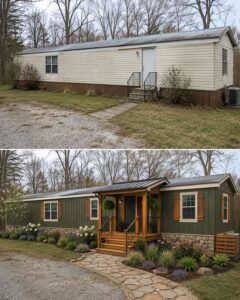
The Foundation of a Cottage Garden: Creating Permanent Charm
The magic of a cottage garden isn’t just in the flowers; it’s in the way the landscape integrates with and softens the structure of your home. The key principle is layering: building visual interest from the ground up, outward from the foundation, and vertically. This layering creates depth, seasonal interest, and a sense of permanence that truly anchors your home in its surroundings.
By thoughtfully choosing plants and applying basic design principles, you can visually expand your space, enhance curb appeal, and create a welcoming environment that feels established, no matter the starting point of your home. Let’s dive into the practical elements that make this transformation possible.
Strategic Plant Choices for Lasting Impact
To achieve that lush, inviting cottage look, focus on a diverse palette of plants that provide structure, color, and texture throughout the year. Here are the categories you’ll want to consider:
Evergreen Foundation Shrubs
These are the backbone of your landscaping, providing year-round structure and helping to visually anchor your home to the ground. They’re especially important for mobile homes, as they can elegantly conceal skirting and unify the structure with the garden.
- Common examples: Boxwood (Buxus sempervirens), Dwarf Holly (Ilex glabra ‘Shamrock’), Juniper (Juniperus spp.), Yew (Taxus spp.).
- Hardiness: Varies greatly by species, generally USDA Zones 4–9 for common varieties.
- Plant type: Woody shrub, evergreen.
- Exposure: Full sun to partial shade, depending on species.
- Height & Spread: Choose varieties that mature to a size appropriate for your space, typically 2–5 feet tall and wide for foundation plantings.
- Care Tip: Plant them far enough from the foundation to allow for mature growth and air circulation, typically 2-3 feet out. Mulch heavily to retain moisture and suppress weeds.
Vibrant Flowering Perennials and Annuals
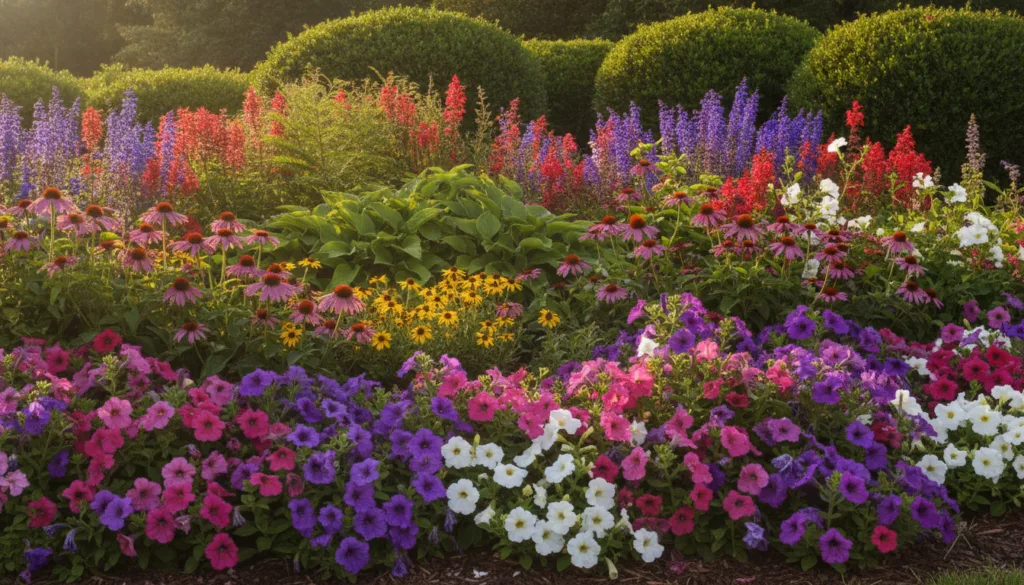
These plants provide the color, texture, and seasonal changes that bring a cottage garden to life. Perennials return year after year, while annuals offer continuous blooms for a single season.
- Common examples: Hostas (Hosta spp.) for shade, Daylilies (Hemerocallis spp.), Coneflowers (Echinacea purpurea), Lavender (Lavandula spp.), Salvia (Salvia nemorosa) for sun; Impatiens (Impatiens walleriana) for shade, Petunias (Petunia hybrida), Marigolds (Tagetes spp.), Zinnias (Zinnia elegans) for sun.
- Hardiness: Perennials vary widely (e.g., Lavender 5-9, Hosta 3-9). Annuals are typically grown for one season in all zones.
- Plant type: Herbaceous perennial or annual.
- Exposure: Specific to each plant, ranging from full sun (6+ hours) to full shade (less than 3 hours).
- Height & Spread: Highly variable, from low groundcovers to 3-4 foot tall specimens.
- Care Tip: Group plants with similar light and watering needs. Deadhead spent flowers regularly on annuals and many perennials to encourage continuous blooming.
Climbing Plants and Vines for Vertical Interest
Vines add an essential layer of romance and vertical appeal, softening harsh lines on walls, fences, or porch columns. They can transform a simple structure into a focal point.
- Common examples: Clematis (Clematis spp.), Climbing Roses (Rosa spp.), Honeysuckle (Lonicera periclymenum), Trumpet Vine (Campsis radicans – use with caution as it can be aggressive).
- Hardiness: Varies significantly; Clematis typically Zones 4–9, Climbing Roses 5–9.
- Plant type: Deciduous or evergreen vine.
- Exposure: Most prefer full sun for best flowering, but some tolerate partial shade.
- Height & Spread: Can grow 8 to 20+ feet, requiring support.
- Care Tip: Provide a sturdy trellis, arbor, or wire for support. Guide young tendrils as they grow. Prune annually to maintain shape and encourage blooming, according to the specific vine’s needs.
Small Ornamental Trees
These trees provide mid-level height, focal points, and often beautiful spring blossoms or fall foliage, helping to frame your home and create a sense of scale.
- Common examples: Japanese Maple (Acer palmatum), Dogwood (Cornus florida), Redbud (Cercis canadensis), Crabapple (Malus spp.).
- Hardiness: Generally USDA Zones 5–9, but specific ranges vary.
- Plant type: Deciduous tree.
- Exposure: Full sun to partial shade, depending on species.
- Height & Spread: Typically 10–25 feet tall and wide at maturity.
- Care Tip: Consider mature size carefully to ensure it doesn’t overpower your home or block essential light. Plant at least 10-15 feet from the house foundation.
Container Gardening & Hanging Baskets
Containers are versatile, allowing you to add splashes of color and seasonal interest to porches, steps, and patios. They’re perfect for experimenting with different plant combinations and can be moved as needed.
- Common examples: Geraniums (Pelargonium spp.), calibrachoa, fuchsias, coleus, herbs, small edibles.
- Hardiness: Often annuals in containers or tender perennials brought indoors for winter.
- Plant type: Annuals, perennials, small shrubs.
- Exposure: Depends on plant choice, but often full sun for flowering annuals.
- Care Tip: Use a high-quality potting mix with good drainage. Water frequently, as containers dry out faster than garden beds. Fertilize regularly during the growing season.
Designing Your Cottage Landscape: Beyond the Plants
While plants are central, the overall design and hardscaping elements play a crucial role in creating a cohesive cottage oasis.
Defining Pathways and Edges
A well-defined pathway invites visitors and provides structure. Gravel paths, brick, or stepping stones can all contribute to a rustic, charming feel. Edging your garden beds, whether with natural stone, brick, or a clean spade cut, creates a polished look and helps contain mulch and soil.
Soil Preparation and Drainage
Healthy soil is the foundation of a thriving garden. Before planting, consider a soil test to understand its composition and nutrient levels. Amend heavy clay soils with organic matter like compost to improve drainage and aeration. For sandy soils, compost helps improve water retention. Good drainage is paramount; plants in waterlogged soil will struggle.
Mulching for Health and Beauty
Applying a 2-3 inch layer of organic mulch (like shredded bark, wood chips, or pine straw) around your plants offers multiple benefits. It suppresses weeds, retains soil moisture, regulates soil temperature, and slowly breaks down to enrich the soil. It also gives your garden beds a tidy, finished appearance.
Common Gardening Mistakes to Avoid
Even experienced gardeners make mistakes. Here are some common pitfalls and how to steer clear of them:
- Overplanting: It’s tempting to fill every bare spot, but plants grow! Research mature sizes and give them adequate space for air circulation and growth. Overcrowding leads to poor health and increased pest/disease issues.
- “Right Plant, Wrong Place”: Don’t try to force a sun-loving plant into deep shade, or vice-versa. Observe your yard throughout the day and choose plants that match your specific light conditions, soil type, and USDA hardiness zone.
- Neglecting Soil Health: Your garden is only as good as its soil. Skipping soil amendments or testing can lead to frustrated efforts and struggling plants. Invest time in preparing your planting beds.
- Inconsistent Watering: Both overwatering and underwatering are detrimental. Learn to feel your soil; water when the top few inches are dry, and water deeply to encourage strong root growth.
- Ignoring Maintenance: A garden is a living thing. Regular weeding, pruning, and occasional fertilization keep it looking its best and prevent problems from escalating.
Regional Considerations and USDA Zones
The United States spans a vast range of climates, and successful gardening means understanding your local conditions. The USDA Plant Hardiness Zone Map is a crucial tool, indicating which perennial plants are likely to survive winter in your area based on average annual extreme minimum winter temperatures.
- Zones 3-5 (Northern US, higher elevations): Focus on cold-hardy varieties. Consider a shorter growing season for annuals and opt for early-blooming perennials.
- Zones 6-8 (Mid-Atlantic, parts of Midwest/West): A wide range of plants thrive here. Pay attention to summer heat and humidity, which can affect some plant choices.
- Zones 9-11 (Southern US, Pacific Coast): Enjoy a longer growing season. Many plants considered annuals elsewhere can be perennials here. Watch out for intense summer sun and drought conditions.
Always consult your local extension office or a reputable local nursery for advice tailored to your specific microclimate. They can offer insights on local soil conditions, common pests, and the best plant varieties for your area.
Cultivating Your Own Cottage Retreat
Transforming your home’s exterior into a cottage oasis is a deeply rewarding journey. It’s a continuous process of observation, learning, and nurturing that connects you more deeply to your home and the natural world. By implementing thoughtful design principles, selecting the right plants for your conditions, and committing to consistent care, you’ll create a garden that not only enhances your property but also enriches your life. Start small, enjoy the process, and watch as your vision blossoms into a charming, permanent sanctuary.