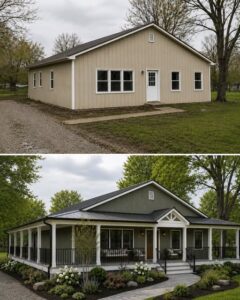
Imagine pulling into your driveway and being greeted by a home that feels warm, inviting, and truly yours. Often, the secret to this magnetic appeal lies not just in the architecture, but in how we dress our outdoor spaces. A well-designed porch, coupled with thoughtful, layered garden beds, has the power to transform even the simplest house into a charming country retreat, creating an irresistible welcome and enhancing your daily living. It’s about more than just planting; it’s about creating depth, texture, and year-round interest that complements your home’s unique character. This guide will walk you through the essential principles of designing such a garden, turning your vision into a living masterpiece.
The Art of Layered Gardening for Visual Depth
Layered gardening is a design technique that uses plants of varying heights, textures, and colors to create visual interest and a sense of depth in your garden beds. Instead of a flat, single-level planting, you build your garden in tiers, much like an amphitheater. Taller plants form the backdrop, mid-sized plants fill the middle ground, and shorter plants or groundcovers spill over the front edges. This not only makes the garden look fuller and more dynamic but also allows each plant to shine without being overshadowed.
When planning your layers, consider how the plants will look throughout the seasons. Aim for a mix of evergreens for winter structure, flowering perennials for seasonal color, and perhaps some annuals for continuous blooms. The goal is a cohesive tapestry that evolves gracefully from spring through fall, and still offers structure in winter.
Designing Your Welcoming Porch Garden
Your porch and the surrounding garden beds are often the first impression of your home. They should feel integrated, extending your living space outdoors. Start by considering the architectural style of your home. A country-style home often benefits from a more natural, informal planting scheme, perhaps with a touch of cottage garden charm.
For the porch itself, think about potted plants and hanging baskets that can add immediate color and soften hard edges. These can be rotated seasonally. The beds leading up to and framing the porch should then transition seamlessly from these container plantings, drawing the eye towards the entrance and making it feel like a natural extension of the home.
Choosing Your Plant Palette for Dynamic Layers
Selecting the right plants is crucial for creating successful layered beds. Here are some examples of plant types that work wonderfully in a multi-layered design, offering structure, color, and texture:
1. Structural Backbones: Shrubs and Evergreens
These are the foundation of your layered garden, providing year-round structure and a stable backdrop. They define the boundaries and give the garden its essential form.
- Dwarf Boxwood (Buxus sempervirens ‘Suffruticosa’)
Hardiness: USDA Zones 5-8
Plant type: Evergreen Shrub
Exposure: Full sun to partial shade
Height: 2-3 feet
Spread: 2-3 feet
Boxwoods are classic choices for their dense, fine-textured foliage and adaptability to pruning. They create neat, green mounds or low hedges that anchor the garden beds, offering a sophisticated frame for other plants. They appreciate well-draining soil and consistent moisture, especially during dry spells. - ‘Little Lime’ Panicle Hydrangea (Hydrangea paniculata ‘Little Lime’)
Hardiness: USDA Zones 3-8
Plant type: Deciduous Shrub
Exposure: Full sun to partial shade
Height: 3-5 feet
Spread: 3-5 feet
Known for its conical, lime-green flowers that mature to pink and then burgundy in fall, ‘Little Lime’ offers significant seasonal interest. It’s more sun-tolerant than Bigleaf Hydrangeas and provides excellent mid-layer structure and dramatic blooms. Prune in late winter or early spring to encourage robust flowering.
2. Mid-Level Magic: Perennials for Seasonal Interest
These plants fill the space between your structural evergreens and the front edge, providing bursts of color and interesting textures throughout the growing season.
- Meadow Sage (Salvia nemorosa ‘Caradonna’)
Hardiness: USDA Zones 4-9
Plant type: Perennial
Exposure: Full sun
Height: 18-24 inches
Spread: 18-24 inches
‘Caradonna’ Salvia offers striking dark purple flower spikes that bloom from late spring into summer. It’s a pollinator magnet, drought-tolerant once established, and provides excellent vertical accent in the mid-layer. Deadheading spent flowers can encourage a second flush of blooms. - Coral Bells (Heuchera spp.)
Hardiness: USDA Zones 4-9
Plant type: Perennial
Exposure: Partial shade to full shade (some cultivars tolerate sun)
Height: 12-18 inches (foliage); 18-30 inches (flower stalks)
Spread: 12-24 inches
Heuchera varieties are prized for their incredibly diverse foliage colors, ranging from lime green to deep burgundy, silver, and amber. They offer evergreen or semi-evergreen interest and delicate flower spikes. Ideal for adding continuous color and texture to the mid-to-foreground layer, especially in shadier spots near a porch. Ensure good drainage to prevent rot.
3. Foreground Flair: Groundcovers and Annuals
These are the finishing touches, softening edges, suppressing weeds, and providing continuous ground-level interest and vibrant pops of color.
- Stonecrop (Sedum spectabile ‘Autumn Joy’ or similar upright varieties)
Hardiness: USDA Zones 3-9
Plant type: Perennial
Exposure: Full sun
Height: 18-24 inches
Spread: 18-24 inches
Upright sedums offer fleshy, succulent leaves and distinctive flower heads that emerge green, turn pink, and deepen to rusty red in fall, providing late-season beauty. They are extremely drought-tolerant and low-maintenance. They create a strong foreground presence with interesting texture, even through winter. - Seasonal Annuals for Containers and Edges:
Hardiness: Typically grown as Annuals
Exposure: Varies (e.g., Petunias for sun, Impatiens for shade)
Height/Spread: Varies widely
For continuous, vibrant color, annuals like trailing Petunias, Calibrachoa, Lobelia, or colorful Coleus can be tucked into the very front of beds or used in pots and hanging baskets on the porch. These provide instant impact and can be refreshed each season, allowing for creative experimentation with color themes.
Essential Care for a Thriving Entryway
Once your beautiful layered garden is planted, consistent care ensures its long-term health and vibrancy:
- Soil Preparation: Most plants thrive in well-draining, organically rich soil. Before planting, amend heavy clay or sandy soils with compost to improve structure and fertility.
- Watering: Newly planted gardens need regular watering until established, usually for their first year. Test the soil moisture with your finger; if the top 1-2 inches feel dry, it’s time to water deeply. Established plants will have varying needs, but most appreciate consistent moisture without being waterlogged.
- Sunlight: Pay close attention to each plant’s sun requirements. ‘Full sun’ typically means 6+ hours of direct sun daily, while ‘partial shade’ means 3-6 hours, often with protection from intense afternoon sun.
- Spacing: Ensure adequate spacing between plants, referring to their mature spread. This promotes good air circulation, reduces disease risk, and allows each plant room to grow without competing excessively for resources.
- Pruning and Deadheading: Prune shrubs for shape and health, and deadhead spent flowers on perennials and annuals to encourage more blooms and a tidier appearance.
- Mulching: A 2-3 inch layer of organic mulch (like shredded bark or compost) helps retain soil moisture, suppress weeds, and regulate soil temperature.
Common Mistakes to Avoid
- Overplanting: It’s tempting to fill every space, but plants grow! Give them room. Overcrowding leads to poor air circulation, increased disease, and stunted growth.
- Ignoring Mature Size: Always check the mature height and spread of plants. A tiny seedling can quickly become a large shrub, overshadowing smaller plants or blocking pathways.
- Inconsistent Watering: Erratic watering (too much then too little) stresses plants. Aim for consistent moisture appropriate to the plant’s needs.
- Neglecting Soil Quality: Poor soil leads to poor plant health. Investing time in soil amendment before planting pays dividends.
- Lack of Winter Interest: Relying solely on summer annuals leaves your garden bare for half the year. Incorporate evergreens and plants with interesting bark or seed heads.
Adapting Your Garden to USDA Zones and Climate
The United States spans a wide range of climates, and your local USDA Hardiness Zone is a crucial guide, indicating the average annual minimum winter temperature. Plants listed as perennial within your zone will generally survive winter outdoors. However, this primarily reflects cold tolerance, not summer heat, rainfall, or humidity, which also vary greatly.
- Zones 3-5 (Northern US): Focus on cold-hardy varieties. Deciduous shrubs like Panicle Hydrangeas and tough perennials like Sedums and Salvias are excellent choices. Boxwoods will need to be particularly cold-tolerant cultivars or provided with winter protection.
- Zones 6-8 (Mid-Atlantic, Midwest, Pacific Northwest): This allows for a broad range of plant choices, including most Boxwoods, Hydrangeas, and a vast selection of perennials. Pay attention to summer heat and humidity, ensuring good air circulation.
- Zones 9-11 (Southern US, Coastal California, Florida): Many plants considered annuals elsewhere can be grown as perennials here. Choose heat-tolerant varieties. Boxwoods might struggle with intense heat and humidity, so consider native alternatives or more heat-tolerant evergreen shrubs. Ensure proper irrigation during dry spells.
Always consult your local extension service for region-specific advice, recommended plant lists, and accurate frost dates. Soil temperature, rather than just calendar date, is often a better indicator for spring planting.
Cultivate Your Own Welcoming Oasis
Creating a layered garden around your porch is more than just landscaping; it’s an act of nurturing that transforms your house into a cherished home. With careful planning, attention to plant needs, and a dash of creativity, you can design an entryway that not only boosts your home’s curb appeal but also provides a personal, tranquil haven for you and your family. Step by step, you’ll cultivate a landscape that tells your story and invites everyone to stay a while. Your picture-perfect home is just a few thoughtfully placed plants away!