Unlock Your Magnesium Power: Top Foods for Energy & Relaxation
Did you know magnesium plays a key role in energy production, muscle relaxation, and over 300 other vital bodily functions? It’s often called the ‘relaxation mineral’ for good reason! Many people don’t get enough of this essential nutrient, leading to potential issues with energy levels, sleep, and overall well-being. But don’t worry, boosting your magnesium intake can be both simple and delicious!
In this article, we’ll explore the incredible benefits of magnesium and highlight some of the most accessible and tasty foods you can add to your diet to ensure you’re getting enough of this powerful mineral. Get ready to nourish your body and feel your best!
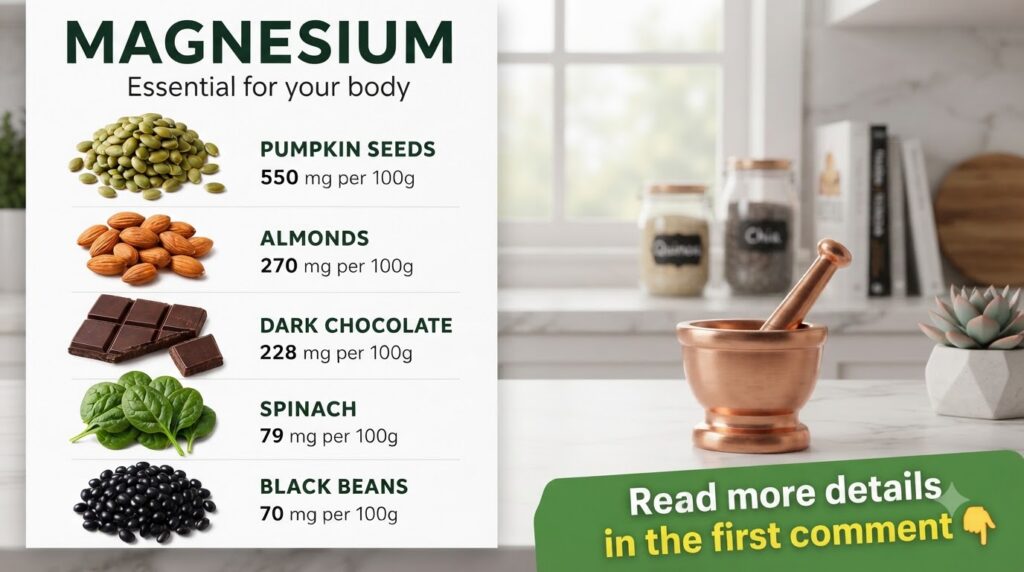
The Amazing Benefits of Magnesium
Magnesium is a true workhorse in your body. From helping your heart beat steadily to ensuring your muscles move smoothly, it’s involved in countless processes. Here are some of the key benefits:
- Energy Production: Magnesium is crucial for converting food into energy, helping you feel vibrant throughout the day.
- Muscle and Nerve Function: It helps muscles contract and relax properly and supports nerve signal transmission.
- Bone Health: Magnesium contributes to bone density, working alongside calcium and vitamin D to maintain strong bones.
- Blood Sugar Control: Research suggests magnesium may help regulate blood sugar levels, which is important for overall metabolic health.
- Blood Pressure Regulation: It can support healthy blood pressure, contributing to cardiovascular well-being.
- Stress Reduction & Sleep: Magnesium is known for its calming effects, helping to reduce stress and promote restful sleep.
- Protein Formation: It helps create new proteins from amino acids.
Top Foods High in Magnesium
Incorporating these nutrient-packed foods into your daily meals is a delicious way to meet your magnesium needs. Here’s a look at some of the best sources:
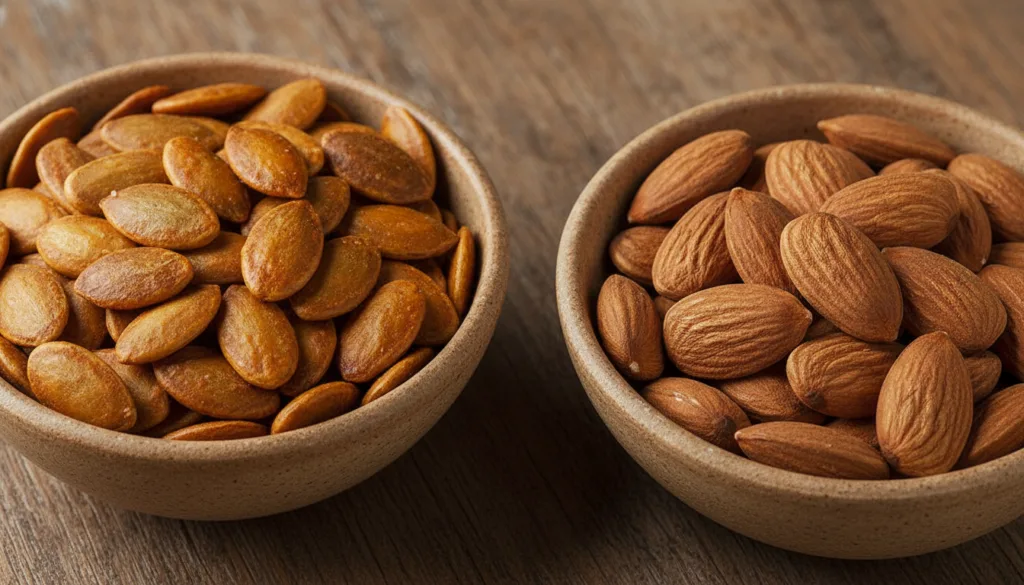
1. Pumpkin Seeds
These tiny powerhouses are among the best sources of magnesium. Just one ounce (about a quarter cup) provides a significant portion of your daily recommended intake.
- How to enjoy: Sprinkle them on salads, soups, oatmeal, or yogurt. They also make a fantastic crunchy snack on their own.
2. Almonds
Almonds are not only delicious but also packed with magnesium, healthy fats, and fiber. They’re a great snack to keep hunger at bay.
- How to enjoy: Grab a handful as a snack, add them to smoothies, or use sliced almonds in stir-fries and baked goods.
3. Dark Chocolate
Good news for chocolate lovers! Dark chocolate (at least 70% cocoa) is a surprisingly good source of magnesium, along with antioxidants and iron.
- How to enjoy: Enjoy a small square as a treat, melt it over fruit, or add cacao nibs to your morning smoothie or oatmeal.

4. Spinach
Leafy green vegetables like spinach are excellent sources of magnesium. Cooked spinach offers an even more concentrated dose.
- How to enjoy: Sauté it as a side dish, add it to omelets, smoothies, pasta sauces, or use it as a base for salads.
5. Black Beans
Legumes, including black beans, are fantastic plant-based sources of magnesium, fiber, and protein. They’re incredibly versatile and filling.
- How to enjoy: Incorporate them into tacos, burritos, soups, chili, or make a hearty black bean salad.
6. Avocado
Creamy and delicious, avocados are rich in healthy fats, potassium, B vitamins, and magnesium. They’re a fantastic addition to many meals.
- How to enjoy: Mash it for guacamole, slice it onto toast, add it to salads, or blend it into smoothies for extra creaminess.
7. Bananas
While known for potassium, bananas also provide a decent amount of magnesium, especially when ripe. They’re an easy, on-the-go snack.
- How to enjoy: Eat them plain, slice them into oatmeal or cereal, blend into smoothies, or make healthy banana bread.
8. Whole Grains (Oats, Brown Rice)
Many whole grains are good sources of magnesium. Oats and brown rice, in particular, offer a healthy dose of this mineral, along with fiber.
- How to enjoy: Start your day with oatmeal, choose brown rice instead of white rice, or opt for whole-grain breads and pastas.
Magnesium Content Comparison
Here’s a quick look at the approximate magnesium content in common serving sizes for some of these foods:
| Food | Serving Size | Approx. Magnesium (mg) | Main Benefit |
|---|---|---|---|
| Pumpkin Seeds | 1 oz (28g) | 150 mg | Energy, Bone Health |
| Almonds | 1 oz (28g) | 75 mg | Heart Health, Fiber |
| Dark Chocolate (70-85% cocoa) | 1 oz (28g) | 65 mg | Antioxidants, Mood |
| Cooked Spinach | 1/2 cup | 78 mg | Vitamins A & K |
| Black Beans (cooked) | 1/2 cup | 60 mg | Fiber, Protein |
| Avocado | 1 medium | 58 mg | Healthy Fats, Potassium |
| Banana | 1 medium | 32 mg | Potassium, Quick Energy |
*Daily Value for Magnesium is around 400-420 mg for adults, though it varies by age and gender.
Potential Risks and Who Should Eat More Magnesium
While magnesium deficiency is common, severe deficiency is rare and often linked to certain health conditions or medications. Symptoms of low magnesium can include muscle cramps, fatigue, weakness, and nausea. It’s always best to consult with a healthcare professional if you suspect a deficiency.
Certain groups may benefit from paying extra attention to their magnesium intake:
- Athletes: Magnesium helps with muscle function and recovery, and strenuous exercise can deplete levels.
- Older Adults: Magnesium absorption may decrease with age.
- Individuals with certain chronic conditions: Such as Type 2 diabetes or digestive issues.
- Those on specific medications: Some medications can affect magnesium levels.
Practical Tips for Boosting Magnesium

Making magnesium a priority in your diet doesn’t have to be complicated. Here are some easy tips:
- Snack Smart: Keep a bag of mixed nuts and seeds (almonds, pumpkin seeds, cashews) handy for quick, nutritious snacks.
- Green Your Meals: Add a handful of spinach or kale to almost anything — smoothies, eggs, pasta, or sandwiches.
- Embrace Legumes: Make beans, lentils, and chickpeas a regular part of your meals. They’re inexpensive and versatile.
- Choose Whole Grains: Opt for whole grains like brown rice, quinoa, and oats over refined grains.
- Enjoy Dark Chocolate: Treat yourself to a small piece of high-quality dark chocolate (70% cocoa or higher) for a magnesium boost and a delightful treat.
- Hydrate with Mineral Water: Some mineral waters contain magnesium; check the label!
FAQs About Magnesium-Rich Foods
Q: What are the best plant-based sources of magnesium?
A: Excellent plant-based sources include leafy green vegetables (spinach, kale), nuts (almonds, cashews), seeds (pumpkin, chia, flax), legumes (black beans, lentils), whole grains (oats, quinoa, brown rice), and avocados.
Q: Can I get enough magnesium from diet alone?
A: Yes, it’s absolutely possible to get enough magnesium from a balanced diet rich in whole foods. Focusing on a variety of the foods mentioned in this article can help you meet your daily requirements.
Q: Is it possible to have too much magnesium?
A: It’s very rare to get too much magnesium from food sources alone, as your kidneys typically excrete any excess. However, high doses from supplements can lead to side effects like diarrhea or nausea. Always consult a healthcare professional before taking supplements.
Q: Does cooking reduce magnesium content in foods?
A: Some magnesium can be lost during cooking, especially if boiled in large amounts of water, as it can leach into the water. Steaming, roasting, or sautéing tend to preserve more nutrients. Eating raw options like spinach in salads or smoothies also helps.
Q: How quickly will I feel the benefits of increased magnesium?
A: The timeline can vary for each individual. Some people might notice improvements in sleep or muscle function within a few days or weeks, while for others, it may take longer. Consistency is key.
Q: What is the recommended daily intake of magnesium?
A: For adult women, it’s typically around 310-320 mg per day, and for adult men, it’s around 400-420 mg per day. These recommendations can vary slightly based on age, pregnancy, and other factors. It’s always best to check official health guidelines or consult a professional.
Conclusion
Magnesium is an undeniable superstar nutrient, vital for everything from your energy levels to a good night’s sleep. By consciously adding more magnesium-rich foods like pumpkin seeds, almonds, dark chocolate, spinach, and black beans to your plate, you can support your body’s overall health and vitality.
Making small, consistent changes to your diet can lead to big benefits. So, which magnesium-rich food will you try first? Start experimenting and enjoy the delicious journey to better health!
This content is for educational purposes only and should not be considered medical advice. Consult a qualified healthcare professional for personalized dietary recommendations.
Explore More Healthy Food Content:
- High Protein Breakfast Ideas
- Healthy Smoothie Recipes
- Best Foods for Gut Health
- Anti-Inflammatory Foods You Need to Eat