Did you know that a simple bottle of white vinegar, often overlooked in your pantry, holds incredible secrets for transforming your everyday cooking? Far beyond just a cleaning agent, this affordable and natural ingredient is a true kitchen hero, especially for those embracing vegan recipes and plant-based nutrition.
From making incredible dressings and marinades to even improving your baking, white vinegar can tenderize, preserve, and enhance flavors in ways you might not expect. Let’s dive into the versatility of this pantry staple and unlock its household magic!
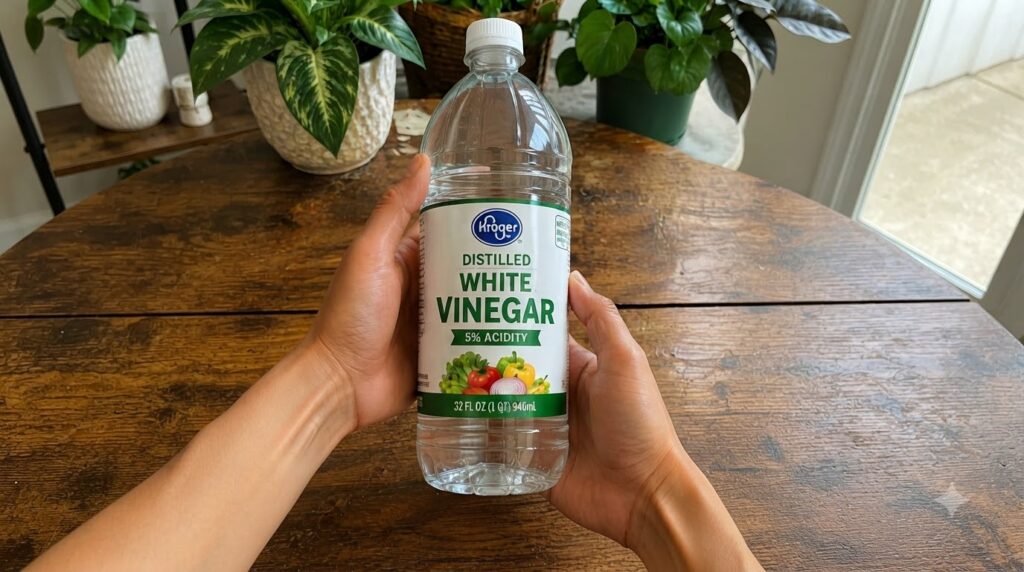
Elevate Flavors in Dressings and Marinades
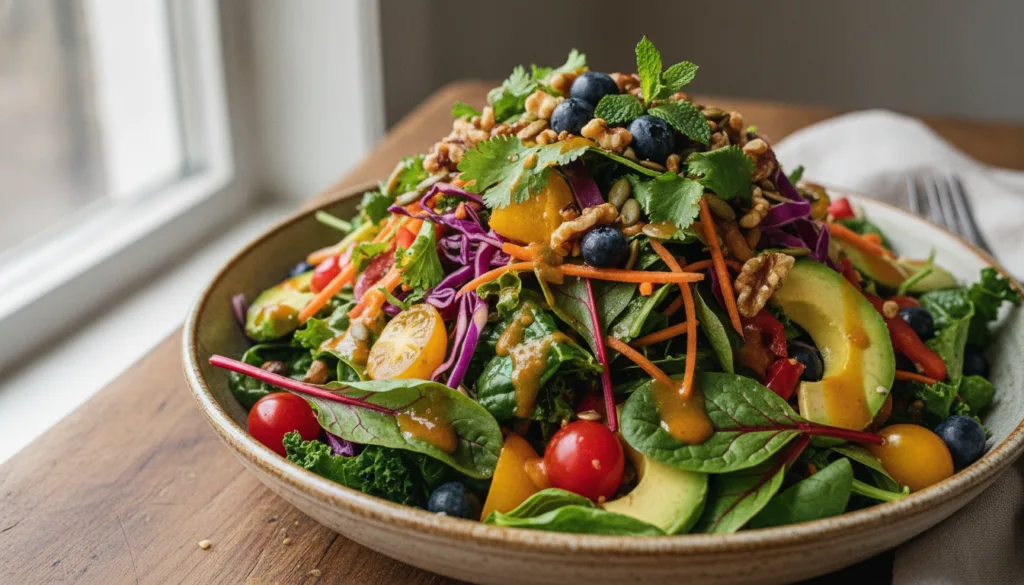
White vinegar’s mild acidity makes it a fantastic base for vegan dressings and marinades. It brightens flavors, adding a zesty kick to salads and plant-based dishes. More than just taste, the acetic acid in white vinegar also acts as a natural tenderizer for plant proteins like tofu or tempeh, helping them absorb flavors more deeply and achieve a more pleasant texture. This is a game-changer for your meal prep, ensuring every bite is infused with deliciousness.
DIY Vinaigrette Base
- Combine white vinegar with olive oil, Dijon mustard, a touch of maple syrup, and your favorite herbs for a simple yet vibrant dressing.
- Use it to marinate chopped vegetables before roasting for an extra layer of flavor.
A Secret Weapon in Vegan Baking
Surprise! White vinegar can play a crucial role in vegan baking. When combined with baking soda (sodium bicarbonate), it creates a chemical reaction that produces carbon dioxide gas. This gas helps leaven baked goods, resulting in light, fluffy textures without the need for eggs or dairy. It can also help balance flavors and activate other leavening agents.
Baking Applications
- Add a teaspoon of white vinegar to your vegan cake or muffin batter to boost rise and tenderness.
- Use it in recipes for scones or biscuits for a delicate crumb.
Natural Food Preservation and Cleaning
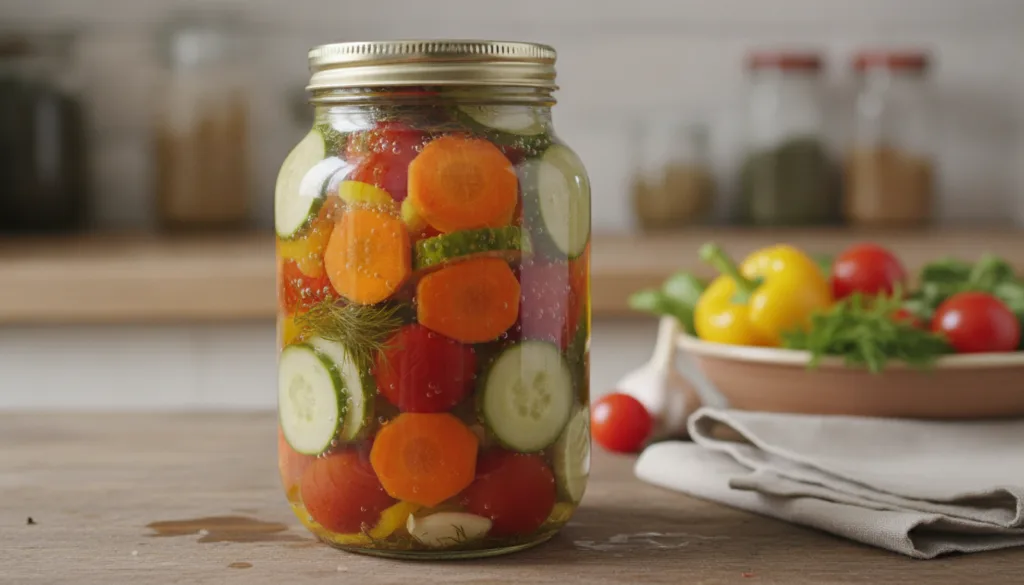
Beyond active cooking, white vinegar is excellent for food preservation. Its acidic nature inhibits the growth of bacteria and mold, making it a key ingredient in pickling and canning. You can also use a diluted white vinegar solution to wash fresh produce, helping to remove dirt and surface contaminants without harsh chemicals.
Preservation and Cleaning Uses
- Create quick pickles with cucumbers, onions, or carrots by submerging them in a hot mixture of white vinegar, water, sugar, and salt.
- Spray a diluted vinegar solution on fruits and vegetables, then rinse thoroughly, for a natural clean.
The Science Behind the Magic
So, what makes white vinegar so powerful? It’s primarily due to acetic acid, which typically constitutes 5-8% of its composition. Acetic acid is a weak acid that reacts with alkaline substances, breaks down proteins, and creates an environment unfavorable for many microorganisms. This scientific basis explains its effectiveness in everything from tenderizing to preserving.
Embrace White Vinegar in Your Vegan Kitchen
As you can see, white vinegar is much more than just a pantry filler. It’s an incredibly versatile, natural, and affordable ingredient that can significantly enhance your vegan cooking. Whether you’re crafting a new plant-based meal, getting ahead with meal prep, or experimenting with new vegan recipes, reach for that bottle of white vinegar and unlock its household magic!