Some herbal remedies look delicate, almost ornamental, yet carry a long traditional reputation for emotional comfort.
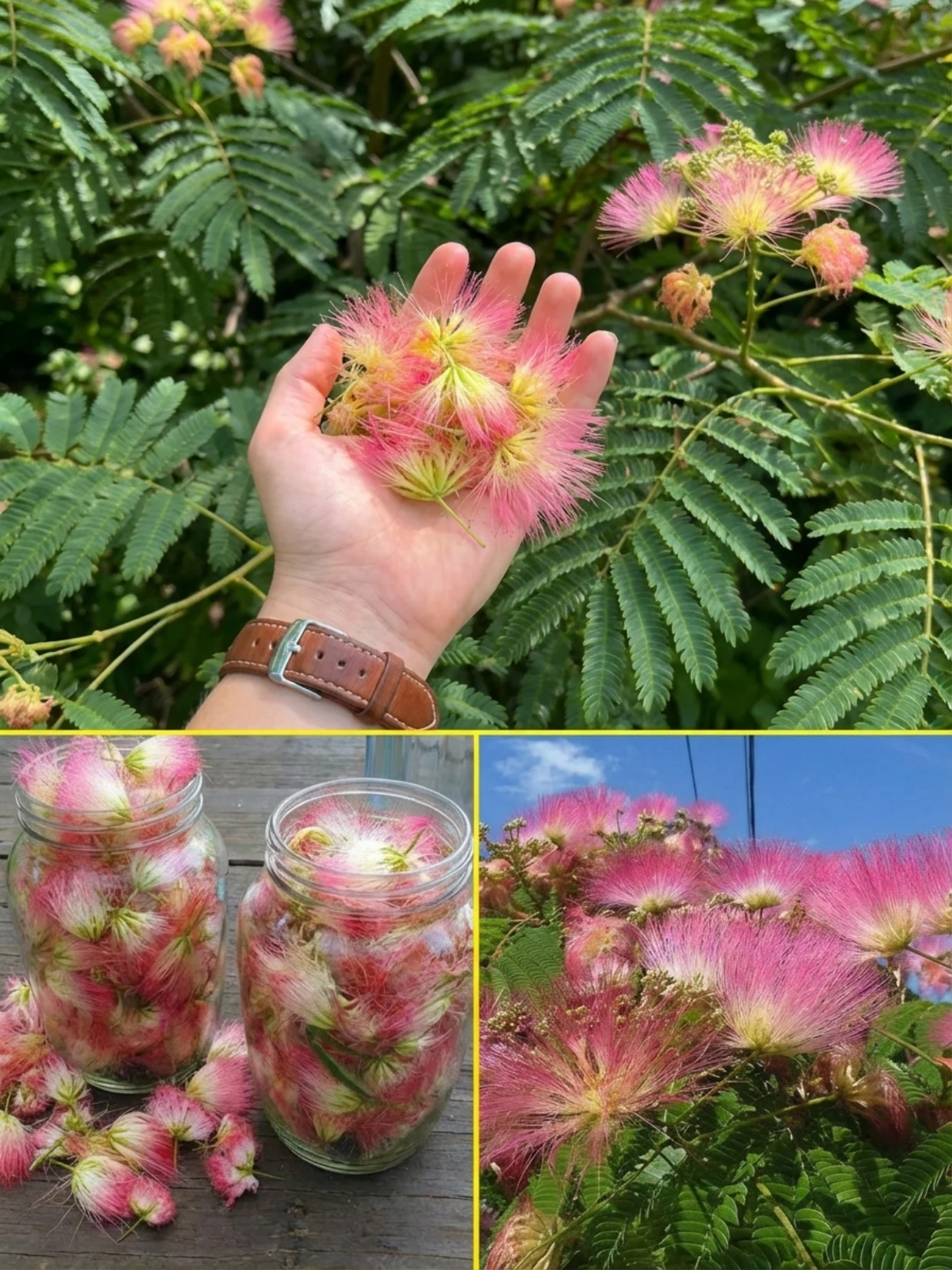
Silk tree flower tea, often associated with Albizia julibrissin in East Asian herbal practice, is one of those calming herbal preparations people often overlook. Traditionally, the flower has been used for emotional tension, restlessness, and sleep support, and modern reviews note that the plant contains flavonoids, saponins, lignans, and other bioactive compounds that help explain why it continues to attract scientific interest. (ScienceDirect)
Most people are surprised by this remedy because it feels so light and simple. Yet that is exactly what makes it appealing. It fits naturally into an evening routine when the body feels tired but the mind still feels overstimulated.
What This Herb May Do Inside the Body
In traditional herbal systems, silk tree flower is commonly linked with calming the mind and easing emotional heaviness. A comparison review of Hehuan flower and Hehuan bark notes that the flower is traditionally associated with calming the nerves, improving sleep, and supporting mood-related balance.
Modern pharmacology reviews also describe Albizia julibrissin as a plant rich in phytochemicals, including flavonoids, saponins, alkaloids, and phenolic compounds. These compounds are being studied for antioxidant, anti-inflammatory, neuroprotective, and mood-related effects, although much of the evidence is still based on laboratory and animal research rather than large human trials. (MDPI)
That distinction matters. This herb may be a comforting part of a wellness routine, but it should not be presented as a proven treatment for anxiety, depression, or insomnia.
Simple Preparation Method
A basic tea is the easiest traditional-style way to use silk tree flowers.
Ingredients
- 1 to 2 teaspoons dried silk tree flowers, or a small handful of fresh, properly identified flowers
- 1 to 1½ cups hot water
How to Prepare
Place the flowers in a cup or teapot.
Pour hot water over them and cover the cup to keep the aromatic compounds from escaping too quickly.
Let the flowers steep for about 8 to 10 minutes.
Strain and drink warm.
If using fresh flowers, rinse them gently first and remove any damaged parts. For a milder tea, use less herb or a slightly shorter steeping time.
When to Drink It
This herb is usually best suited to the late afternoon or evening.
A warm cup may feel especially welcome:
- Before bed as part of a calming nighttime routine
- After a stressful day when the mind feels busy
- During periods of emotional restlessness when caffeine would make things worse
A practical starting point is one small cup. Gentle, consistent use tends to make more sense than taking strong amounts.
Why It Works: Tradition and Science Together
This remedy becomes more interesting when traditional use and modern plant chemistry start to overlap.
Traditional herbal perspective
For generations, silk tree flower has been valued in East Asian practice as a soothing herb for mood and sleep support. The traditional reputation centers on emotional easing rather than harsh stimulation, which is why it is often described as a balancing herb rather than a dramatic one.
Modern science perspective
A review on depression-related research involving Albizia julibrissin discusses preclinical and some clinical work suggesting possible mood-supportive mechanisms, while another updated review highlights a broad pharmacological spectrum tied to the plant’s compounds.
Older ethnopharmacology research specifically reported sedative activity from flavonol glycosides isolated from the flowers, including quercitrin and isoquercitrin. That does not prove tea made at home will produce the same effect, but it supports the long-standing traditional use of the flower as a calming herb. (Europe PMC)
A realistic expectation
The most noticeable benefit for many people may simply be the ritual itself. A warm, caffeine-free herbal tea in the evening can help signal the body to slow down. Any broader effect from the herb itself is likely to be subtle and gradual, not dramatic.
Who May Benefit Most
Silk tree flower tea may appeal most to people who:
- Want a caffeine-free evening tea
- Prefer gentle herbal routines over stronger formulas
- Feel mentally overstimulated at night
- Enjoy traditional East Asian wellness practices
It is especially suitable for those looking for a calming ritual rather than a quick-fix remedy.
Safety Notes and Who Should Avoid It
This part matters just as much as the preparation.
Herbal products are not standardized in the same way as prescription medicines, and quality, potency, and safety can vary widely. Memorial Sloan Kettering notes that herbs and botanicals can have adverse effects or interactions, and careful evaluation is important, especially for people with medical conditions or those taking medications. (mskcc.org)
Use caution if you are:
- Pregnant or breastfeeding
- Taking prescription medicines, especially sedatives or psychiatric medications
- Managing chronic sleep, mood, or medical conditions
- Unsure about the exact plant identification
Do not forage ornamental flowers casually and assume they are safe. Correct identification is essential.
When You May Notice a Difference
Some people may feel more relaxed the same evening, mainly because of the warm, non-caffeinated tea ritual.
Any broader benefit for sleep quality or emotional steadiness would be expected to take days to a few weeks, and even then the effect may be mild. Persistent insomnia, anxiety, or low mood should be assessed by a qualified healthcare professional rather than self-treated with herbs alone. (PubMed)
Final Takeaway
Silk tree flower tea is a gentle herbal remedy rooted in traditional use for emotional comfort and sleep support. Its reputation is supported by interesting plant chemistry and early research, but it is best approached as a calming wellness tea, not a medical cure. (ScienceDirect)
Used carefully, it can be a simple and soothing addition to an evening routine when the goal is to unwind, settle the mind, and create a softer transition into rest.