There’s nothing quite as satisfying as seeing your garden thrive, with vibrant flowers blooming and fresh vegetables ripening. But every gardener knows the disheartening sight of a plant struggling, its leaves munched, or its growth stunted. Often, the culprits are tiny invaders – garden pests. The good news? Early identification is your most powerful tool in keeping your green space healthy and happy!
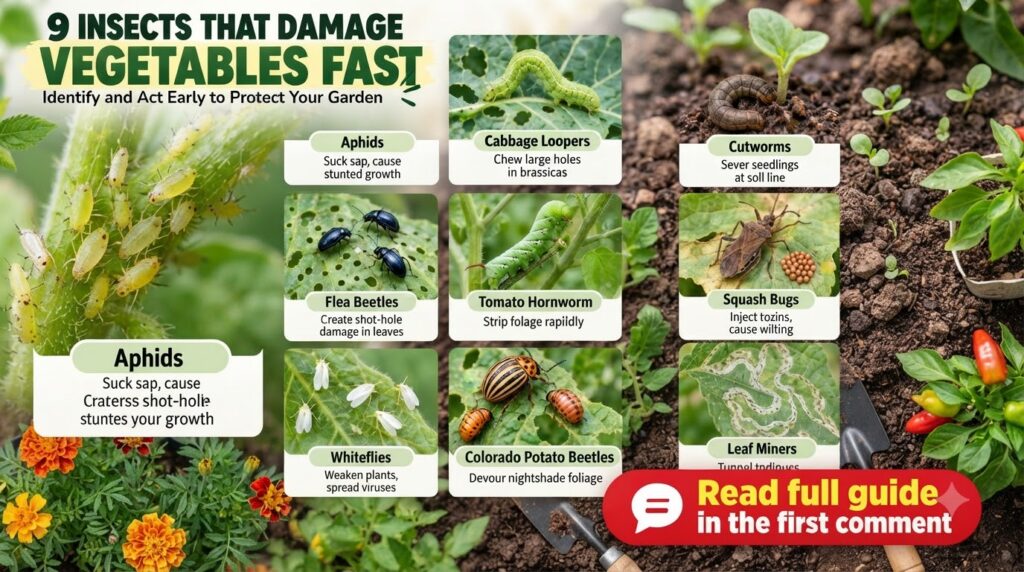
Why Early Pest Identification Matters So Much
Many gardeners face the pain point of plants dying or struggling, and pests are often a major factor. Waiting too long to address a pest problem can lead to widespread damage, making recovery much harder. Early detection allows you to:
- Prevent Widespread Damage: Catching a few pests early can stop them from multiplying and destroying your entire crop or flower bed.
- Use Gentler Methods: Smaller infestations are often manageable with organic and non-chemical solutions like hand-picking or insecticidal soap, preserving your garden’s ecosystem.
- Save Your Plants: Healthy plants are more resilient. The sooner you intervene, the better chance your plants have of bouncing back.
- Maintain Garden Health: A balanced garden ecosystem is naturally more resistant to pests. Early intervention helps maintain that balance.
Common Signs of Trouble: What to Look For
Your plants often tell you when something is wrong. Knowing these signs is the first step to fast identification:
- Holes in Leaves or Fruit: This is a classic sign of chewing insects. Look for jagged edges or clean-cut holes.
- Yellowing or Stunted Growth: Pests that suck sap can deplete a plant’s nutrients, leading to discoloration, wilting, or slowed development.
- Sticky Residue (Honeydew): Aphids and other sap-sucking insects excrete a sugary substance called honeydew, which can lead to sooty mold.
- Webbing: Fine webbing, especially on the undersides of leaves or in crevices, is a tell-tale sign of spider mites.
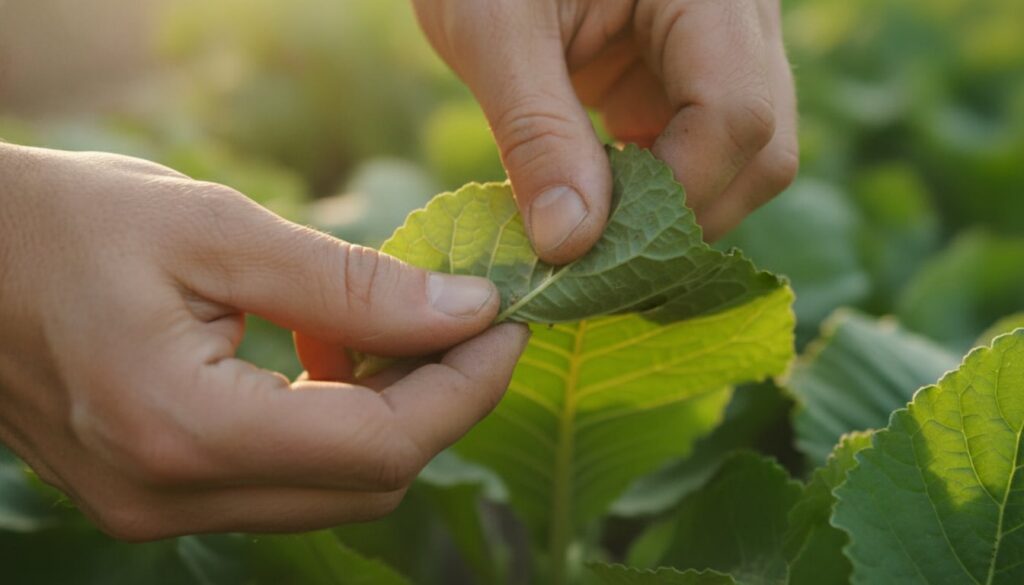
- Visible Insects: Sometimes, the simplest way to identify a pest is to see it! Check the undersides of leaves, stems, and new growth.
- Deformed Leaves or Flowers: Pests can cause leaves to curl, crinkle, or become distorted.
Meet the Culprits: Common Garden Pests and How to Spot Them
Let’s look at some of the most common pests you might encounter in your vegetable garden:
1. Aphids
- Appearance: Small, pear-shaped insects (green, black, red, yellow, or brown) often found in clusters on new growth or undersides of leaves.
- Damage: Suck sap, causing leaves to curl, yellow, or become distorted. They also excrete sticky honeydew.
- Quick Tip: Look for shiny, sticky residue on leaves and ants, which are attracted to honeydew.
2. Cabbage Loopers
- Appearance: Green caterpillars that

