Did you know that a tiny mineral like zinc can have a huge impact on your overall health and vitality? It’s true! Zinc is an unsung hero, playing crucial roles in countless bodily functions, from supporting your immune system to maintaining hormone balance and even enhancing male vitality. If you’re looking for natural ways to boost your health and feel more vibrant, paying attention to your zinc intake is a fantastic place to start.
In this article, we’ll dive deep into the world of zinc. You’ll learn why this mineral is so important, discover which delicious foods are packed with it, and get practical tips for incorporating more zinc into your daily meals. Get ready to unlock a new level of vitality!
The Many Benefits of Zinc for Your Health
Zinc is an essential mineral, meaning your body can’t produce it on its own. You have to get it from your diet. Its widespread importance stems from its involvement in over 300 enzymatic reactions, affecting nearly every system in your body. Here are some of its primary benefits:
Immune System Support
- Fights Infections: Zinc is critical for the development and function of immune cells. It helps your body fight off invading bacteria and viruses.
- Reduces Illness Duration: Research suggests that adequate zinc intake may help shorten the duration and severity of the common cold.
Enhances Male Vitality
- Testosterone Production: Zinc plays a key role in regulating testosterone levels, which are vital for male reproductive health, energy, and muscle mass.
- Sperm Quality: It contributes to healthy sperm production and motility, crucial for fertility.
Supports Skin Health and Wound Healing
- Cell Regeneration: Zinc is essential for cell growth and repair, making it important for healthy skin.
- Acne Management: Its anti-inflammatory properties may help reduce symptoms of acne.
- Faster Healing: It helps wounds heal more efficiently by supporting collagen synthesis.
Other Important Roles
- Antioxidant Properties: Zinc acts as an antioxidant, helping to protect cells from damage caused by free radicals.
- Cognitive Function: It’s involved in neurotransmitter function and may play a role in memory and learning.
- Taste and Smell: Zinc is crucial for maintaining your sense of taste and smell.
How Much Zinc Do You Need?
The Recommended Dietary Allowance (RDA) for zinc varies by age and sex. For most adults, the general guidelines are:
- Adult Men: 11 mg per day
- Adult Women: 8 mg per day
- Pregnant Women: 11 mg per day
- Lactating Women: 12 mg per day
It’s important to aim for these amounts consistently through your diet. While supplements are available, getting your nutrients from whole foods is always the best approach.
Scientific Explanation: Zinc’s Mechanism of Action
At a cellular level, zinc acts as a cofactor for enzymes, meaning it helps activate them to perform their functions. It plays a role in:
- DNA Synthesis: Zinc is necessary for cell division and growth.
- Protein Synthesis: It helps the body make proteins, essential for building and repairing tissues.
- Gene Expression: It influences how genes are turned on or off, impacting various cellular processes.
- Membrane Stability: Zinc helps stabilize cell membranes, protecting them from damage.
These fundamental roles explain why zinc impacts so many different aspects of health, from immune responses to reproductive functions and beyond.
Best Ways to Eat Your Zinc: Top Food Sources
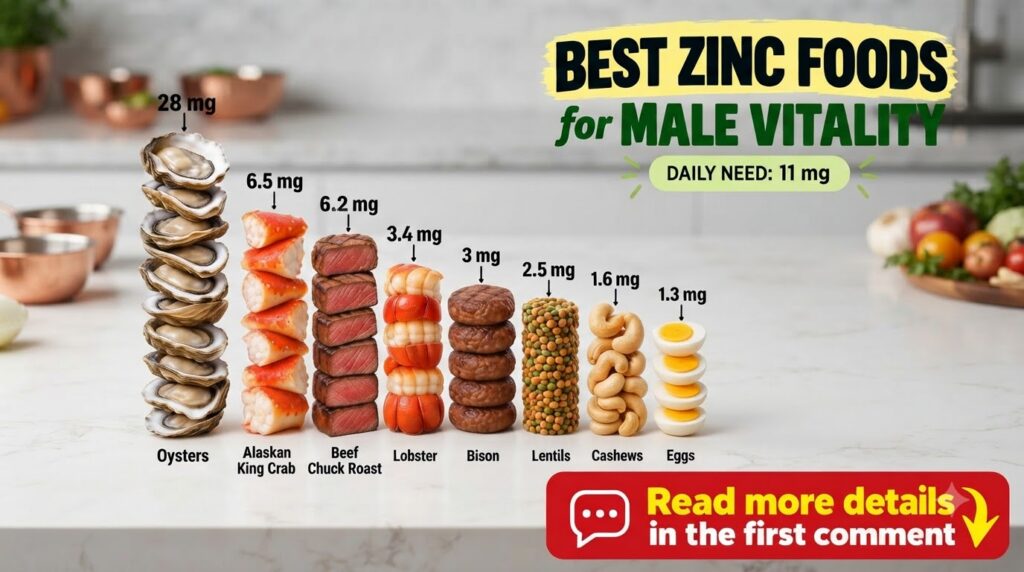
Incorporating zinc-rich foods into your diet is simpler than you might think. Here are some of the best sources:
| Food | Calories (approx.) | Protein (g) | Carbs (g) | Fat (g) | Fiber (g) | Main Nutrients | Best Benefit |
|---|---|---|---|---|---|---|---|
| Oysters (3 oz) | 69 | 8 | 4 | 2 | 0 | Zinc (up to 74 mg), B12 | Highest zinc content |
| Beef (3 oz, chuck roast) | 220 | 22 | 0 | 14 | 0 | Zinc (7 mg), Iron, B12 | Excellent protein source |
| Crab (3 oz, Alaskan King) | 82 | 16 | 0 | 1 | 0 | Zinc (6.5 mg), Selenium | Lean protein, good zinc |
| Pumpkin Seeds (1 oz) | 163 | 7 | 4 | 14 | 1.7 | Zinc (2.2 mg), Magnesium | Plant-based source |
| Cashews (1 oz) | 160 | 4 | 9 | 13 | 1 | Zinc (1.6 mg), Copper | Healthy fats & zinc |
| Lentils (1/2 cup cooked) | 115 | 9 | 20 | 0.4 | 7.8 | Zinc (1.3 mg), Fiber, Folate | Vegan-friendly, high fiber |
| Eggs (1 large) | 70 | 6 | 0.6 | 5 | 0 | Zinc (0.6 mg), Protein, B12 | Versatile everyday source |
| Dark Chocolate (1 oz, 70-85%) | 170 | 2 | 13 | 12 | 3.1 | Zinc (0.9 mg), Antioxidants | Sweet treat, small boost |
Potential Risks and Considerations
Zinc Deficiency
While rare in developed countries, zinc deficiency can occur, especially in vegetarians/vegans, older adults, and those with certain digestive issues. Symptoms can include:
- Impaired immune function
- Hair loss
- Diarrhea
- Loss of appetite
- Delayed wound healing
- Growth retardation in children
Excessive Zinc Intake
Too much zinc, usually from high-dose supplements, can also be problematic. Symptoms of zinc toxicity may include:
- Nausea, vomiting, diarrhea
- Abdominal cramps
- Headaches
- Copper deficiency (as high zinc can interfere with copper absorption)
- Reduced immune function over time
Always consult a healthcare professional before taking high-dose supplements.
Practical Tips for Boosting Your Zinc Intake
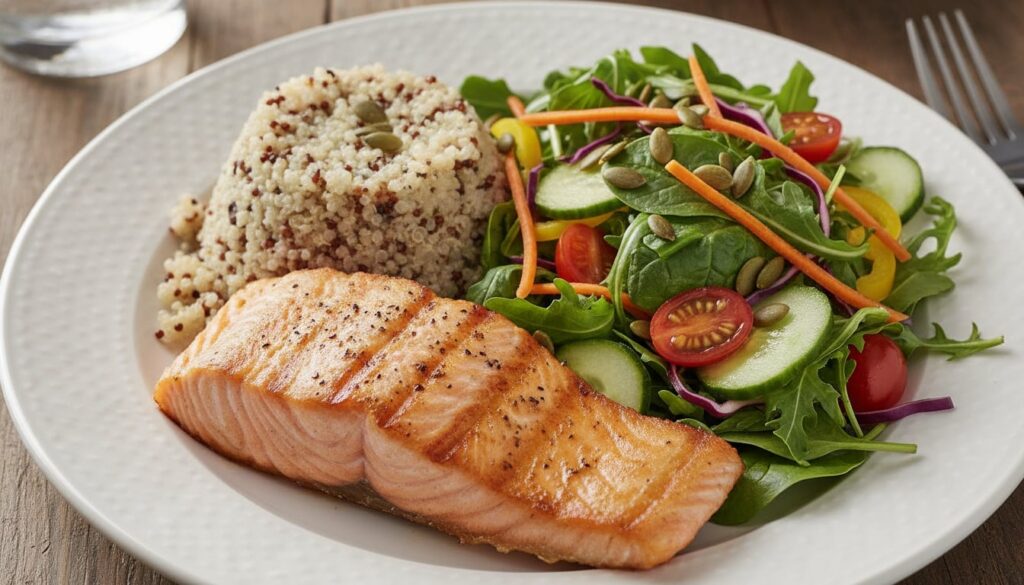
- Include Red Meat: If you eat meat, lean beef or lamb a few times a week can significantly boost your zinc.
- Snack on Nuts and Seeds: Pumpkin seeds, cashews, and almonds are easy, portable sources. Add them to salads, yogurt, or oatmeal.
- Legumes are Your Friend: Lentils, chickpeas, and beans are versatile and great for plant-based zinc. Use them in soups, stews, and salads.
- Enjoy Seafood: Oysters are exceptional, but crab, lobster, and shrimp also offer good amounts of zinc.
- Consider Fortified Foods: Some breakfast cereals and plant-based milks are fortified with zinc. Check the nutrition labels.
- Cook with Variety: Aim for a diverse diet to ensure you’re getting a wide range of essential nutrients, including zinc.
FAQs About Zinc and Your Health
Q: Can vegetarians and vegans get enough zinc?
A: Yes, it’s possible, but it requires careful planning. Plant-based sources like legumes, nuts, seeds, and whole grains contain zinc, but they also contain phytates which can inhibit absorption. Soaking, sprouting, and fermenting can help improve bioavailability. Vegans and vegetarians may need to consume slightly more zinc than omnivores.
Q: Does cooking affect the zinc content of food?
A: Generally, cooking methods like boiling can lead to some loss of water-soluble nutrients, but zinc, being a mineral, is relatively stable. However, overcooking or discarding cooking liquids can reduce the overall nutrient intake.
Q: Are zinc supplements necessary?
A: For most healthy individuals with a balanced diet, supplements are not necessary. If you have a confirmed deficiency, certain medical conditions, or follow a restrictive diet, a healthcare provider might recommend supplementation. Always consult a professional first.
Q: What’s the best time to take zinc supplements?
A: Zinc supplements are best taken with food to minimize the risk of stomach upset. Avoid taking them with foods high in calcium or iron, as these can interfere with zinc absorption.
Q: Can zinc help with hair loss?
A: Zinc deficiency is linked to hair loss. If hair loss is due to a zinc deficiency, then restoring adequate zinc levels may help. However, hair loss can have many causes, so it’s best to consult a doctor for diagnosis and treatment.
Q: Does zinc affect my mood?
A: Some research suggests a link between zinc levels and mood regulation. Zinc plays a role in neurotransmitter function, and deficiencies have been observed in individuals with mood disorders. More research is needed, but maintaining adequate zinc intake supports overall brain health.
Conclusion
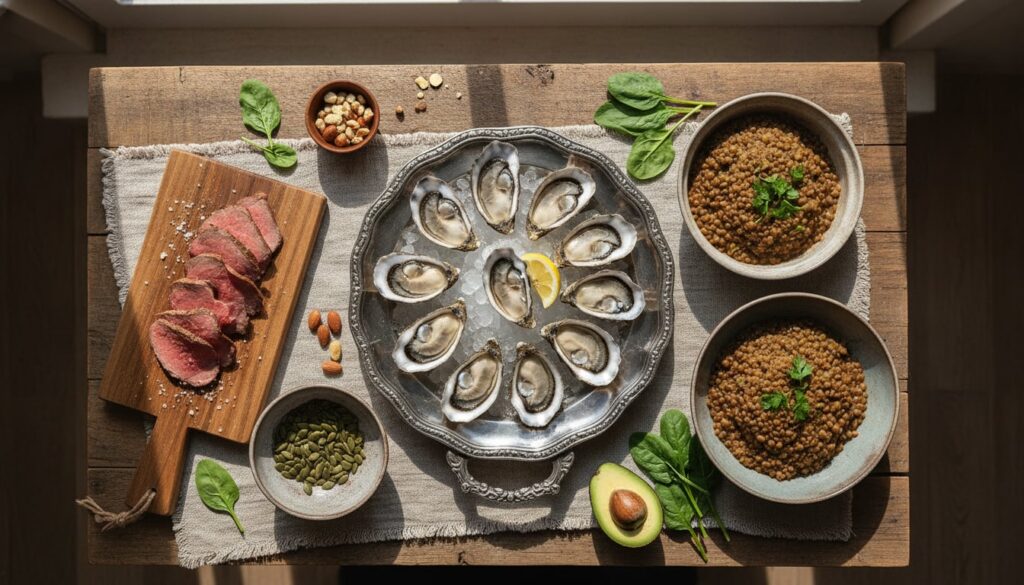
Zinc is far more than just another mineral; it’s a fundamental building block for a healthy, vibrant body. From bolstering your immune system and promoting healthy skin to supporting male vitality and cognitive function, its roles are extensive and invaluable. By thoughtfully including a variety of zinc-rich foods like oysters, beef, pumpkin seeds, and lentils in your diet, you’re investing in your long-term health and well-being.
Remember, a balanced and varied diet is your best tool for getting all the nutrients you need. Start exploring these amazing zinc-packed foods today and feel the difference!
This content is for educational purposes only and should not be considered medical advice. Consult a qualified healthcare professional for personalized dietary recommendations.