Decoding Your Oats: Which Type is Truly Better?
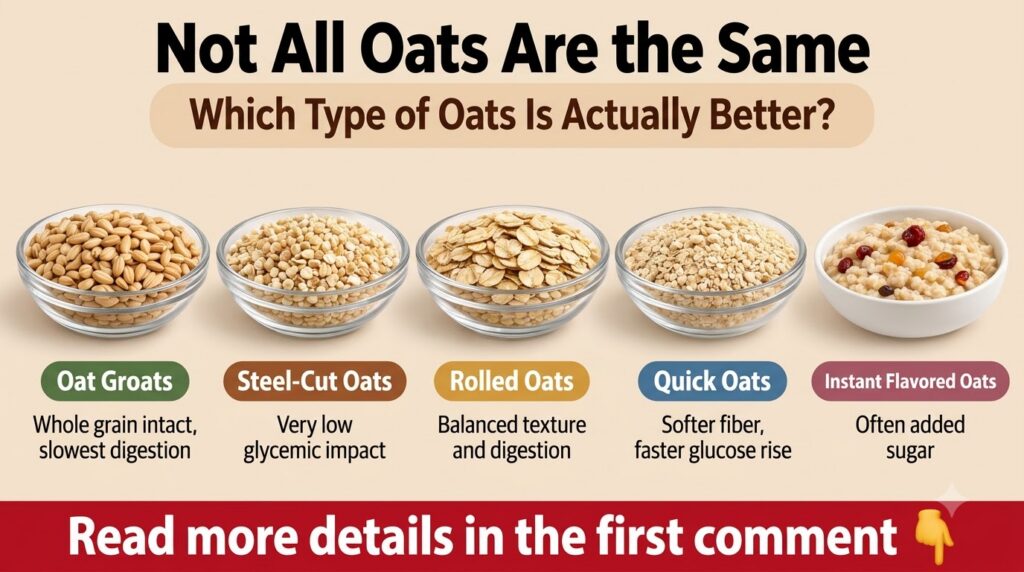
Oats are a breakfast staple, loved for their versatility and health benefits. But walk down the cereal aisle, and you’ll find a bewildering array of options: oat groats, steel-cut, rolled, quick, and instant. While they all come from the same grain, their processing methods create distinct differences in texture, cooking time, and even nutritional impact.
Understanding these distinctions is key to choosing the right oats for your lifestyle and health goals. Whether you’re aiming for sustained energy, quick convenience, or specific dietary needs, this guide will help you decode the world of oats and decide which type is truly better for you.
In this article, you’ll learn:
- The processing differences for each oat type.
- A nutritional comparison to guide your choices.
- The best uses and benefits of oat groats, steel-cut, rolled, quick, and instant oats.
- Practical tips for incorporating oats into your diet.
The Diverse World of Oats: Processing and Characteristics
All oats start as oat groats, the whole, unbroken kernels. The journey from groat to your breakfast bowl involves various levels of processing, which impact everything from their cooking time to their texture and how quickly your body digests them.
Oat Groats: The Whole Deal
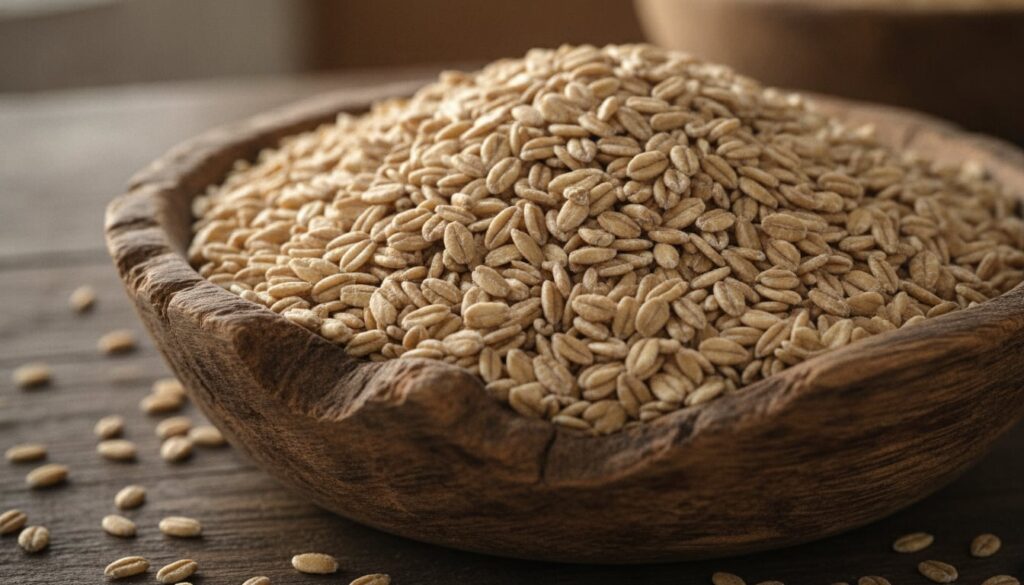
- Processing: Minimal. The hulled kernel of the oat plant, with only the inedible outer husk removed.
- Cooking Time: Longest (45-60 minutes). Best soaked overnight.
- Texture: Chewy, substantial, similar to rice or barley.
- Best For: Hearty porridges, grain bowls, savory dishes, or as a rice substitute.
Steel-Cut Oats (Irish Oats): Hearty and Wholesome
- Processing: Oat groats are cut into two or three smaller pieces with steel blades.
- Cooking Time: Medium (20-30 minutes).
- Texture: Chewy, firm, and nutty. They hold their shape well.
- Best For: Creamy, slow-cooked porridges, overnight oats, or baking.
Rolled Oats (Old-Fashioned Oats): The Versatile Choice
- Processing: Oat groats are steamed and then flattened into flakes.
- Cooking Time: Shorter (5-10 minutes).
- Texture: Softer and creamier than steel-cut oats, but still retain some texture.
- Best For: Porridge, granola, baked goods (cookies, muffins), overnight oats.
Quick Oats (Instant Oats): Speed and Convenience
- Processing: Oat groats are steamed longer, cut into smaller pieces, and then rolled thinner than old-fashioned oats.
- Cooking Time: Very short (1-3 minutes).
- Texture: Soft, mushy texture.
- Best For: Fast breakfasts, adding to smoothies, or as a binder in meatballs.
Instant Flavored Oats: The Fastest Option
- Processing: Similar to quick oats but often pre-cooked, dried, and sometimes flavored with added sugars, salt, and artificial ingredients.
- Cooking Time: Super fast (under 1 minute) by just adding hot water.
- Texture: Very soft, almost pureed.
- Best For: On-the-go breakfasts when time is extremely limited. Check labels for added ingredients.
Nutrition Comparison: Which Oats Pack the Most Punch?
While all oats offer excellent nutrition, the differences in processing can slightly affect nutrient density, fiber content, and how your body processes them. Generally, less processed oats tend to have a lower glycemic index, meaning they cause a slower rise in blood sugar.
Here’s a comparison based on a typical 1/2 cup (dry) serving:
| Oat Type | Calories (approx.) | Protein (g) | Carbs (g) | Fat (g) | Fiber (g) | Main Nutrients | Key Benefit |
|---|---|---|---|---|---|---|---|
| Oat Groats | 150 | 7 | 27 | 3 | 4 | Manganese, Phosphorus, Magnesium, Iron, B Vitamins | Maximum fiber & chewiness, slowest digestion |
| Steel-Cut Oats | 150 | 5 | 27 | 3 | 4 | Manganese, Phosphorus, Magnesium, Iron, B Vitamins | Lower glycemic index, hearty texture |
| Rolled Oats | 150 | 5 | 27 | 3 | 4 | Manganese, Phosphorus, Magnesium, Iron, B Vitamins | Versatile, good texture, moderate cooking time |
| Quick Oats | 150 | 5 | 27 | 3 | 4 | Manganese, Phosphorus, Magnesium, Iron, B Vitamins | Fast cooking, softer texture |
| Instant Flavored Oats | 160-200+ | 4-5 | 30-40+ | 2-4 | 3-4 | Often added vitamins/minerals, but check for sugar | Ultimate convenience, but read labels carefully |
Which Type is Best For You?
There isn’t a single “best” type of oat, as the ideal choice depends on your priorities:
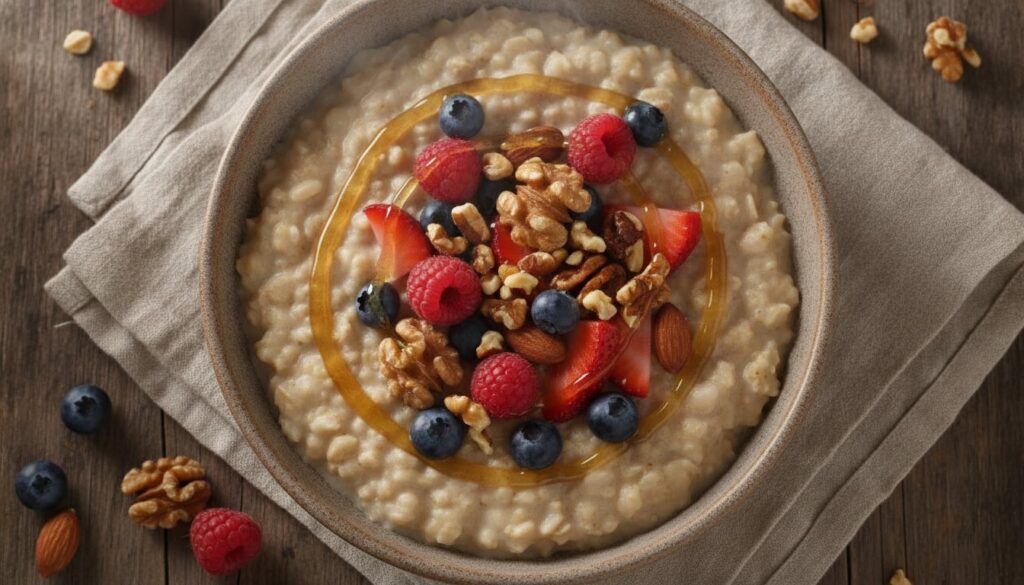
- For maximum whole-grain benefits and sustained energy: Oat Groats or Steel-Cut Oats. Their minimal processing means they retain more of their original structure, leading to slower digestion and a more gradual rise in blood sugar. They’re excellent for maintaining fullness.
- For versatility in cooking and baking: Rolled Oats. They’re sturdy enough for granola and cookies, yet cook down nicely for a creamy bowl of oatmeal.
- For quick, easy breakfasts: Quick Oats. When you’re short on time, these are a lifesaver. Just be mindful of toppings to boost their nutritional value.
- For strict time constraints: Instant Oats. If convenience is your absolute top priority, plain instant oats can be a decent option. However, avoid the flavored varieties laden with sugar and artificial ingredients.
Ultimately, any form of whole oats is a healthier choice than many refined breakfast cereals. The key is to choose the least processed option that fits your lifestyle and to be mindful of what you add to your oats.
Practical Tips for Enjoying Oats
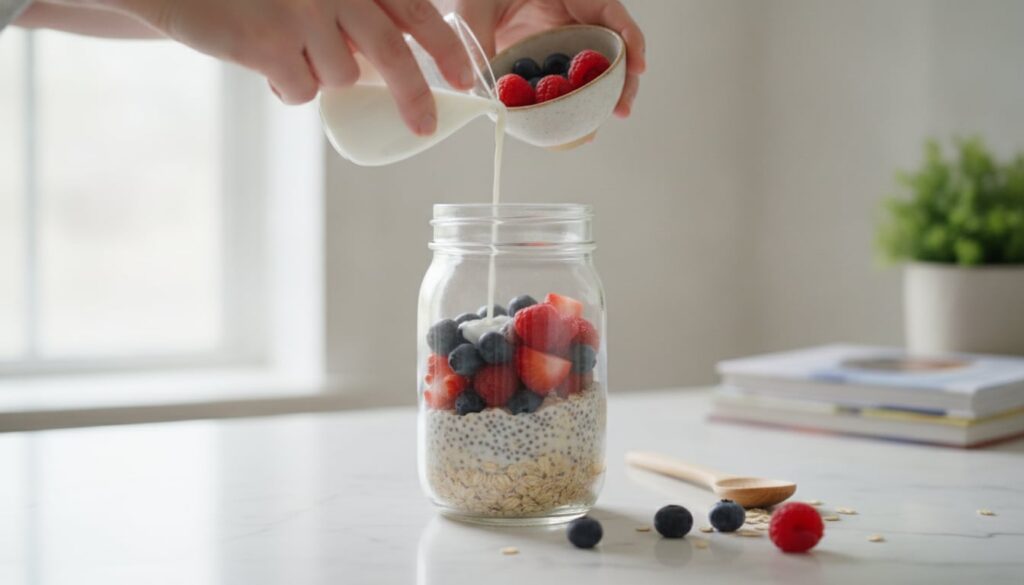
- Boost Your Bowl: Add fresh fruits, berries, nuts, seeds (chia, flax, hemp), cinnamon, or a dollop of Greek yogurt for extra flavor, fiber, and protein.
- Savory Oats: Don’t limit oats to sweet dishes! Try cooking steel-cut or rolled oats with vegetable broth and topping with a fried egg, avocado, or sautéed greens for a unique and nutritious meal.
- Overnight Oats: A fantastic meal prep option! Combine rolled or steel-cut oats with milk (dairy or non-dairy), chia seeds, and your favorite add-ins in a jar. Refrigerate overnight for a grab-and-go breakfast.
- Watch the Add-ins: Many instant flavored oats come with significant amounts of added sugar and sodium. Opt for plain oats and sweeten them yourself with natural options like a touch of maple syrup, honey, or fruit.
- Batch Cook: Cook a large batch of steel-cut or oat groats at the beginning of the week. Store them in the fridge and reheat portions for quick meals.
FAQs About Oats
Q: Are oats gluten-free?
A: Naturally, oats are gluten-free. However, they are often processed in facilities that also handle gluten-containing grains, leading to cross-contamination. If you have celiac disease or gluten sensitivity, look for oats specifically labeled “certified gluten-free.”
Q: Can oats help with weight loss?
A: Oats, especially less processed varieties, are rich in soluble fiber (beta-glucan), which can help you feel full longer and may support weight management by reducing overall calorie intake. Paired with a balanced diet and exercise, they can be a helpful component.
Q: What is beta-glucan and why is it important?
A: Beta-glucan is a type of soluble fiber found in oats. Research suggests it may help lower LDL (“bad”) cholesterol, stabilize blood sugar levels, and promote a healthy gut microbiome. It’s the superstar nutrient in oats!
Q: Are instant oats unhealthy?
A: Plain instant oats are not inherently unhealthy; they offer similar nutrients to rolled oats, just with a softer texture and faster digestion. The concern arises with flavored instant oats, which often contain excessive added sugars, artificial flavors, and preservatives. Always check the ingredient list.
Q: What’s the best way to cook steel-cut oats?
A: For a creamy texture, combine 1 part steel-cut oats with 3 parts liquid (water or milk) and a pinch of salt. Bring to a boil, then reduce heat and simmer, stirring occasionally, for 20-30 minutes until tender and creamy. You can also cook them in a slow cooker or pressure cooker.
Q: Can I eat raw oats?
A: Yes, raw rolled oats (not oat groats or steel-cut) are commonly used in overnight oats recipes. Soaking them makes them digestible and palatable. However, cooking oats can make their nutrients more bioavailable for some people.
Conclusion
From the robust chew of oat groats to the comforting creaminess of rolled oats and the sheer speed of instant varieties, the world of oats offers something for everyone. While the “best” type truly depends on your individual needs and preferences, opting for less processed versions and being mindful of added ingredients will generally provide the most nutritional benefits.
So, next time you’re at the grocery store, armed with this knowledge, you can confidently choose the oats that best fit your lifestyle and help you on your journey to healthier eating. Enjoy experimenting with different types and toppings!
This content is for educational purposes only and should not be considered medical advice. Consult a qualified healthcare professional for personalized dietary recommendations.
Explore More Healthy Eating:
- High Fiber Foods for Better Digestion
- Healthy Breakfast Ideas Beyond Oatmeal
- Understanding Whole Grains vs. Refined Grains
- Quick and Easy Meal Prep Ideas