Most people associate a bright smile with expensive dental treatments or commercial products. What if the secret to a noticeably brighter smile was hiding in your kitchen cabinet and produce drawer? Many overlook the simple power of everyday ingredients, but a humble tomato and a spoonful of baking soda might just surprise you.
This isn’t about harsh chemicals or complicated procedures. It’s about a simple, homemade paste that traditionally has been explored as a natural way to support the appearance of whiter teeth. Let’s delve into how you can prepare this gentle remedy at home and potentially unveil a brighter, more confident smile.
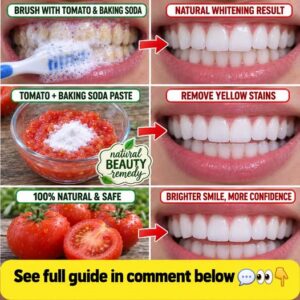
What it Is: A Simple Brightening Paste
The Tomato & Baking Soda Brightening Paste is a DIY concoction designed to gently address surface stains on teeth. It combines the mild acidity of fresh tomato juice with the gentle abrasive and alkalizing properties of baking soda. The idea is to create a natural, accessible alternative for those looking to enhance their smile without resorting to stronger chemical treatments.
Ingredients You’ll Need
The beauty of this remedy lies in its simplicity. You only need two core ingredients:
- Fresh Tomato: A ripe, juicy tomato is essential. You’ll be using its juice.
- Baking Soda (Sodium Bicarbonate): Ensure you’re using pure baking soda, not baking powder, which contains additional ingredients.
Approximate Measurements
Precision isn’t as critical as consistency here, but a good starting point ensures effectiveness without overuse.
- 1/2 teaspoon Fresh Tomato Juice: This usually comes from a small section of a ripe tomato.
- 1/4 teaspoon Baking Soda: Adjust as needed to form a paste.
Formula / Recipe: Crafting Your Paste
The formula for this brightening paste is straightforward. The goal is to create a thick, but not overly gritty, consistency that adheres well to your toothbrush and teeth.
Step-by-Step Method
- Prepare the Tomato: Wash a ripe tomato thoroughly. Cut a small wedge or slice from it.
- Extract the Juice: Gently squeeze the tomato wedge over a small, clean non-metallic bowl or dish. You only need about half a teaspoon of juice. You can also mash a small piece of tomato flesh and strain it for pure juice.
- Add Baking Soda: To the tomato juice, add 1/4 teaspoon of baking soda.
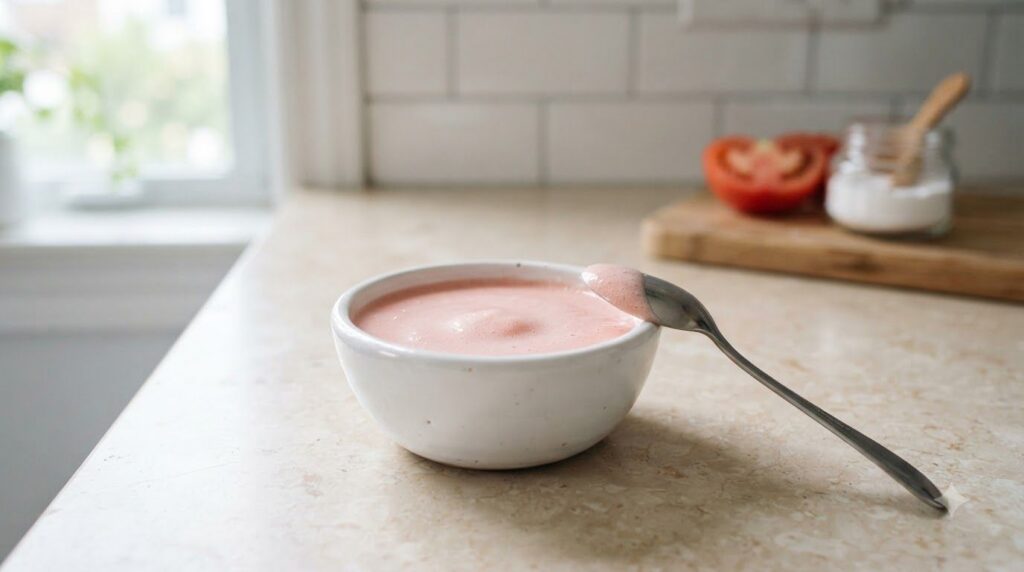
- Mix Thoroughly: Stir the mixture with a clean spoon until it forms a uniform paste. It should be thick enough to stay on a toothbrush but not too dry or crumbly. If it’s too runny, add a tiny pinch more baking soda. If too thick, a drop more tomato juice.
How to Use Your Brightening Paste
Once your paste is prepared, application is key to effectiveness and safety.
- Brush as Usual First: Before applying the paste, brush your teeth thoroughly with your regular toothpaste to clean off any food particles.
- Apply the Paste: Take a small amount of the tomato and baking soda paste on a clean, soft-bristled toothbrush.
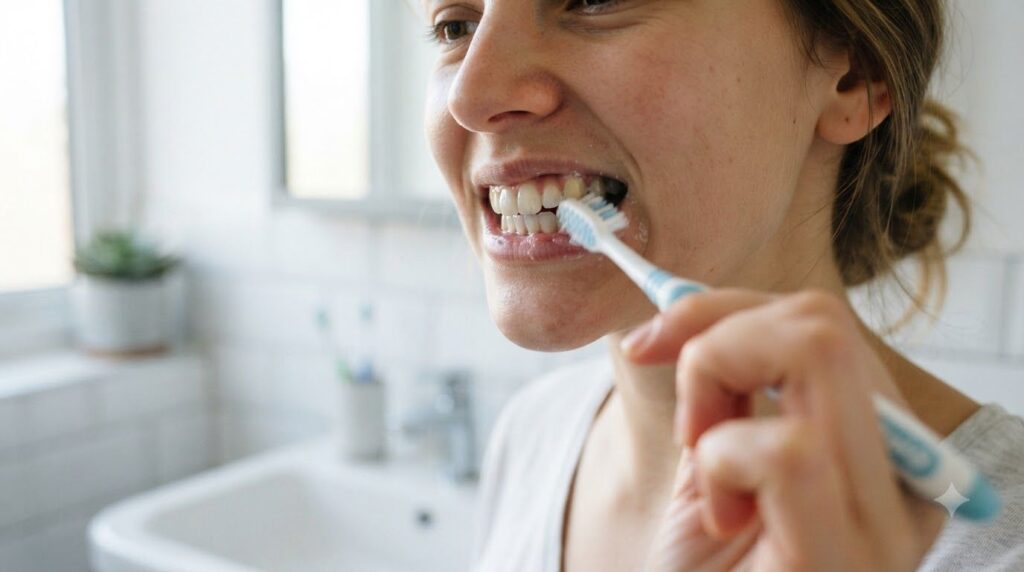
- Gentle Brushing: Brush your teeth very gently, focusing on the outer surfaces where stains are most visible. Do not scrub harshly.
- Let it Sit (Briefly): After gentle brushing for about 1 minute, allow the paste to sit on your teeth for no more than 1-2 additional minutes.
- Rinse Thoroughly: Spit out the paste and rinse your mouth thoroughly with water several times to ensure all residue is removed.
Quick Tip: The Right Consistency
A paste that’s too watery won’t adhere well, and one that’s too gritty might be overly abrasive. Aim for a smooth, spreadable consistency similar to regular toothpaste.
How Often to Use
This paste should be used sparingly. Due to the mild acidity of tomato and the abrasive nature of baking soda, overusing it can potentially lead to sensitivity or enamel erosion over time. We recommend using this paste no more than once every two weeks, or even less frequently if you have sensitive teeth. Consistency over time with infrequent use is generally preferred over aggressive, frequent application.
How to Buy / How to Choose Ingredients
Choosing the right ingredients is simple but important for this remedy:
- Tomatoes: Opt for ripe, organic tomatoes if possible. Ripe tomatoes generally have a better flavor and juice content. Avoid unripe or bruised tomatoes.
- Baking Soda: Purchase food-grade baking soda (sodium bicarbonate) from a reputable brand. Check the label to ensure it’s pure baking soda and not a baking powder mix.
Fresh vs. Unripe Tomatoes
| Feature | Ripe Tomato | Unripe Tomato |
|---|---|---|
| Acidity | Balanced, milder | Higher, more acidic |
| Juice Content | High, easy to extract | Lower, harder to extract |
| Suitability for Paste | Recommended, less harsh | Not recommended, can be too acidic |
| Safety | Generally safer | Higher risk of enamel concerns |
Storage
This paste is best prepared fresh for each use. Do not make a large batch to store. The acidic components of the tomato can degrade quickly, and the mixture might lose its efficacy or even grow undesirable bacteria if stored. Prepare just enough for one application and discard any leftovers immediately.
Practical Tips for Best Results
- Use a Separate Toothbrush: Consider dedicating a separate, soft-bristled toothbrush for this paste to avoid cross-contamination with your regular toothpaste.
- Listen to Your Teeth: If you experience any sensitivity or discomfort, stop using the paste immediately.
- Maintain Regular Oral Hygiene: This paste is not a substitute for daily brushing, flossing, and regular dental check-ups.
- Consistency is Key (Infrequent): Remember, gentle and infrequent use is more beneficial than harsh, frequent application.
Common Mistakes to Avoid
- Overuse: The most common mistake. Using it too often can thin enamel and increase sensitivity.
- Harsh Scrubbing: Aggressive brushing can damage enamel and gums. Always use a gentle hand.
- Using Unripe Tomatoes: Unripe tomatoes are more acidic and can be harsher on enamel.
- Leaving it on Too Long: Exposing your teeth to the paste for extended periods increases the risk of acid erosion.
- Expecting Miracles: This is a gentle surface stain remover, not a professional bleaching treatment. Manage your expectations.
Cautions / Who Should Avoid It
While this is a natural remedy, it’s not suitable for everyone.
- Sensitive Teeth: If you already have tooth sensitivity, this paste may exacerbate it.
- Damaged Enamel: If you have thin or eroded enamel, avoid this remedy entirely.
- Gum Disease: Avoid if you have receding gums or any form of gum disease.
- Dental Work: Do not use if you have veneers, crowns, bonding, or other dental restorations, as the paste may affect their appearance or integrity.
- Children: Not recommended for children whose enamel is still developing.
- Allergies: If you have an allergy to tomatoes, do not use this paste.
Always consult your dentist if you have any concerns about your dental health or before starting any new home oral care regimen.
Before You Apply: Check Your Enamel
A quick check in the mirror: if your teeth appear translucent at the edges, it could indicate thin enamel. If so, avoid any abrasive or acidic whitening remedies, including this one.
Quick Summary
- Best Preparation: Freshly mixed paste of ripe tomato juice and baking soda.
- Best Use-Case: Gently removing surface stains for a brighter appearance.
- Storage: Prepare fresh, do not store.
- When to Use: Max once every two weeks.
- What to Avoid: Overuse, harsh scrubbing, unripe tomatoes, prolonged application.
You may also like: Read more about gentle DIY oral care practices.
Frequently Asked Questions (FAQ)
Q1: Can I use bottled tomato juice instead of fresh?
No, fresh tomato juice is recommended. Bottled juices often contain additives or are pasteurized, which can alter their natural properties and may not be suitable for this application.
Q2: How quickly will I see results?
Results vary by individual and the nature of the stains. Some may notice a slight improvement after a few uses, while for others, it may be less noticeable. This is not an instant whitening solution.
Q3: Is the acidity of tomato harmful to my teeth?
Used infrequently and with careful application, the mild acidity from a ripe tomato is generally less concerning than prolonged exposure. However, overuse or leaving the paste on for too long can contribute to enamel erosion. Always rinse thoroughly.
Q4: Can I use more baking soda for a stronger effect?
Increasing the amount of baking soda can make the paste more abrasive, which increases the risk of enamel damage. Stick to the recommended ratio and prioritize gentle use over aggressive scrubbing.
Q5: What if my teeth feel sensitive after using it?
If you experience any sensitivity, stop using the paste immediately. Sensitivity indicates that your teeth or gums are reacting negatively, potentially due to enamel erosion. Consult your dentist.
Q6: Can this paste replace my regular toothpaste?
Absolutely not. This paste is a targeted, infrequent remedy for surface stains and lacks the fluoride and other beneficial ingredients found in commercial toothpastes for daily cavity protection and gum health.
Related remedy: Discover other natural home remedies for oral freshness.
Conclusion
The Tomato & Baking Soda Brightening Paste offers a surprising, simple approach to supporting a visibly brighter smile using common kitchen ingredients. While not a substitute for professional dental care, it provides a gentle, accessible option for those seeking to reduce surface stains. Remember the keys to success: fresh ingredients, precise measurements, gentle application, and—most importantly—infrequent use. Listen to your body, manage your expectations, and always prioritize your overall dental health. With care and consistency, you might just find a subtle, natural radiance in your smile.
Continue with: See the full guide on natural approaches to dental aesthetics.
