This hair growth oil recipe is the kind of simple scalp blend people save because it feels easy, affordable, and satisfying to use.
The viral idea is simple: mix nourishing oils, massage them into the scalp, and support softer, fuller-looking hair over time.
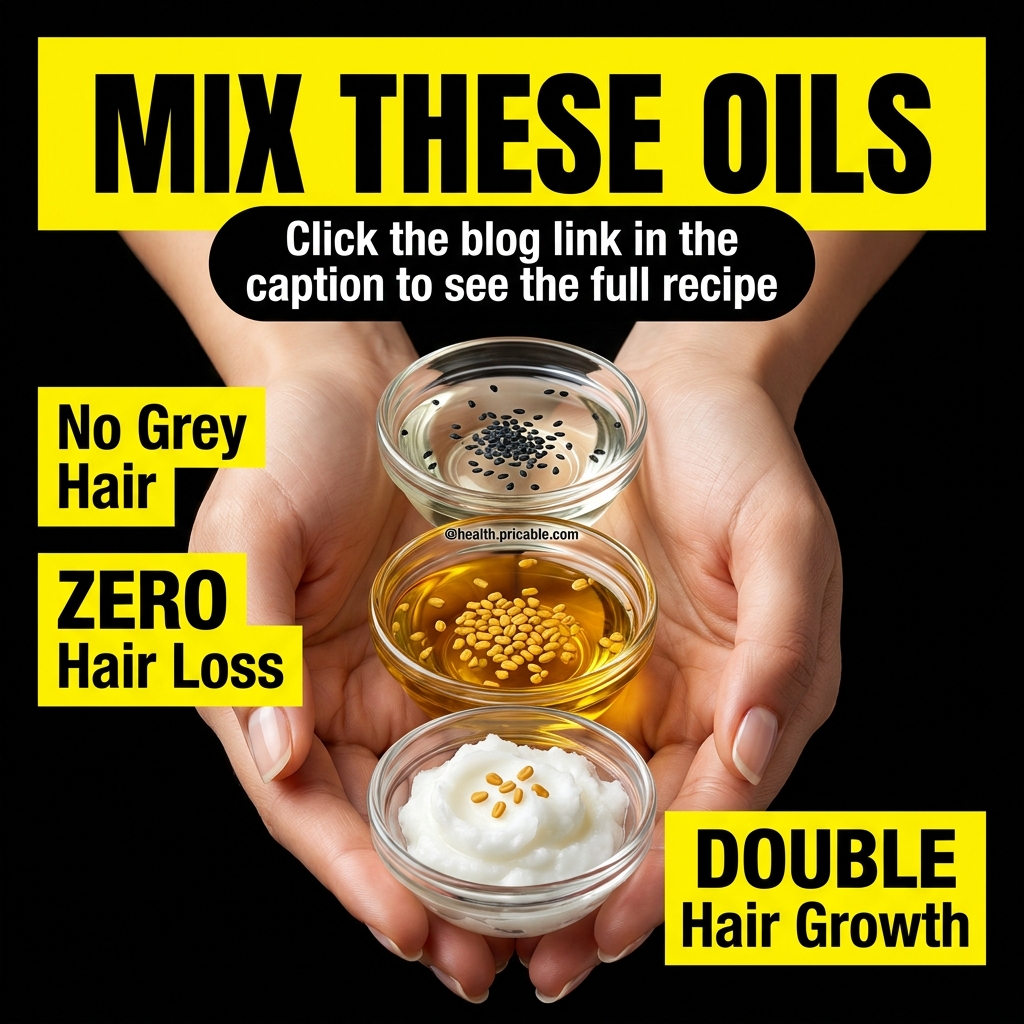
The real payoff is not magic overnight growth. It is a better scalp routine that may help reduce dryness, friction, and breakage so your hair looks healthier as it grows.
A quick reality check: oils cannot reverse genetics, instantly stop shedding, or permanently remove gray hair. But the right blend can support scalp comfort, shine, moisture, and the look of thicker strands when used consistently.
- Scalp massage may help circulation: A few minutes of gentle massage can make the routine more effective and relaxing.
- Oils reduce friction: Less friction can mean less breakage, especially on dry or textured hair.
- Fenugreek adds slip: A light fenugreek infusion gives the oil a soft conditioning feel.
- Black seed oil feels rich: It is commonly used in scalp blends because it gives a dense, nourishing finish.
- Coconut oil helps seal: Used lightly, it can make dry ends feel smoother and more manageable.
If your scalp gets oily fast, choose a lighter blend. If your hair feels dry and rough, a richer oil may be worth trying first.
best oils for hair growth and thickness
The best oil depends on your scalp type, hair texture, and how often you wash your hair. A heavy blend can feel amazing on dry hair but too greasy on fine hair.
- Black seed oil: Best for a rich scalp oil blend. Use a small amount because it can feel heavy.
- Fenugreek-infused oil: Best for a soft, traditional hair oil feel.
- Coconut oil: Best for dry lengths and ends, especially before washing.
- Jojoba oil: Best for lightweight scalp use because it feels less greasy.
- Castor oil: Best for very dry edges or ends, but it should be diluted because it is thick.
For most people, the best formula is not the heaviest one. It is the one you can use two or three times a week without irritating your scalp or making your hair hard to wash.
what to look for before you buy hair growth oil
Before you buy a hair oil, check the ingredient list instead of relying on big claims on the front label.
- Carrier oils first: Look for coconut, jojoba, argan, olive, sunflower, grapeseed, black seed, or castor oil.
- No miracle promises: Avoid products claiming to stop all hair loss or reverse gray hair quickly.
- Low fragrance: Strong fragrance can irritate sensitive scalps.
- Essential oils diluted: Rosemary, peppermint, tea tree, and clove should never be used undiluted.
- Clear storage instructions: Natural oils can go rancid, so storage guidance matters.
- Simple ingredient list: Fewer ingredients are often easier to patch test.
- Texture match: Fine hair usually does better with jojoba or grapeseed; coarse hair may like coconut or castor blends.
- Dark bottle: Amber or dark glass helps protect delicate oils from light.
how to make a hair growth oil recipe at home
This blend is designed for scalp massage and pre-wash use. It makes about 4 tablespoons, enough for several applications.
Ingredients
- 2 tablespoons fractionated coconut oil or melted coconut oil
- 1 tablespoon jojoba oil or olive oil
- 1 tablespoon black seed oil
- 1 teaspoon fenugreek seeds, lightly crushed
- Optional: 1 teaspoon castor oil for a thicker blend
Steps
- Add coconut oil, jojoba oil, and crushed fenugreek seeds to a clean heat-safe jar.
- Place the jar in a bowl of hot water for 20 to 30 minutes. Do not boil the oil.
- Let the oil cool completely.
- Strain out the fenugreek seeds with a fine mesh strainer or cheesecloth.
- Stir in the black seed oil after straining.
- Pour into a clean dark glass bottle.
- Store in a cool, dark place and use within 2 to 3 weeks.
For a lighter version, skip the castor oil. For a richer pre-wash treatment, add the castor oil and use only a small amount.
how to use hair growth oil on scalp
Use this oil as a pre-wash scalp treatment 2 to 3 times per week. More is not always better, especially if your scalp is sensitive or oily.
- Part dry hair into sections.
- Apply 1 teaspoon of oil directly to the scalp using fingertips or a dropper.
- Massage gently for 3 to 5 minutes.
- Pull a tiny amount through dry ends if needed.
- Leave on for 30 to 60 minutes.
- Shampoo thoroughly. Wash twice if your hair still feels oily.
If your scalp tolerates oil well, you may leave it on overnight once a week. Use a towel over your pillow and avoid applying so much oil that your scalp feels coated.
hair growth oil for thinning hair over 40
Hair can look thinner after 40 for many reasons, including hormonal shifts, stress, styling damage, dryness, and normal changes in hair density.
A scalp oil routine may help hair look healthier by reducing dryness and breakage. It should not replace medical care if shedding is sudden, patchy, or severe.
- Use a lighter oil if your hair is fine.
- Focus massage on the scalp, not just the hair ends.
- Pair oiling with enough protein, iron-rich foods, and gentle styling.
- Avoid tight hairstyles that pull on the hairline.
- Track shedding for a few weeks so you can notice real changes.
Common Mistakes + Quick Fixes
- Mistake: Using too much oil. Why: It can clog the routine and make washing difficult. Fix: Start with 1 teaspoon for the whole scalp.
- Mistake: Applying oil to a dirty scalp. Why: Buildup can trap sweat and flakes. Fix: Use it before wash day.
- Mistake: Scratching during massage. Why: It can irritate the scalp. Fix: Use soft fingertip circles.
- Mistake: Expecting gray hair to disappear. Why: Oil cannot change hair pigment already grown out. Fix: Use oil for moisture and shine.
- Mistake: Leaving heavy oil on fine hair overnight. Why: It can make hair limp. Fix: Use a 30-minute pre-wash treatment.
- Mistake: Adding undiluted essential oils. Why: They can burn or sensitize the scalp. Fix: Keep essential oils very diluted or skip them.
Safety Note
Patch test the blend on your inner arm or behind your ear for 24 hours before using it on your scalp. Do not use it on broken, inflamed, or infected skin.
Stop using the oil if you feel burning, itching, rash, or unusual tenderness. If hair loss is sudden, patchy, or paired with scalp pain, talk with a qualified health professional.
Realistic Timeline
- Same day: Hair may feel softer and look shinier after washing.
- 1 week: Dryness and rough ends may feel more manageable with consistent use.
- 2 to 4 weeks: Hair may look healthier if breakage is reduced, but new growth takes longer to notice.
FAQ
What are the best oils for hair growth and thickness?
Black seed oil, jojoba oil, coconut oil, castor oil, and fenugreek-infused oil are popular choices. The best option depends on whether your scalp prefers lightweight or richer oils.
What should I look for before buying hair growth oil?
Look for clear carrier oils, low fragrance, no extreme promises, and a texture that matches your hair type. Avoid products that claim instant growth or guaranteed hair loss reversal.
How do you make a hair growth oil recipe at home?
Infuse coconut or jojoba oil with crushed fenugreek seeds, strain it, then mix in black seed oil. Store it in a clean dark bottle and use it as a pre-wash scalp treatment.
How should I use hair growth oil on my scalp?
Apply a small amount to the scalp, massage gently for 3 to 5 minutes, leave it on for 30 to 60 minutes, then shampoo well.
Is hair growth oil good for thinning hair over 40?
It may help hair look healthier by supporting scalp moisture and reducing breakage. It cannot fix every cause of thinning, so sudden or severe shedding should be checked.
Can hair oil reverse gray hair?
No oil can reliably reverse gray hair once the strand has grown in. Oil can improve softness, shine, and scalp comfort.
Can I sleep with this hair oil overnight?
Yes, if your scalp tolerates it and the blend is not too heavy. Start with a short treatment first to see how your scalp responds.
How often should I oil my scalp?
Two to three times per week is enough for most people. Fine or oily hair may only need once a week.
When choosing your next bottle or making your own blend, focus on scalp comfort first. A routine you can repeat safely is more valuable than a dramatic label promise.
Final Takeaway
- Best use-case: dry scalp, dull hair, rough ends, and breakage-prone strands.
- Simplest routine: massage 1 teaspoon into the scalp before washing.
- What to buy: simple carrier oils with low fragrance and no miracle claims.
- What to avoid: undiluted essential oils, heavy daily oiling, and unrealistic gray-hair promises.
- Next step: patch test, make a small batch, and track how your scalp feels for 2 to 4 weeks.