Are you looking for ways to boost your energy, support muscle health, and feel full longer? The secret might be in what’s on your plate: lean protein! Eating enough lean protein is a cornerstone of a healthy diet, providing essential nutrients without excessive calories or unhealthy fats. Whether you’re an athlete, trying to manage your weight, or simply aiming for a more balanced lifestyle, understanding and incorporating lean protein into your meals can make a significant difference.
In this article, we’ll dive into the world of lean protein, exploring its incredible benefits, identifying the top lean protein powerhouses, and sharing practical tips to integrate them into your daily diet. Get ready to fuel your body the right way!
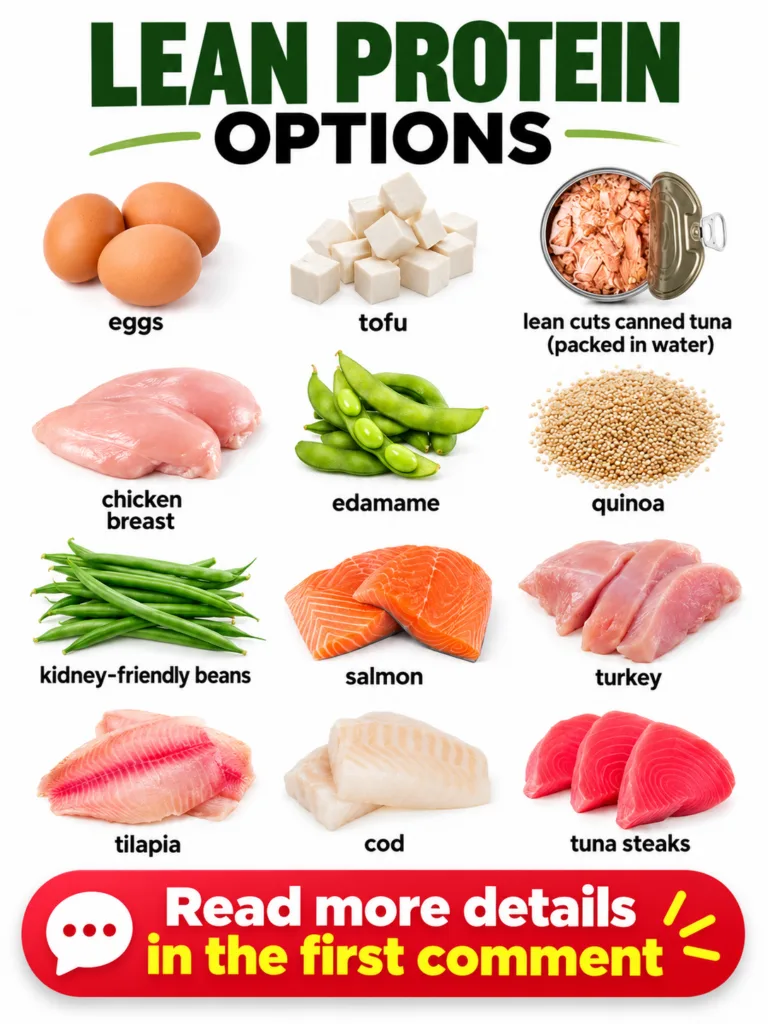
What Exactly Is Lean Protein?
Lean protein refers to protein sources that are low in saturated fat and cholesterol. While all proteins are vital for building and repairing tissues, creating enzymes and hormones, and providing energy, lean proteins offer these benefits with fewer unhealthy fats, making them an excellent choice for heart health and weight management.
Why Lean Protein Matters: Key Benefits
Incorporating lean protein into your diet offers a spectrum of health advantages:
- Muscle Growth and Repair: Protein is the building block of muscle tissue. Lean protein provides the amino acids necessary for muscle synthesis, crucial for recovery after exercise and maintaining muscle mass as you age.
- Satiety and Weight Management: Protein is known for its ability to keep you feeling full and satisfied longer than carbohydrates or fats. This can help reduce overall calorie intake and support healthy weight management goals.
- Boosts Metabolism: Your body uses more energy to digest and metabolize protein compared to other macronutrients, a phenomenon known as the thermic effect of food (TEF). This can slightly boost your metabolism.
- Sustained Energy: Unlike simple carbohydrates that can lead to energy crashes, lean protein provides a steady release of energy, keeping you alert and focused throughout your day.
- Nutrient Density: Many lean protein sources are packed with essential vitamins and minerals like iron, zinc, B vitamins, and omega-3 fatty acids, contributing to overall health.
Lean Protein Powerhouses: Top Choices
Let’s explore some of the best lean protein sources you can easily add to your meals.
Animal-Based Lean Proteins
- Skinless Chicken Breast: A classic for a reason, chicken breast is incredibly versatile, low in fat, and high in protein.
- Skinless Turkey Breast: Similar to chicken, turkey breast offers a lean and flavorful protein option.
- Fish (Salmon, Tuna, Cod, Tilapia): Many fish varieties are excellent sources of lean protein. Fatty fish like salmon also provide beneficial omega-3 fatty acids, while white fish like cod and tilapia are very low in fat.
- Eggs: Whole eggs are a complete protein source, offering all essential amino acids. The yolk contains most of the vitamins and minerals.
- Greek Yogurt: This strained yogurt is significantly higher in protein than regular yogurt and is a great source of calcium and probiotics.
- Cottage Cheese: Another dairy superstar, cottage cheese is high in protein and calcium, often containing both casein and whey protein.
- Lean Beef (Sirloin, Round, Flank): When choosing beef, opt for leaner cuts and trim any visible fat. These cuts still provide iron and B vitamins.
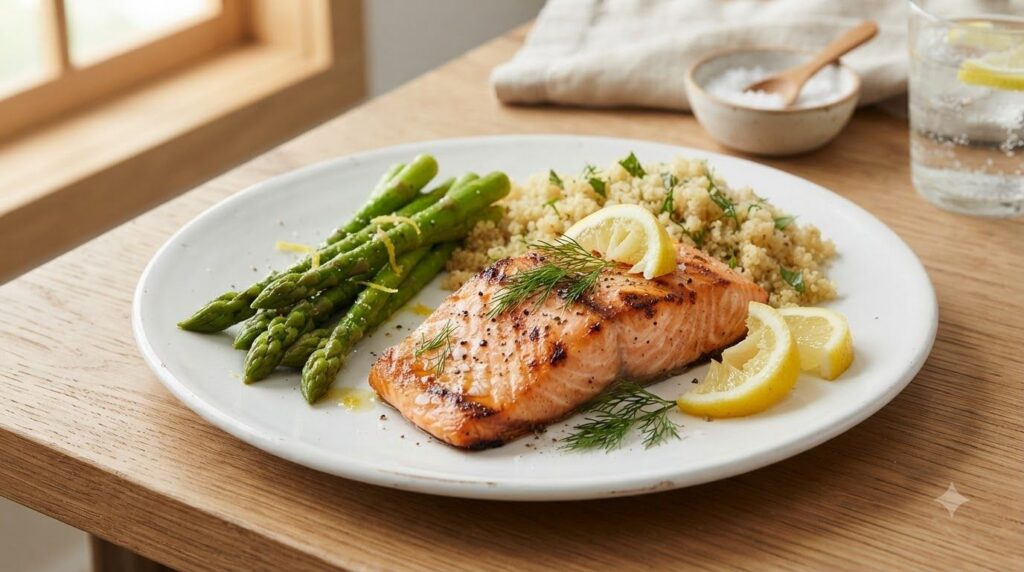
Plant-Based Lean Proteins
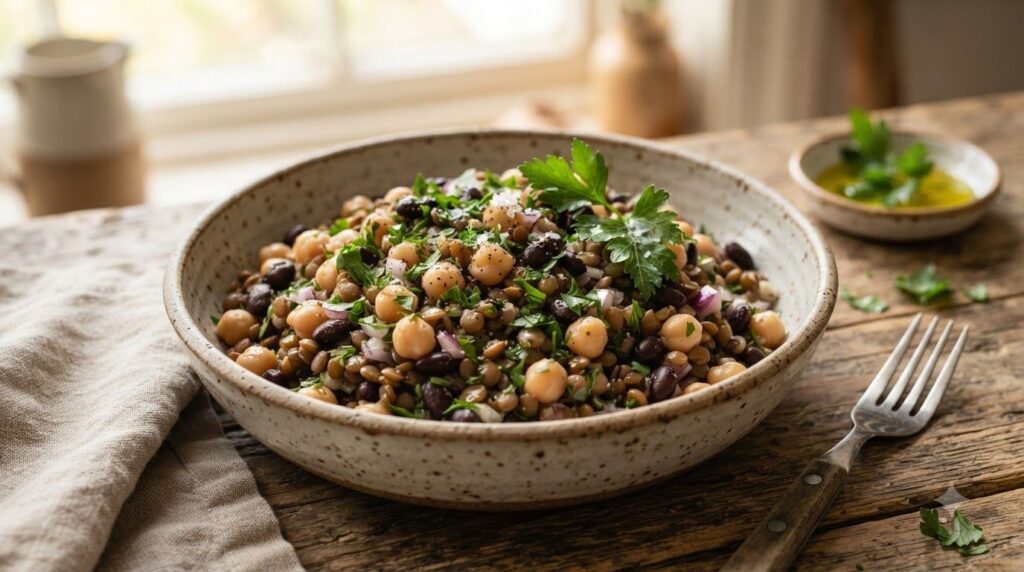
- Legumes (Lentils, Beans, Chickpeas): These plant-based powerhouses are not only rich in protein but also loaded with fiber, supporting digestive health.
- Tofu: Made from soybeans, tofu is incredibly versatile, absorbing flavors well. It’s a complete protein and a good source of calcium.
- Tempeh: Another fermented soybean product, tempeh has a firmer texture than tofu and a nutty flavor. It’s also a complete protein.
- Edamame: Young soybeans, often enjoyed steamed, are a complete plant protein and a good snack.
- Quinoa: Technically a seed, quinoa is unique among plant foods as it’s a complete protein, meaning it contains all nine essential amino acids.
- Seitan: Made from wheat gluten, seitan has a meat-like texture and is a very high-protein plant-based option.
Nutrition Comparison: Lean Protein Sources
Here’s a quick look at the approximate nutrition per 3.5 oz (100g) serving for some popular lean protein options:
| Food | Calories | Protein (g) | Carbs (g) | Fat (g) | Fiber (g) | Main Nutrients | Best Benefit |
|---|---|---|---|---|---|---|---|
| Chicken Breast (skinless, cooked) | 165 | 31 | 0 | 3.6 | 0 | B vitamins, Selenium | Muscle building, versatile |
| Salmon (Atlantic, cooked) | 206 | 22 | 0 | 12 | 0 | Omega-3s, Vitamin D | Heart health, brain function |
| Greek Yogurt (plain, non-fat) | 59 | 10 | 3.6 | 0.4 | 0 | Calcium, Probiotics | Gut health, bone strength |
| Lentils (cooked) | 116 | 9 | 20 | 0.4 | 8 | Iron, Folate, Fiber | Digestive health, energy |
| Tofu (firm) | 76 | 8 | 1.9 | 4.8 | 0.3 | Calcium, Iron | Versatile, plant-based |
| Eggs (large, 2 eggs) | 143 | 12 | 1.2 | 9.9 | 0 | Vitamin D, Choline | Complete protein, affordable |
How to Incorporate Lean Protein into Your Diet
Making lean protein a regular part of your meals doesn’t have to be complicated.
Practical Tips for Everyday Meals:
- Start Your Day Strong: Add Greek yogurt to your breakfast smoothie, scrambled eggs with vegetables, or cottage cheese with fruit.
- Smart Snacking: Keep hard-boiled eggs, a handful of edamame, or a small container of Greek yogurt handy for quick, protein-rich snacks.
- Lunch & Dinner Power-Ups: Top salads with grilled chicken or chickpeas, make lean ground turkey tacos, or add lentils to your soups and stews.
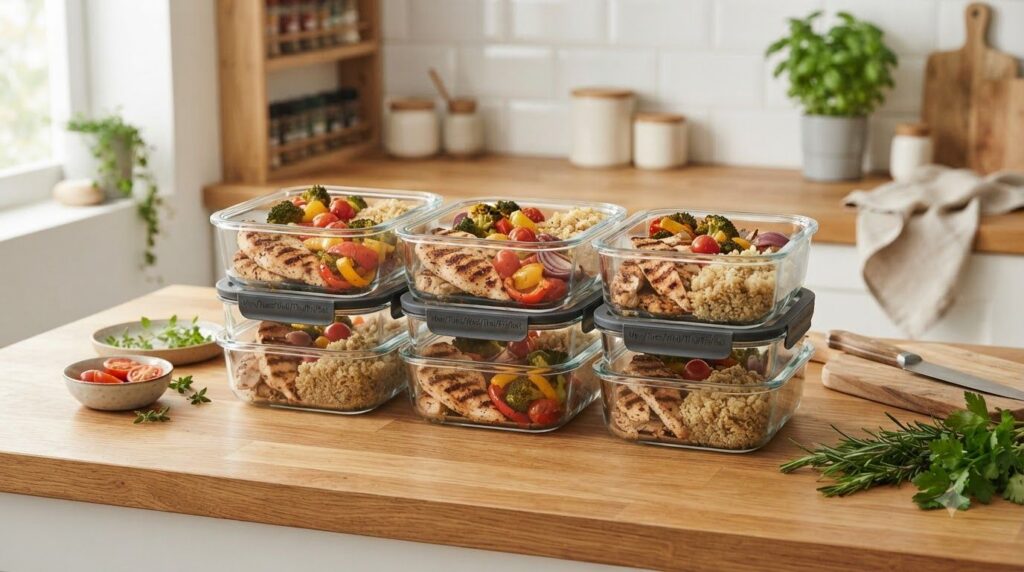
- Meal Prep for Success: Cook a batch of chicken breast or fish at the beginning of the week to easily add to various meals. Prepare a large pot of chili with lean ground beef or turkey.
- Portion Control: Aim for a palm-sized portion of lean protein at each main meal to ensure adequate intake without overdoing it.
FAQs About Lean Protein
Here are answers to some common questions about lean protein:
Q1: How much lean protein should I eat per day?
A: The recommended daily allowance (RDA) is 0.8 grams of protein per kilogram of body weight. However, active individuals or those aiming for muscle gain or weight loss may benefit from higher intakes, around 1.2 to 2.0 grams per kilogram.
Q2: Can I get enough lean protein from a plant-based diet?
A: Absolutely! Plant-based sources like legumes, tofu, tempeh, quinoa, and seitan are excellent sources of protein. Combining various plant proteins throughout the day ensures you get all essential amino acids.
Q3: Is protein powder a good lean protein source?
A: Protein powders, especially whey, casein, or plant-based options like pea or soy protein, can be convenient and effective lean protein sources, particularly post-workout or when you need a quick protein boost. Always check the nutrition label for added sugars or artificial ingredients.
Q4: What’s the difference between lean protein and regular protein?
A: The main difference is the fat content. Lean proteins have lower saturated fat and overall fat compared to fattier protein sources (e.g., high-fat cuts of red meat, processed meats). Both provide protein, but lean options are generally healthier for your heart.
Q5: Will eating too much lean protein harm my kidneys?
A: For healthy individuals, a high protein intake generally does not harm kidney function. However, if you have pre-existing kidney disease, it’s crucial to consult your doctor or a registered dietitian about appropriate protein intake.
Q6: What are some signs that I might not be getting enough protein?
A: Signs can include muscle weakness, fatigue, frequent illness (due to impaired immune function), slow wound healing, and persistent hunger.
Conclusion
Embracing lean protein powerhouses in your diet is a powerful step towards better health, increased energy, and effective weight management. From succulent fish to hearty legumes, there’s a lean protein option for every taste and dietary preference. By making conscious choices and incorporating these nutrient-dense foods into your daily meals, you’ll be fueling your body with the building blocks it needs to thrive.
Ready to discover more ways to eat healthy and feel great? Explore our other articles for delicious recipes and expert nutrition advice!
This content is for educational purposes only and should not be considered medical advice. Consult a qualified healthcare professional for personalized dietary recommendations.