Most people associate hibiscus with beautiful flowers or refreshing teas, often overlooking its remarkable potential for hair health. Beyond its vibrant appearance, hibiscus, particularly its flowers and leaves, holds secrets for promoting strong, radiant hair that many herbalists and natural beauty enthusiasts swear by. This isn’t just a trend; it’s a time-honored remedy that can transform your hair care routine, especially when combined with other powerful natural ingredients.
One small preparation mistake can ruin the whole batch, leaving you with less effective results. To truly harness its benefits, understanding the correct method and synergistic ingredients is key. This guide will walk you through creating a potent hibiscus hair elixir, detailing everything from selecting the right components to application and storage, ensuring you get the most out of this incredible plant.
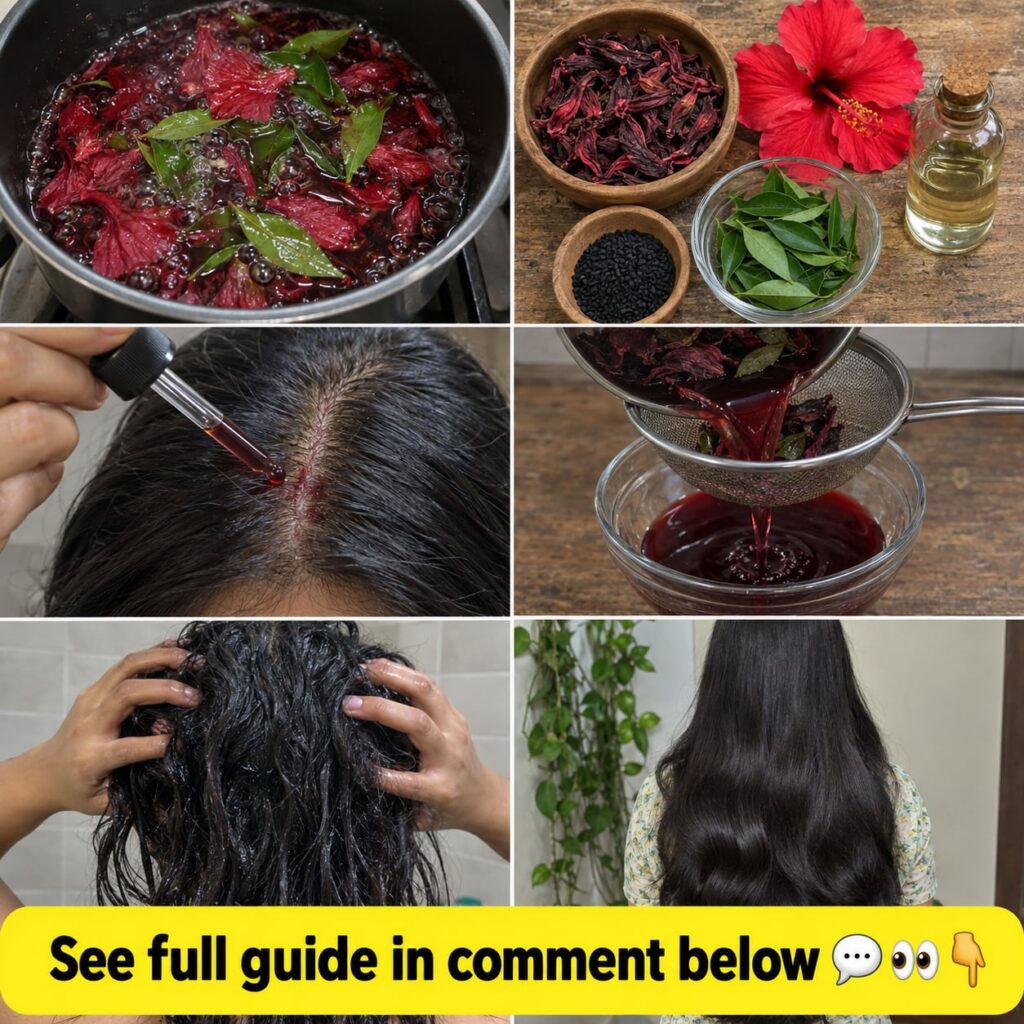 From raw ingredients to a nourishing hair treatment.
What It Is: The Hibiscus Hair Elixir
This hibiscus hair elixir is a homemade natural treatment designed to nourish the scalp, strengthen hair strands, and promote overall hair health. It typically involves extracting the beneficial compounds from hibiscus flowers and leaves, often combined with other botanicals like curry leaves and black cumin seeds, into an oil or water-based solution. The resulting liquid or infused oil is rich in vitamins, antioxidants, and amino acids that are vital for healthy hair growth and shine.
Hibiscus is known for its ability to condition hair, prevent premature graying, reduce hair fall, and add a healthy luster. When combined with ingredients like black cumin seeds, which are celebrated for their anti-inflammatory and antimicrobial properties, and curry leaves, packed with beta-carotene and proteins, the elixir becomes a powerful blend for comprehensive hair care.
Quick Tip: Fresh vs. Dried Hibiscus
While fresh hibiscus flowers and leaves provide a more vibrant color and possibly a higher concentration of certain compounds, dried hibiscus is a perfectly acceptable and often more accessible alternative. When using dried, you might need a slightly larger quantity to achieve the same potency and color. Ensure any dried hibiscus is organic and free from pesticides.
Ingredients You’ll Need
Gathering the right ingredients is the first step to a successful hibiscus hair elixir. Quality matters here, so try to source organic and fresh components whenever possible.
- Hibiscus Flowers and Leaves: About 10-15 fresh hibiscus flowers (red is common, but other colors work too) and a handful of fresh leaves, or 1/4 cup dried hibiscus powder/flowers.
- Curry Leaves: A small bunch, about 15-20 fresh leaves.
- Black Cumin Seeds (Nigella Sativa): 1-2 tablespoons.
- Carrier Oil: 1 cup of a good quality carrier oil such as coconut oil, olive oil, almond oil, or jojoba oil. Choose an oil that suits your hair type. Coconut oil is a popular choice for its penetrating properties.
- Water (optional, for water-based extract): 1-2 cups if you prefer a water-based rinse.
Approximate Measurements
These measurements are flexible and can be adjusted based on your hair length and desired potency. For a stronger brew or oil, you can slightly increase the amount of hibiscus, curry leaves, and black cumin seeds. Always start with these guidelines and adjust in subsequent batches.
IngredientMeasurementNotesFresh Hibiscus Flowers10-15 flowersUse petals and sepalsFresh Hibiscus Leaves1 handfulAbout 15-20 leavesDried Hibiscus1/4 cupFlowers or powderFresh Curry Leaves15-20 leavesAbout a small sprigBlack Cumin Seeds1-2 tablespoonsCrush lightly for better extractionCarrier Oil1 cupCoconut, olive, almond, or jojobaWater (for rinse)1-2 cupsOptional, if not making oil infusion
Formula / Recipe: Crafting Your Elixir
You have two main options: a water-based rinse or an oil infusion. Both offer unique benefits. The water-based rinse is lighter and good for regular use, while the oil infusion provides deep conditioning and is excellent for scalp massages.
Option 1: Water-Based Hibiscus Hair Rinse
This method extracts the water-soluble benefits of the plants into a conditioning rinse.
Ingredients for Rinse:
- 10-15 fresh hibiscus flowers and a handful of leaves (or 1/4 cup dried)
- 15-20 fresh curry leaves
- 1-2 tablespoons black cumin seeds
- 2 cups water
Option 2: Hibiscus-Infused Hair Oil
This method infuses the herbs into a carrier oil, creating a potent treatment that can be stored for longer.
Ingredients for Oil:
- 10-15 fresh hibiscus flowers and a handful of leaves (or 1/4 cup dried)
- 15-20 fresh curry leaves
- 1-2 tablespoons black cumin seeds
- 1 cup carrier oil (coconut, olive, almond, or jojoba)
Step-by-Step Method
For Water-Based Hibiscus Hair Rinse:
- Preparation: Thoroughly wash the fresh hibiscus flowers and leaves, and curry leaves. If using fresh hibiscus, separate the petals and leaves. Lightly crush the black cumin seeds in a mortar and pestle to release their oils.
- Combine and Boil: In a saucepan, combine the hibiscus (fresh or dried), curry leaves, and crushed black cumin seeds with 2 cups of water.
- Simmer: Bring the mixture to a boil, then reduce heat and let it simmer for 10-15 minutes. The water should turn a rich reddish-brown color.
- Cool: Remove from heat and let the mixture cool completely.
- Strain: Once cool, strain the liquid through a fine-mesh sieve or cheesecloth into a clean glass bottle or jar. Press down on the solids to extract as much liquid as possible. Discard the solids.
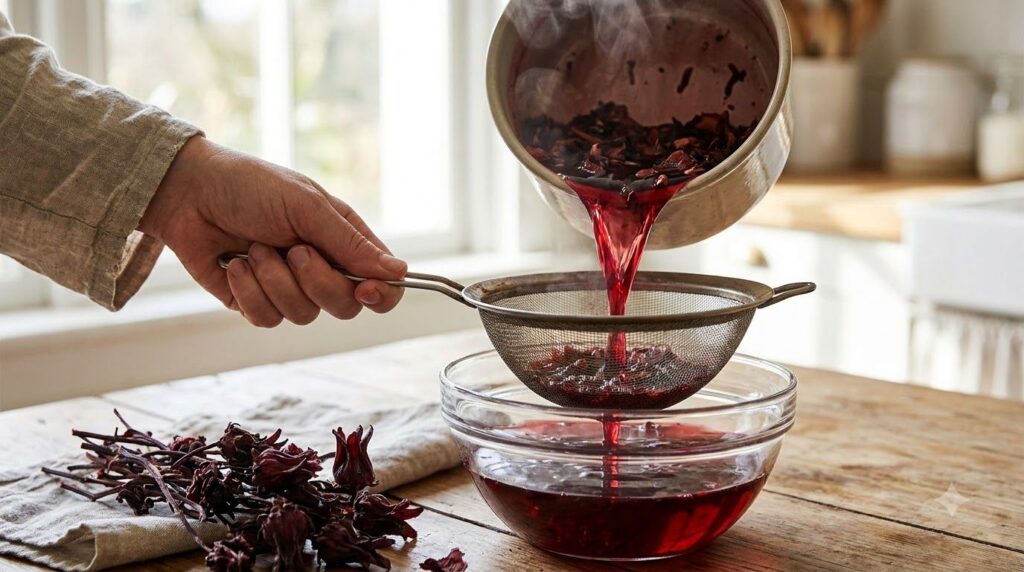 Ensure a fine-mesh sieve is used for a smooth elixir.
For Hibiscus-Infused Hair Oil:
- Preparation: Wash and finely chop the fresh hibiscus flowers, leaves, and curry leaves. If using dried hibiscus, no chopping is needed. Lightly crush black cumin seeds.
- Combine and Heat: In a heavy-bottomed pan, combine the chopped/dried hibiscus, curry leaves, and crushed black cumin seeds with 1 cup of your chosen carrier oil.
- Slow Infusion: Heat the mixture on very low heat. Do not let it boil vigorously. Allow it to simmer gently for 20-30 minutes. You’ll notice the oil changing color and aroma. The goal is to infuse the oil without frying the herbs.
- Cool: Remove from heat and let the oil cool down completely, ideally allowing the herbs to steep in the oil for several hours or even overnight to maximize infusion.
- Strain: Strain the infused oil through a fine-mesh sieve or cheesecloth into a clean, dry glass bottle. Squeeze the solids to extract all the infused oil. Discard the solids.
How to Use
Water-Based Hibiscus Hair Rinse:
After shampooing and conditioning your hair, pour the cooled hibiscus rinse over your scalp and hair. Gently massage it in for a minute or two. You can rinse it out after 5-10 minutes, or for extra conditioning, leave it in. It works best as a final rinse.
Hibiscus-Infused Hair Oil:
Part your hair and apply the infused oil directly to your scalp using your fingertips or a dropper. Gently massage in circular motions for 5-10 minutes to stimulate blood circulation. Work the oil down to the ends of your hair. Leave it on for at least 30 minutes, or overnight for a deeper treatment, then wash your hair with a mild shampoo.
How Often to Use
- Water-Based Rinse: 2-3 times a week, especially after each hair wash.
- Oil Infusion: 1-2 times a week as a pre-shampoo treatment or overnight mask.
How to Buy / How to Choose Ingredients
- Hibiscus: Look for fresh, vibrant flowers and leaves at local markets or grow your own. If buying dried, ensure it’s food-grade or specifically for herbal use, and organic to avoid pesticides.
- Curry Leaves: Fresh curry leaves are best and can often be found in Asian or Indian grocery stores.
- Black Cumin Seeds: Purchase from reputable spice stores, ensuring they are whole and have a strong, characteristic aroma.
- Carrier Oils: Opt for cold-pressed, unrefined oils. Organic varieties are preferable for purity.
Storage
- Water-Based Rinse: Store the hibiscus rinse in an airtight bottle in the refrigerator for up to 5-7 days. Discard if you notice any changes in smell or appearance.
- Oil Infusion: Store the infused oil in a dark glass bottle in a cool, dark place for up to 3-6 months. Direct sunlight and heat can degrade the oil and herbs.
Did You Know?
The mucilage (a gel-like substance) in hibiscus flowers and leaves acts as a natural conditioner, making hair soft and manageable without weighing it down. This is why it’s often called ‘nature’s conditioner.’
Practical Tips
- Patch Test: Always perform a patch test on a small area of skin before applying any new remedy to your entire scalp to check for allergic reactions.
- Consistency is Key: Natural remedies work best with consistent use over time. Don’t expect immediate overnight results.
- Warm Oil Treatment: Lightly warm the infused oil before applying for better scalp penetration and a more relaxing experience.
- Combine with Scalp Massage: Regular scalp massages, with or without the oil, can significantly improve blood circulation to hair follicles, promoting growth.
- Adjust to Hair Type: If you have very oily hair, you might prefer the water-based rinse or use less oil. For dry hair, the oil infusion will be more beneficial.
Common Mistakes
- Boiling the Oil Too High: Heating carrier oil to a very high temperature can destroy the beneficial compounds of the herbs and the oil itself. Always use very low heat.
- Using Sprayed Plants: If harvesting hibiscus from your garden or buying from a non-organic source, ensure the plants haven’t been treated with pesticides or harsh chemicals.
- Not Straining Properly: Leaving tiny particles of herbs in your rinse or oil can lead to residues in your hair or reduce shelf life. Use a very fine sieve or cheesecloth.
- Incorrect Storage: Improper storage, especially for the water-based rinse, can lead to spoilage and bacterial growth. Always refrigerate the rinse.
- Expecting Instant Results: Natural remedies require patience. Be consistent and give your hair time to respond.
Cautions / Who Should Avoid It
While generally safe for external use, a few precautions are advisable:
- Allergies: If you have known allergies to hibiscus, curry leaves, or black cumin seeds, avoid using this remedy.
- Sensitive Skin: Perform a patch test first, especially if you have a sensitive scalp.
- Open Wounds: Do not apply to open cuts or sores on the scalp.
- Pregnancy/Breastfeeding: Consult with a healthcare professional before using new herbal remedies, especially during pregnancy or while breastfeeding.
Quick Summary
- Best Preparation: Choose water-based rinse for a light, frequent treatment; oil infusion for deep conditioning and scalp nourishment.
- Key Ingredients: Hibiscus (flowers & leaves), curry leaves, black cumin seeds, carrier oil or water.
- Best Use-Case: Promotes hair growth, strengthens strands, adds shine, and conditions hair naturally.
- Storage: Rinse: Refrigerate for up to 7 days. Oil: Cool, dark place for 3-6 months.
- When to Use: Rinse 2-3 times/week after shampoo; Oil 1-2 times/week as pre-shampoo or overnight.
- What to Avoid: High heat for oil infusion, pesticide-laden plants, improper straining/storage, expecting instant results.
FAQ
- Can I use only hibiscus flowers, or do I need the leaves too? Both flowers and leaves contain beneficial compounds. Using both will provide a more comprehensive treatment.
- Is it okay to use dried hibiscus instead of fresh? Yes, dried hibiscus is a good alternative and is often more readily available. Adjust quantities as needed.
- How long does the water-based rinse last? The water-based rinse should be stored in the refrigerator and used within 5-7 days.
- Can I warm the infused oil before application? Yes, gently warming the oil can enhance absorption and provide a soothing sensation. Do not overheat.
- Will this remedy change my hair color? Hibiscus can impart a slight reddish tint to very light or gray hair with prolonged use, but it is generally not a permanent dye for darker hair.
- Can I add other essential oils to the infused hair oil? Yes, you can add a few drops of essential oils like rosemary, peppermint, or lavender after the oil has cooled for added benefits and fragrance.
- What if I don’t have black cumin seeds or curry leaves? While these enhance the elixir, you can still make an effective hibiscus-only remedy. The primary benefits will still come from the hibiscus.
- Is this safe for all hair types? Yes, it is generally safe for all hair types. Adjust the type of carrier oil to suit your specific needs (e.g., lighter oils for fine hair, richer oils for dry hair).
Conclusion
Incorporating hibiscus into your hair care routine is a simple yet effective way to tap into nature’s profound remedies. By following this detailed guide, you can craft a potent elixir that supports healthier, stronger, and more lustrous hair using ingredients readily available. Remember, patience and consistency are your best allies on this natural beauty journey. Embrace the vibrant power of hibiscus and give your hair the nourishment it deserves.