Most people ignore the vibrant Amaranth plant, often seeing it as merely an ornamental garden resident or a minor grain. What many skip, however, is the profound wellness power hidden in both its nutritious leaves and versatile seeds. This isn’t just another pretty face in the plant world; Amaranth holds a rich history of use in traditional remedies, and for good reason. It’s time to look beyond the garden bed and uncover how this ancient plant can become a modern staple in your natural health routine.
This guide cuts through the common misconceptions and dives into the practical ways you can harness Amaranth’s benefits, focusing on specific preparations and uses that actually work. No vague theories, just actionable steps to integrate this powerhouse into your life.
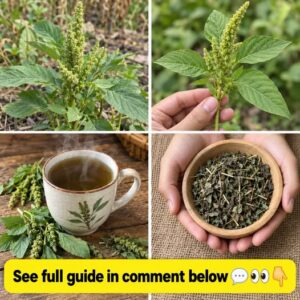
What is Amaranth?
Amaranth refers to a group of approximately 70 species of plants, many of which are cultivated as leafy vegetables, cereals, or ornamental plants. Originating in Mesoamerica, it was a staple crop for the Aztecs and Incas. Both the leaves and the seeds are edible and highly nutritious. The leaves are rich in vitamins A, C, and K, as well as minerals like iron and calcium, while the seeds are a complete protein source, offering all nine essential amino acids, fiber, and important micronutrients like magnesium and phosphorus.
The Power of Amaranth Leaves: A Focus on Practical Remedies
While the seeds are celebrated for their nutritional density, Amaranth leaves often take center stage in traditional remedy preparations. They can be used fresh or dried to make teas, poultices, or added to meals for their specific health-supporting properties. Our focus here will be on a simple, effective Amaranth leaf tea.
Ingredients for Amaranth Leaf Tea
- Fresh Amaranth leaves OR Dried Amaranth leaves
- Water (filtered is best)
Approximate Measurements
- For Fresh Leaves: 1/2 cup lightly packed, chopped fresh Amaranth leaves
- For Dried Leaves: 1-2 tablespoons dried Amaranth leaves
- Water: 2 cups (approximately 500ml)
Formula / Recipe: Amaranth Leaf Tea
This simple tea can be a soothing and nutrient-rich addition to your routine, particularly noted for its potential to support digestion and provide a gentle nutrient boost. The method is straightforward, ensuring you extract the beneficial compounds without over-processing.
Step-by-Step Method
- Preparation: If using fresh leaves, thoroughly wash them under cool running water. Pat dry and chop them roughly. If using dried leaves, no additional preparation is needed.
- Heat Water: Bring 2 cups of filtered water to a boil in a small saucepan.
- Combine: Once the water boils, remove it from the heat. Add the chopped fresh Amaranth leaves or dried Amaranth leaves to the hot water.
- Steep: Cover the saucepan with a lid and let the leaves steep for 10-15 minutes. Steeping allows the beneficial compounds to infuse into the water.
- Strain: Strain the tea into a mug using a fine-mesh sieve, discarding the spent leaves.
- Serve: Enjoy your Amaranth leaf tea warm. You may add a touch of honey or lemon if desired, but it’s best to taste it plain first.
How to Use
This Amaranth leaf tea is primarily intended for internal consumption. It’s a gentle way to incorporate the plant’s nutrients into your diet. For topical uses, a stronger infusion or poultice might be considered, but for general wellness, drinking the tea is ideal.
How Often to Use
For general wellness support, drinking 1-2 cups of Amaranth leaf tea per day is a good starting point. You can enjoy it in the morning or evening. Consistency is key for experiencing potential benefits over time.
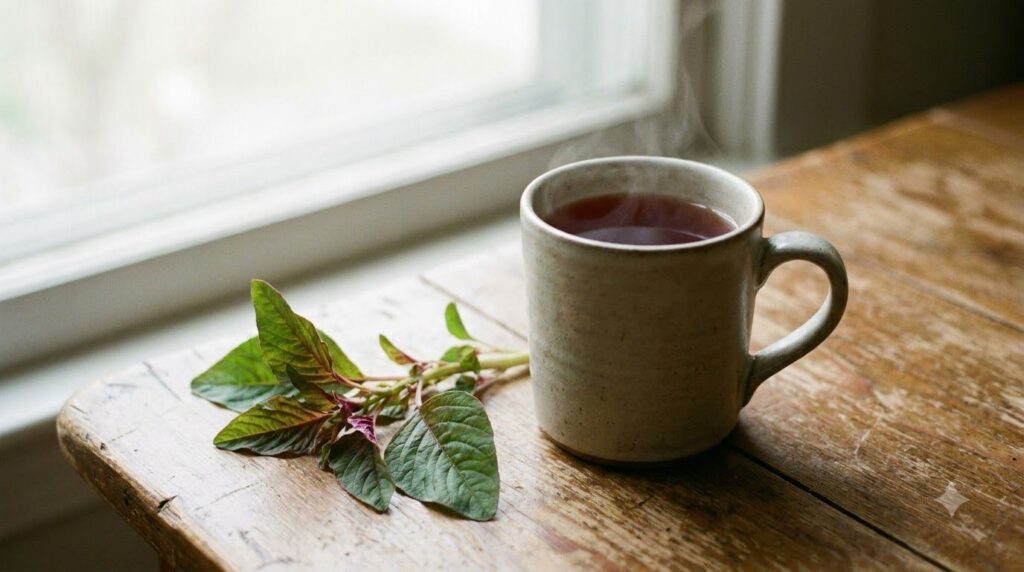
Quick Tip: Fresh vs. Dried Amaranth Leaves
Both fresh and dried Amaranth leaves are effective for making tea, but there are subtle differences:
| Feature | Fresh Amaranth Leaves | Dried Amaranth Leaves |
|---|---|---|
| Potency | Often milder flavor, but retains full spectrum of fresh nutrients. | More concentrated flavor and potency due to water removal. |
| Availability | Seasonal, requires a garden or local market. | Available year-round, can be stored for longer. |
| Preparation | Requires washing and chopping. | Ready to use, simply measure. |
| Storage | Refrigerate for a few days in a plastic bag or container. | Store in an airtight container in a cool, dark place for up to 1 year. |
How to Buy / How to Choose Ingredients
Fresh Amaranth Leaves: Look for vibrant green or reddish-purple leaves that are firm and free from wilting, yellowing, or holes. Farmers’ markets and Asian or Latin American grocery stores are good sources. If growing your own, ensure it’s in clean soil, free from pesticides.
Dried Amaranth Leaves: Purchase from reputable herbal suppliers to ensure quality and purity. The leaves should retain some of their natural color and have a fresh, earthy aroma. Avoid anything that looks dusty, discolored, or has an off smell.
Storage
Fresh Amaranth Leaves: Store unwashed leaves in a loosely sealed plastic bag in the refrigerator’s crisper drawer for 3-5 days. Wash just before use.
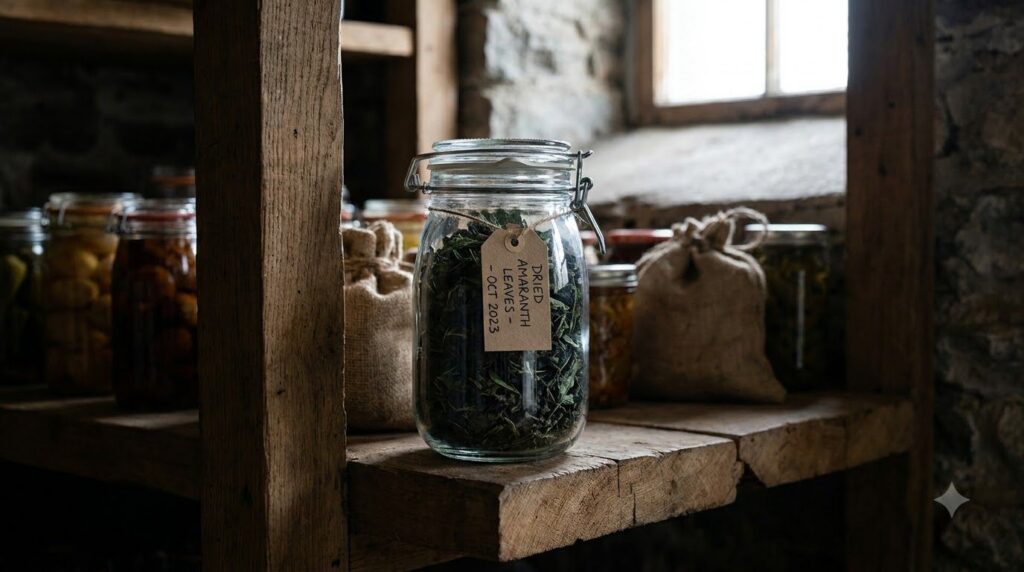
Dried Amaranth Leaves: Keep dried leaves in an airtight glass jar or container, away from direct sunlight and heat. They can maintain potency for up to a year.
Prepared Amaranth Tea: The tea is best consumed fresh. If you have leftovers, store them in a covered container in the refrigerator for up to 24 hours. Reheat gently, but ideally, make a fresh batch each time.
Practical Tips
- Source Matters: Always prioritize organically grown Amaranth, whether fresh or dried, to avoid pesticide residues.
- Taste Customization: If the earthy taste is strong for you, blend Amaranth leaves with other mild herbs like peppermint or lemon balm, or add a slice of fresh ginger.
- Don’t Waste: After making tea, the steeped leaves can sometimes be added to smoothies or composted.
- Beyond Tea: Amaranth leaves can also be lightly steamed or sautéed like spinach. Amaranth seeds can be cooked as a grain or popped like popcorn for a nutritious snack.
Common Mistakes
- Using Sprayed Plants: Harvesting Amaranth from roadside or unknown sources risks pesticide or pollutant contamination. Always know your source.
- Boiling Too Long: Over-boiling the leaves can diminish their nutrient content and create a more bitter taste. Steeping in hot water (not boiling) after removing from heat is ideal.
- Improper Storage: Leaving fresh leaves to wilt or dried leaves exposed to air and light will significantly reduce their potency and shelf life.
- Ignoring Body Signals: While generally safe, pay attention to how your body reacts. If you notice any discomfort, reduce frequency or stop use.
Cautions / Who Should Avoid It
Amaranth is generally considered safe for most people when consumed in moderate amounts. However, some considerations include:
- Oxalates: Amaranth leaves contain oxalates, which can interfere with calcium absorption and may be a concern for individuals prone to kidney stones. Cooking significantly reduces oxalate levels.
- Allergies: Though rare, some individuals may have an allergic reaction to Amaranth. Discontinue use if you experience adverse effects.
- Pregnancy and Breastfeeding: While considered safe as a food, consult with a healthcare professional before using Amaranth as a concentrated remedy during pregnancy or breastfeeding.
- Medication Interactions: If you are on medication, especially for blood thinners or blood sugar regulation, discuss with your doctor before incorporating significant amounts of Amaranth into your diet or using it as a regular remedy.
Remember, Amaranth is a food and a traditional support herb, not a replacement for medical treatment.
Quick Summary
- Best Preparation: Amaranth Leaf Tea for internal wellness.
- Best Use-Case: Daily nutrient boost, digestive support.
- Storage: Fresh leaves refrigerated (3-5 days); Dried leaves in airtight container, cool dark place (up to 1 year).
- When to Use: 1-2 cups daily, morning or evening.
- What to Avoid: Unidentified or sprayed plants, over-boiling, improper storage.
FAQ
- Can I use fresh or dried Amaranth leaves for tea? Both are suitable. Fresh leaves offer a milder taste and immediate nutrients, while dried leaves are more concentrated and convenient for storage.
- How long does Amaranth tea last? Best consumed fresh. Leftovers can be refrigerated for up to 24 hours, but potency may decrease.
- What part of the Amaranth plant is best for tea? The leaves are traditionally used for tea and their specific remedial properties.
- Can I reuse the leaves for another batch of tea? It’s not recommended. The beneficial compounds are largely extracted during the first steep, resulting in a much weaker second brew.
- Does cooking Amaranth leaves reduce their benefits? Cooking, especially steaming or light sautéing, reduces oxalate content, making some nutrients more bioavailable, though some heat-sensitive vitamins might decrease slightly.
- Can Amaranth seeds also be used for remedies? While highly nutritious, Amaranth seeds are primarily consumed as a complete protein grain rather than a specific remedy ingredient like the leaves for tea.
- When should I avoid Amaranth? Individuals with kidney stones (due to oxalates) or known allergies should exercise caution. Always consult a doctor if you have underlying health conditions or are on medication.
Conclusion
Amaranth is far more than just a garden curiosity or an ancient grain; it’s a versatile plant brimming with practical wellness potential. By understanding how to properly prepare and use its leaves as a simple tea, you can easily tap into its rich nutrient profile and traditional benefits. Incorporating Amaranth into your daily routine is a tangible step towards holistic well-being, proving that sometimes, the most overlooked plants hold the most surprising power.
Read more: DIY Herbal Poultices: A Guide to Natural Relief
You may also like: The Health Benefits of Moringa Tea
