Most people focus on the vibrant leaves and fragrant flowers of plants, often overlooking the true power source that lies hidden beneath the soil. Yet, for centuries, traditional herbalists have valued the potent properties locked within certain plant roots. One small preparation mistake, however, can completely diminish the effectiveness of this incredible botanical. This guide will walk you through transforming a humble plant root into a revitalizing daily remedy, ensuring you unlock its full potential without common pitfalls.
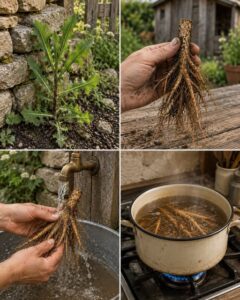
What It Is: The Botanical Root Blend
Our focus today is a versatile botanical root, the kind known for its grounding properties and often used to create nourishing decoctions or tonics. This isn’t about a specific, named root but rather the universal principles of preparing any suitable plant root for wellness. Think of fibrous or starchy roots commonly found in nature or specialized health stores that are suitable for internal use. When prepared correctly, these roots yield a rich, earthy liquid packed with beneficial compounds that support overall well-being.
Ingredients for Your Daily Root Remedy
Creating this botanical blend is simpler than you might imagine, requiring just a few key components:
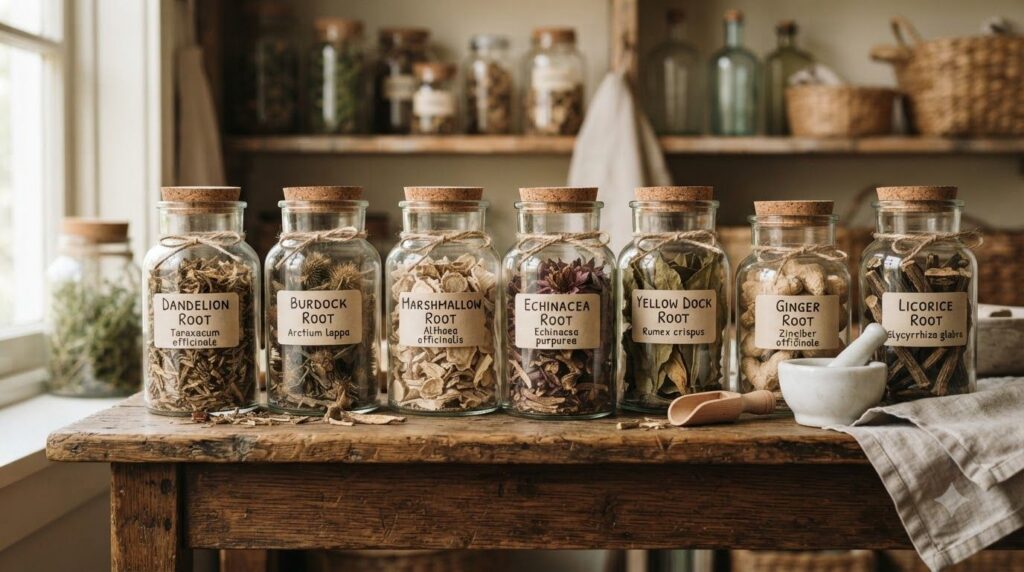
- Botanical Root: Choose a clean, healthy root. This could be a traditional wellness root like ginger, turmeric, dandelion, burdock, or any other root you know to be safe and beneficial for internal use. Fresh or dried roots work, but preparation methods vary slightly.
- Filtered Water: Essential for a pure and effective decoction.
- Optional Enhancers: A slice of lemon, a teaspoon of honey, or a pinch of cinnamon can enhance flavor and provide additional benefits, but these are entirely optional.
Approximate Measurements
For a single serving of your daily root remedy, aim for these general measurements:
- Fresh Root: 1-2 inches (2.5-5 cm) of root, sliced or grated.
- Dried Root: 1-2 teaspoons of dried, cut, or powdered root.
- Filtered Water: 2 cups (approximately 500ml).
- Optional Enhancers: To taste.
Formula / Recipe: The Root Decoction
The most effective way to extract the potent compounds from a plant root is through a decoction – a method of simmering the root in water. This allows for the release of tough-to-extract components that a simple infusion (like tea) might miss.
Step-by-Step Method
- Prepare the Root: If using fresh root, thoroughly wash and scrub it to remove any dirt. You can peel it, or leave the peel on if it’s organic and clean, as many nutrients are just beneath the skin. Slice or grate the root into small pieces to maximize surface area. If using dried root, simply measure it out.
- Combine Ingredients: Place the prepared root pieces (fresh or dried) into a small, non-reactive saucepan. Add 2 cups of filtered water.
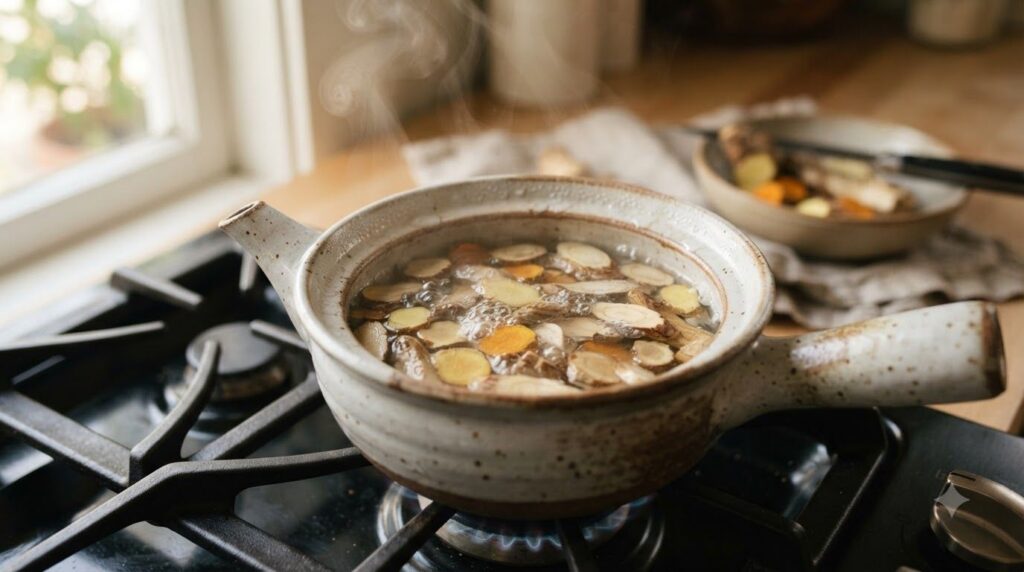
- Simmer: Bring the mixture to a gentle boil, then reduce the heat to a simmer. Cover the saucepan loosely to prevent too much water from evaporating.
- Decoct: Allow the root to simmer for 15-30 minutes. Tougher, more fibrous roots may require longer simmering times (up to 45 minutes) to fully extract their compounds. The water will likely change color and develop a distinct aroma.
- Strain: Remove the saucepan from the heat. Carefully strain the liquid into a mug or heat-proof container using a fine-mesh sieve or cheesecloth. Discard the spent root material.
- Serve: Allow the decoction to cool slightly. Add optional enhancers like lemon or honey if desired.
Quick Tip: Maximize Extraction
For really tough roots, consider soaking the chopped pieces in the water for an hour or two before simmering. This can help soften the plant material and aid in the extraction process, leading to a more potent decoction.
How to Use Your Root Remedy
This root decoction is typically consumed as a warm beverage. It’s often enjoyed plain for its earthy flavor or with mild additions. You can also let it cool and drink it at room temperature, or even chilled, especially during warmer months. It can be a soothing drink before bed or a gentle pick-me-up in the morning.
How Often to Use
For general wellness, consuming 1-2 cups of this root remedy per day is common. It’s advisable to start with a smaller amount and observe how your body responds. As with any natural remedy, consistency is often key to experiencing its subtle benefits.
How to Buy / How to Choose Ingredients
The quality of your root makes a significant difference. Here’s how to choose wisely:
- Fresh Roots: Look for firm, unblemished roots without soft spots, mold, or excessive dryness. The skin should be intact, and the root should feel heavy for its size. Source from organic growers if possible to avoid pesticides.
- Dried Roots: Purchase from reputable herbal suppliers. Ensure the dried root pieces are uniformly cut, free from dust or debris, and have a natural aroma. Avoid any that smell stale or musty.
Storage
Proper storage ensures the potency and safety of your ingredients and prepared remedy:
- Fresh Roots: Store unwashed fresh roots in a paper bag in the crisper drawer of your refrigerator for up to 1-2 weeks.
- Dried Roots: Keep dried roots in airtight containers (glass jars are ideal) in a cool, dark, dry place. They can last for 6 months to 1 year, depending on the root.
- Prepared Decoction: Once prepared, the decoction should be stored in an airtight container in the refrigerator and consumed within 2-3 days.
Practical Tips
- Batch Prep: Make a larger batch of the decoction (2-3 days’ worth) and store it in the refrigerator to save time. Simply reheat or drink chilled.
- Experiment with Roots: Once you master the technique, try different wellness roots to discover what works best for your body and taste preferences.
- Compost the Pulp: Don’t throw away the strained root pulp! It can be added to your compost pile, returning its nutrients to the earth.
Did You Know? Fresh vs. Dried Roots
While both fresh and dried roots can be used, their concentrations and water content differ significantly. Dried roots are often more potent by weight because the water has been removed. However, fresh roots may offer certain volatile compounds that are lost during the drying process. The table below outlines some key differences:
| Feature | Fresh Root | Dried Root |
|---|---|---|
| Potency | May contain certain volatile compounds, higher water content. | More concentrated by weight, longer shelf life. |
| Preparation | Requires washing, scrubbing, slicing; often needs longer simmer time. | Ready to use; may require less simmer time due to smaller pieces. |
| Storage | Perishable; lasts 1-2 weeks refrigerated. | Longer shelf life (6-12 months) in airtight containers. |
| Flavor | Often more vibrant and pungent. | Can be earthier, sometimes milder. |
Common Mistakes
- Boiling too vigorously: A hard boil can degrade some delicate compounds. A gentle simmer is best.
- Not simmering long enough: Roots are tough. A quick steep won’t extract their full benefits. Give it time.
- Using sprayed plants: Always ensure your roots come from a clean, unsprayed source, especially if foraging or buying from non-organic sources.
- Improper storage of dried roots: Exposure to light, air, or moisture can quickly degrade their potency.
- Ignoring quality: Using roots that are moldy, discolored, or dried out beyond their useful life.
Cautions / Who Should Avoid It
While many plant roots are safe for general consumption, it’s crucial to exercise caution:
- Identification: Never forage for roots unless you are 100% certain of the plant’s identification. Misidentification can lead to consuming toxic plants.
- Pregnancy/Breastfeeding: If pregnant or breastfeeding, consult a healthcare professional before consuming any new herbal remedy.
- Medication Interactions: Certain roots can interact with medications (e.g., blood thinners, diabetes medications). Consult your doctor or pharmacist if you are on prescription drugs.
- Allergies: If you have known allergies to certain plants, avoid roots from the same botanical family.
- Underlying Health Conditions: Individuals with specific health conditions (e.g., kidney disease, liver issues) should seek medical advice.
Quick Summary
This botanical root remedy, prepared as a decoction, is an excellent way to harness the natural power of underground plant parts. It’s best made by simmering fresh or dried root pieces in filtered water for 15-45 minutes. Consume 1-2 cups daily. Store fresh roots in the fridge, dried roots in airtight containers, and prepared decoction in the fridge for up to 3 days. Always ensure you source high-quality, clean roots and be mindful of potential cautions.
FAQ
- Can I use powdered root instead of sliced root? Yes, you can, but powdered root can be harder to strain completely. Use a very fine mesh or coffee filter.
- How long does the prepared decoction last? Stored in an airtight container in the refrigerator, it lasts for 2-3 days.
- Can I reuse the root pieces for another batch? While some active compounds might remain, the potency will be significantly reduced. It’s generally recommended to use fresh root for each batch.
- What’s the difference between a decoction and an infusion? A decoction involves simmering tougher plant parts (like roots, bark) in water, while an infusion involves steeping more delicate parts (like leaves, flowers) in hot water.
- Can I add other herbs to this blend? Yes, once you’re comfortable with the basic preparation, you can experiment with complementary herbs. Always research compatibility and safety.
- Is it necessary to peel fresh roots? For many roots, peeling is optional, especially if organic and thoroughly cleaned. Many nutrients are just beneath the skin.
- What time of day is best to drink this remedy? It can be enjoyed any time of day. Some prefer it in the morning for a gentle start, others in the evening for winding down.
Conclusion
The hidden power within plant roots offers a profound pathway to natural wellness. By understanding the simple, practical steps outlined in this guide, you can confidently prepare your own botanical root remedy. It’s a rewarding journey that connects you more deeply with the earth’s natural offerings, turning an often-overlooked ingredient into a staple for your daily health routine. Embrace the art of the decoction and discover the enduring benefits of these underground treasures.
You may also like: How to Make a Soothing Herbal Infusion
Read more: DIY Immune-Boosting Ginger Tonic
Continue with: The Benefits of Dandelion Root for Detox