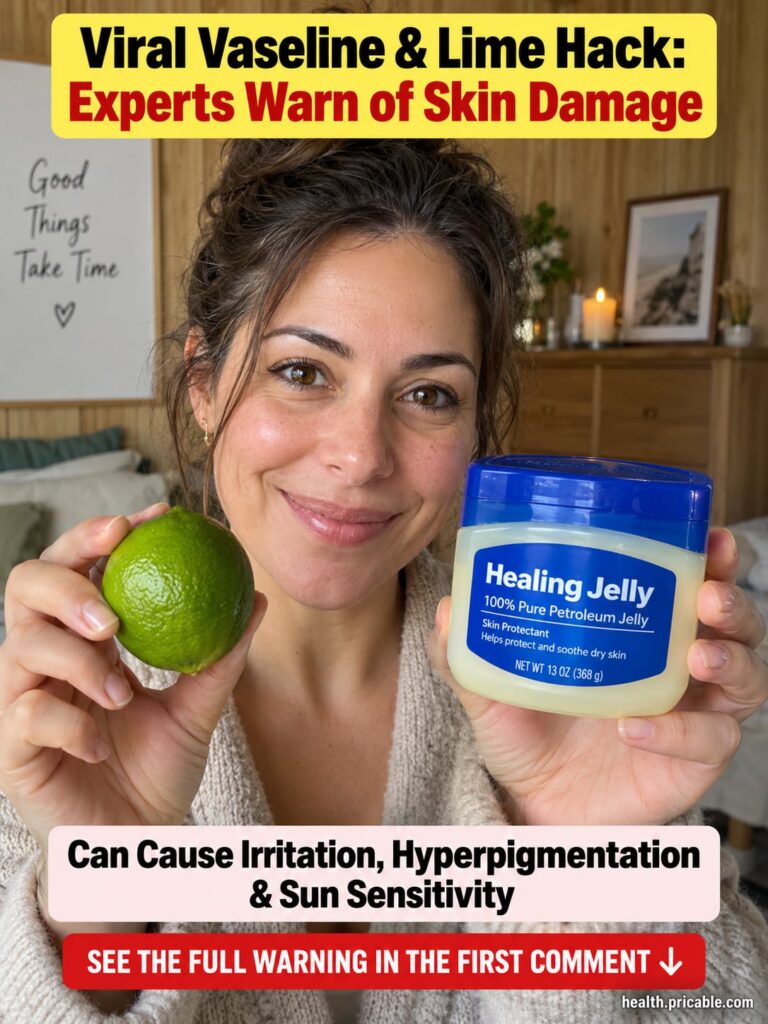
The internet is buzzing with a trend mixing Vaseline and lime for skin benefits, but experts are issuing strong warnings about potential harm.
While DIY beauty can be wonderfully empowering, it’s crucial to distinguish between helpful home remedies and potentially damaging trends. The viral Vaseline and lime hack, popular on social media for claims of brighter, smoother skin, is one such trend that dermatologists caution against due to significant skin damage risks.
Why Experts Warn Against the Vaseline and Lime Hack
Dermatologists and skin care professionals strongly advise against applying lime juice directly to the skin, especially when mixed with occlusive ingredients like Vaseline. Here’s why:
- Phototoxicity: Lime juice contains compounds called furocoumarins. When these come into contact with the skin and are exposed to sunlight, they can cause a severe reaction known as phytophotodermatitis. This manifests as painful burns, blisters, and often, long-lasting hyperpigmentation (dark spots).
- Irritation and Chemical Burns: The high acidity of lime juice can irritate the skin, disrupt its natural barrier, and even lead to chemical burns, particularly on sensitive areas of the face or if left on for extended periods.
- Exacerbated Damage with Vaseline: While Vaseline itself is a safe, occlusive moisturizer that can help heal dry or compromised skin, mixing it with an irritant like lime juice can trap the harmful acids against the skin, intensifying the negative effects and increasing the risk of severe damage.
- Hyperpigmentation: Even without immediate burns, using lime on the skin can trigger post-inflammatory hyperpigmentation, leaving stubborn dark spots that can take months or even years to fade.
Quick Recipe: Safe & Soothing DIY Hydrating Mask (Instead of Harmful Hacks)
If you’re looking for natural ways to hydrate and brighten your skin, opt for gentle, nourishing ingredients that support your skin barrier, rather than compromise it. This mask offers soothing hydration and can help promote a healthy-looking glow.
Prep time: 5 minutes
Best for: Dry, dull, or sensitive skin looking for hydration and a gentle glow.
Use type: Mask
Main ingredients:
- Plain Yogurt
- Honey
- Oatmeal (finely ground)

Ingredients
- 2 tablespoons plain, unsweetened yogurt (full-fat is great for extra moisture)
- 1 teaspoon raw honey
- 1 tablespoon finely ground oatmeal (you can use a coffee grinder or food processor)
How to Make It
- In a small, clean bowl, combine the yogurt, honey, and ground oatmeal.
- Mix thoroughly until you have a smooth, consistent paste.
- Ensure there are no large lumps of oatmeal. If it’s too thick, add a tiny bit more yogurt. If too thin, add a pinch more oatmeal.
How to Use It
- Start with clean, dry skin. You can gently steam your face beforehand to open pores, though this is optional.
- Using clean fingertips or a soft, flat brush, apply an even layer of the mask to your face, avoiding the delicate eye area and lips.
- Relax and let the mask sit for 10-15 minutes.
- Rinse off thoroughly with lukewarm water, gently massaging in circular motions as you remove it to provide light exfoliation from the oatmeal.
- Pat your skin dry with a clean towel and follow with your favorite moisturizer.
How Often to Use It
This hydrating mask can be used 1-2 times per week to support skin hydration and a healthy glow. Listen to your skin and adjust frequency as needed.
Why These Ingredients Are Used
Plain Yogurt
Yogurt contains lactic acid, a mild alpha hydroxy acid (AHA) that can help gently exfoliate the skin, promoting a smoother-looking complexion. It also contains probiotics that may support a healthy skin microbiome and provide soothing benefits.
Raw Honey
Honey is a natural humectant, meaning it draws moisture from the air into the skin, helping to keep it hydrated and supple. It’s also known for its traditional soothing properties, making it excellent for skin that needs a little extra care.
Finely Ground Oatmeal
Oatmeal is renowned for its calming and anti-inflammatory properties. When ground, it can provide gentle physical exfoliation while also helping to soothe irritated skin and reinforce the skin’s moisture barrier.

What Results to Expect
After using this mask, your skin may feel softer, appear more hydrated, and look refreshed. Regular use can support a more radiant-looking complexion and improve the appearance of dryness or dullness.
Safety Notes
- Patch test first: Always apply a small amount of any new topical remedy to a discreet area of your skin (like behind the ear or on your inner forearm) and wait 24 hours to check for any adverse reactions before applying it to your face.
- Use gently: Be gentle when applying and removing masks, especially around sensitive areas.
- Avoid irritated or broken skin: Do not apply masks to skin that is cut, abraded, or otherwise irritated.
- Stop using if discomfort occurs: If you experience any redness, itching, burning, or discomfort, rinse off the mask immediately.
- Citrus caution: Remember, citrus fruits like lime can cause severe skin reactions, especially when exposed to the sun. Always avoid direct application of highly acidic ingredients to your skin.
- Consult a professional: If you have persistent skin concerns or are unsure about any DIY remedy, it’s always best to consult with a dermatologist.
FAQ
Can I use bottled lime juice instead of fresh lime?
No, you should avoid using any form of lime juice on your skin due to the high risk of irritation, burns, and hyperpigmentation, especially with sun exposure. This applies to both fresh and bottled varieties.
Is Vaseline safe for my face?
Yes, Vaseline (petroleum jelly) is generally considered safe and non-comedogenic (won’t clog pores) for most skin types, making it an excellent occlusive moisturizer to help seal in hydration and protect the skin barrier. The danger lies in what you mix it with, not Vaseline itself.
How can I naturally brighten my skin without risks?
For natural brightening, focus on gentle exfoliation (like with mild AHAs in yogurt or papaya), hydration, and ingredients rich in antioxidants (like green tea, turmeric, or vitamin C serums from reputable brands). Always use sun protection daily to prevent dark spots.
Final Thoughts
While the allure of a quick fix for glowing skin is strong, some viral trends carry significant risks. Prioritize your skin’s health by opting for safe, gentle, and nourishing DIY remedies, and always be wary of hacks that promise dramatic results using harsh ingredients. Your skin deserves care, not compromise. Share your favorite safe DIY beauty tips in the comments below!