Imagine holding a hidden gem in your hand, packed with potential wellness benefits, only to toss it away without a second thought. What if that ‘trash’ could actually be a treasure for your health? For many of us, the avocado pit is exactly that—an overlooked part of a beloved fruit, destined for the compost bin. But what if we told you it could be transformed into a simple, nourishing tea with surprising qualities?
You’ll be amazed by the hidden power in something you usually throw away! Join us as we explore how to make a simple, nourishing tea from avocado pits and discover its many benefits for your well-being.
Why This Matters: Don’t Discard Nature’s Potential
In our quest for natural wellness, we often explore exotic ingredients or complex superfoods. Yet, sometimes, the answers lie right in our own kitchens, hidden in plain sight. The growing interest in upcycling food waste and rediscovering traditional remedies has brought the humble avocado pit into the spotlight. People are curious: can something so readily available truly offer health advantages?
This intrigue stems from a desire to utilize nature’s bounty to its fullest and to explore simple, accessible ways to boost well-being without relying solely on pharmaceuticals. While the idea might sound unconventional, a deeper look reveals why this seemingly insignificant seed is sparking conversations among natural health enthusiasts seeking to age well, improve vitality, and prevent common health problems naturally.

Main Educational Content: The Hidden Power of Avocado Pits
The avocado pit, often discarded, contains a wealth of compounds that researchers are beginning to explore. While the fruit itself is celebrated for healthy fats and vitamins, the pit houses a different profile of nutrients.
What’s Inside the Avocado Pit?
- Antioxidants: Avocado pits are rich in phenolic compounds, flavonoids, and proanthocyanidins. These are powerful antioxidants that may help combat oxidative stress in the body.
- Fiber: The pit contains a significant amount of dietary fiber, though most of it remains in the solid form when making tea.
- Fatty Acids: Trace amounts of beneficial fatty acids may also be present.
Traditional Uses vs. Modern Understanding
Historically, various parts of the avocado tree, including the pit, have been used in traditional medicine across different cultures for a variety of ailments. While specific widespread traditional uses for avocado pit tea itself are less documented than for other herbs, the general concept aligns with using natural resources for well-being.
Modern scientific understanding is still emerging. Most studies on avocado pits have been conducted in vitro (in test tubes) or on animals, exploring potential benefits such as:
- Antioxidant Support: Due to their high antioxidant content, avocado pits may help protect cells from damage caused by free radicals.
- Anti-inflammatory Properties: Some research suggests that compounds in avocado pits could possess anti-inflammatory effects.
- Digestive Wellness: The fiber content, though not fully extracted into tea, may contribute to overall gut health if consumed in other forms. The tea itself may offer mild digestive support.
- Cholesterol Balance: Animal studies have indicated that avocado pit extract may help maintain healthy cholesterol levels. However, human research is limited and needed to confirm these effects.
It’s important to note that while these findings are promising, they are not definitive for human health, and more extensive research is required.
Practical Guide: Brewing Your Own Avocado Pit Tea
Making avocado pit tea is a simple, eco-friendly way to explore its potential benefits. The key is proper preparation of the pit.
Ingredients:
- 1 large avocado pit
- 3-4 cups water
- Optional: Honey, lemon, ginger for flavor
Preparation Steps:
- Clean the Pit: After enjoying your avocado, thoroughly wash the pit to remove any remaining fruit flesh.
- Dry the Pit: This is crucial. Air-dry the pit for a few days until it’s completely dry and the outer skin begins to peel or becomes firm. You can also bake it at a low temperature (around 250°F / 120°C) for about 1-2 hours, or until it’s very hard and dry. This step makes it easier to grate and may reduce some of the bitterness.
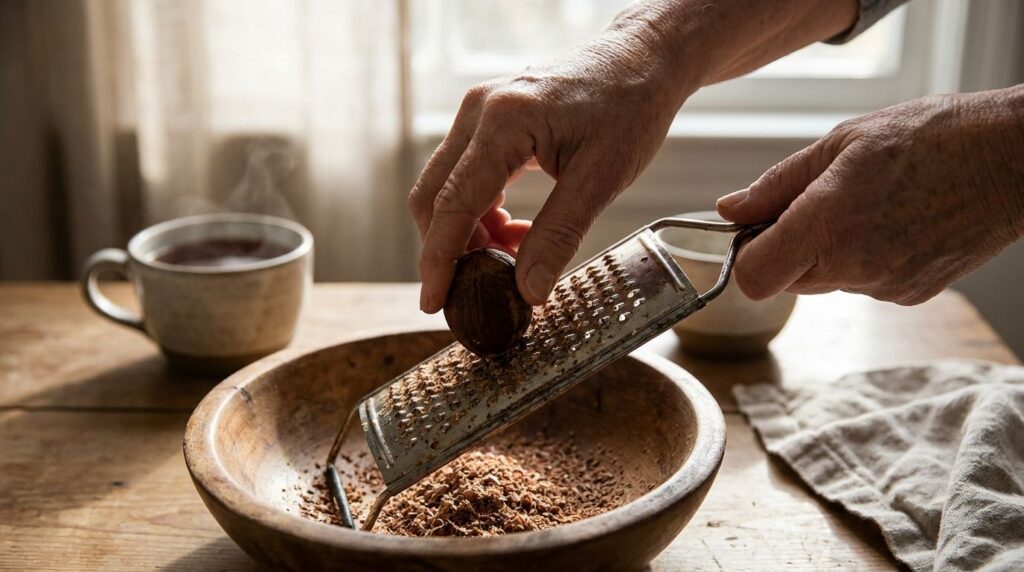
- Grate or Chop: Carefully grate the dried pit using a cheese grater (the finer, the better for extraction) or chop it into small pieces with a strong knife. You’ll get about 2-3 tablespoons of grated pit.
- Brew the Tea: Bring 3-4 cups of water to a boil. Add the grated or chopped avocado pit.
- Simmer: Reduce the heat to low, cover, and let it simmer for 10-15 minutes. For a stronger brew, simmer for up to 30 minutes.
- Strain: Remove from heat and strain the tea into cups, discarding the solids.
- Serve: Enjoy your avocado pit tea warm. You can add a slice of lemon, a touch of honey, or a piece of fresh ginger for enhanced flavor if desired.
Serving Suggestions & Frequency:
- Start with one cup a day to see how your body reacts.
- You can store any leftover tea in the refrigerator for up to 2-3 days.
Safety & Precautions: Important Considerations
While exploring natural remedies like avocado pit tea can be exciting, it’s vital to approach them with caution and awareness. Here’s what you need to know:
- Limited Human Studies: Most research on avocado pits is preliminary and has not been conducted extensively on humans. Therefore, the long-term safety and efficacy of consuming avocado pit tea are not fully established.
- Tannins: Avocado pits contain tannins, which can contribute to a bitter taste. In very large quantities, tannins can sometimes cause digestive upset or interfere with nutrient absorption.
- Persin: Avocados contain a fungicidal toxin called persin. While generally harmless to humans in the fruit, its concentration and effects in the pit, especially when consumed regularly, are not well-researched.
- Who Should Be Cautious:
- Pregnant or Breastfeeding Individuals: Due to lack of sufficient research, it’s best to avoid avocado pit tea during pregnancy and breastfeeding.
- Individuals with Existing Medical Conditions: If you have liver disease, kidney issues, or any other chronic health condition, consult your doctor before trying this tea.
- Those on Medication: The compounds in avocado pits could potentially interact with certain medications. Always consult a healthcare professional.
- Allergies: If you have an avocado allergy, avoid avocado pit tea.
- Moderation is Key: It’s always best to start with small amounts and observe how your body responds. Avoid excessive consumption.
Always prioritize your health and consult a healthcare professional before incorporating new natural remedies into your routine, especially if you have underlying health concerns.
Key Takeaways
- Avocado pits, often discarded, contain beneficial compounds like antioxidants and fiber.
- Traditional uses suggest wellness potential, and preliminary scientific studies show promise for antioxidant and anti-inflammatory effects.
- Making avocado pit tea involves drying, grating, and simmering the pit in water.
- The taste can be earthy and slightly bitter; flavor enhancers like lemon or honey can be added.
- Human studies are limited, so consume with caution and in moderation.
- Pregnant/breastfeeding individuals and those with health conditions should consult a doctor before use.
FAQ: Your Questions Answered
Is avocado pit tea safe to drink?
While preliminary studies show potential benefits, comprehensive human safety studies on regular consumption are limited. It’s best to consume in moderation and consult a healthcare professional, especially if you have existing health conditions or are pregnant/breastfeeding.
What does avocado pit tea taste like?
Avocado pit tea typically has an earthy, slightly bitter, and nutty flavor. The bitterness can be reduced by drying the pit thoroughly and adding natural sweeteners like honey or a squeeze of lemon.
How often can I drink avocado pit tea?
Given the limited research, it’s advisable to start with one cup a day and monitor your body’s reaction. Avoid excessive consumption.
Can I use a fresh avocado pit to make tea?
While possible, drying the pit first is generally recommended. Drying helps reduce bitterness, makes the pit easier to grate, and some believe it may also help reduce certain compounds.
What are the main benefits of avocado pit tea?
Avocado pit tea is traditionally associated with and has shown potential in preliminary studies for its antioxidant and anti-inflammatory properties. It’s believed to support overall wellness, though more human research is needed to confirm these benefits.
Related Reading You Might Enjoy
- The Power of Turmeric: An Anti-Inflammatory Super Spice
- Boosting Your Gut Health Naturally: A Guide to Fermented Foods
- Herbal Teas for Everyday Wellness: Beyond Green and Black
- Eating for Longevity: Foods That Support Healthy Aging
- Natural Remedies for Digestive Comfort