Imagine biting into a sweet potato you grew yourself – fresh, flavorful, and incredibly satisfying! While sweet potatoes might seem like a crop best suited for large fields, the truth is you can easily cultivate them right in your backyard, patio, or even balcony using a simple storage tub. It’s a fun, rewarding project for any home gardener, and we’re here to show you how!
Growing sweet potatoes in containers is an excellent solution for those with limited space or less-than-ideal garden soil. It gives you control over the growing conditions, reduces weed competition, and makes harvesting a breeze. Plus, watching those beautiful vines cascade over the edges of your tub adds a lovely green touch to your outdoor decor.
Why Choose Container Gardening for Sweet Potatoes?
- Space-Saving: Perfect for small yards, patios, or balconies.
- Soil Control: You can create the ideal soil mix for your plants, ensuring good drainage and nutrients.
- Pest Management: Easier to monitor and manage pests compared to in-ground planting.
- Mobility: Move your tubs to optimize sun exposure throughout the day.
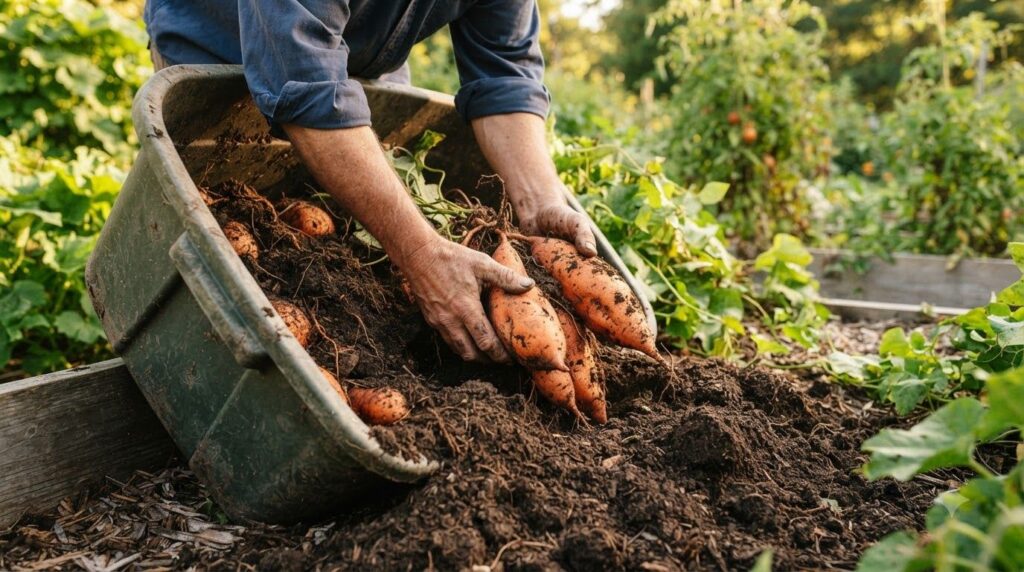
- Easy Harvest: Simply tip the tub to reveal your buried treasures!
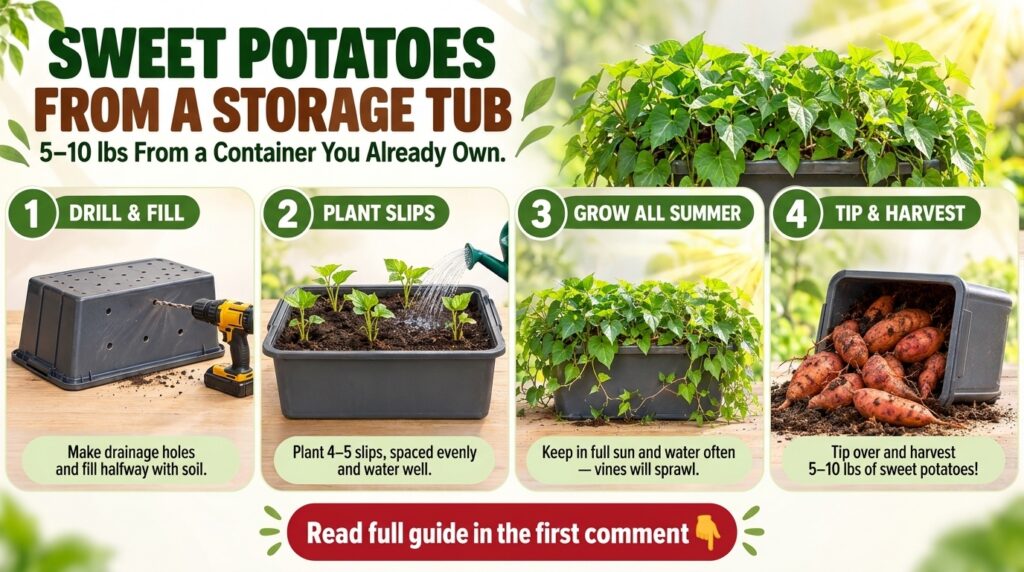
What You’ll Need:
- Large Storage Tub or Container: At least 15-gallon capacity (the bigger, the better for larger yields), opaque to block light.
- Drill: With a large drill bit for drainage holes.
- Potting Mix: A high-quality, well-draining potting mix. Avoid heavy garden soil.
- Sweet Potato Slips: These are sprouts grown from a mature sweet potato. You can buy them or grow your own from a store-bought organic sweet potato.
- Watering Can or Hose: For regular watering.
- Gloves and Trowel: Standard gardening tools.
Step-by-Step Guide to Growing Sweet Potatoes in Tubs
Step 1: Prepare Your Tub for Planting
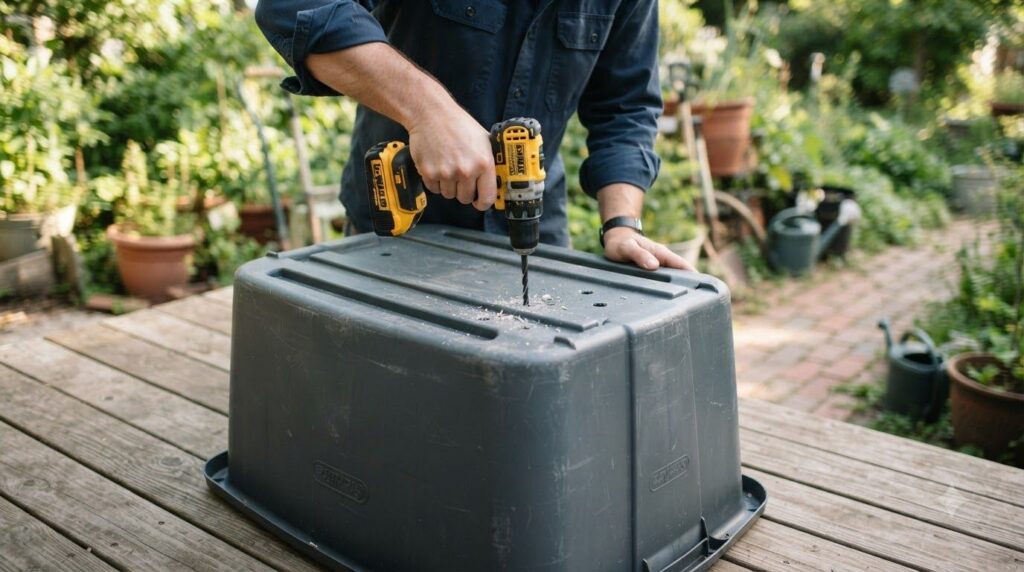
The most crucial step for any container plant is proper drainage. Sweet potatoes love moist soil but hate soggy roots, which can lead to rot. Using your drill, create several 1/2-inch to 1-inch drainage holes in the bottom of your storage tub. Aim for at least 5-8 holes, evenly distributed.
Step 2: Choose and Prepare Your Sweet Potato Slips
Sweet potatoes are grown from slips, which are sprouts that grow from the potato itself. You can easily grow your own: simply suspend a sweet potato (partially submerged in water) using toothpicks in a jar, and wait for sprouts to form. Once the sprouts are about 6-8 inches long, gently twist them off the potato. Place the slips in a jar of water for a few days to root before planting. Alternatively, you can purchase healthy slips from a garden center or online supplier.
Step 3: Fill Your Tub and Plant the Slips
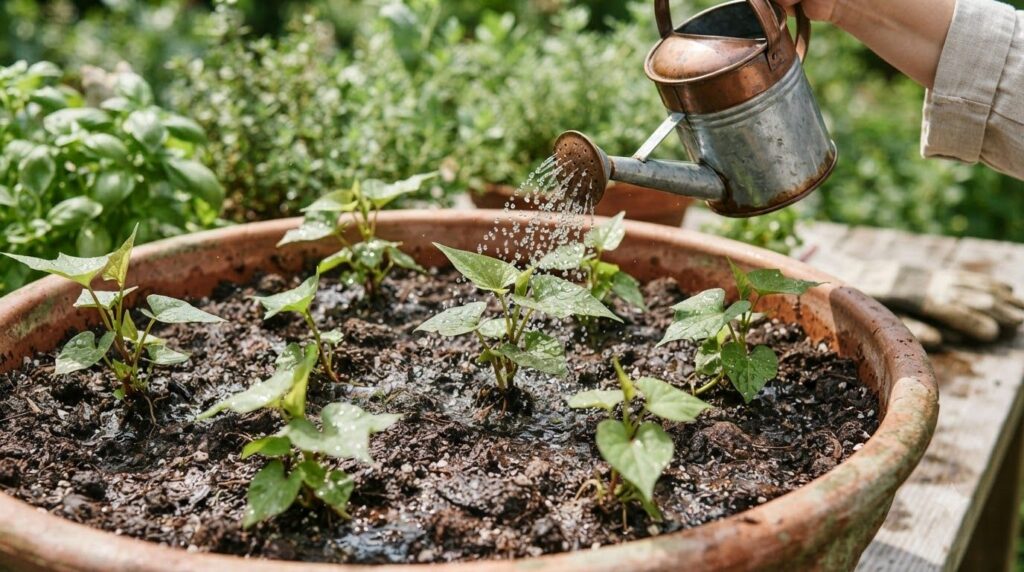
Fill your prepared tub with a good quality, loose, well-draining potting mix, leaving about 2-3 inches of space from the rim. Make sure the soil is slightly moist. Dig small holes about 10-12 inches apart. Gently place each sweet potato slip into a hole, burying it deep enough so that only the top few leaves are exposed above the soil line. For a standard 15-20 gallon tub, you can plant 2-3 slips.
Step 4: Initial Watering and Sun Exposure
After planting, water the slips thoroughly until water drains from the bottom of the tub. This helps settle the soil around the roots. Place your tub in a location that receives at least 6-8 hours of full sunlight per day. Sweet potatoes are sun-loving plants and need plenty of warmth to thrive.
Step 5: Ongoing Care and Maintenance
- Watering: Keep the soil consistently moist but not waterlogged. Check the soil moisture daily, especially during hot weather. Stick your finger an inch or two into the soil; if it feels dry, it’s time to water.
- Fertilizing: Sweet potatoes don’t need excessive fertilization. A balanced slow-release fertilizer at planting or a liquid feed every few weeks (diluted to half strength) can be beneficial, especially one with a bit higher potassium for root development. Avoid high-nitrogen fertilizers, which promote leafy growth over tubers.
- Pest and Disease Watch: Keep an eye out for common garden pests like aphids or spider mites. Address any issues promptly with organic pest control methods like neem oil or insecticidal soap. Healthy plants are often more resilient.
- Vine Management: Sweet potato vines can grow quite long. You can let them trail over the sides of the tub, or gently guide them to grow in a more contained manner. Some gardeners ‘prune’ the vines, but this is usually not necessary and can reduce yield.
Step 6: The Sweet Reward: Harvesting
Sweet potatoes typically take 90 to 120 days to mature, depending on the variety and your climate. You’ll know they’re ready when the leaves start to turn yellow and the vines begin to die back. A light frost can also signal harvest time, but be sure to harvest before a hard freeze.
To harvest, simply tip the entire tub onto a tarp or a clear area. Carefully sift through the soil to find your sweet potatoes. Be gentle, as they can bruise easily. Brush off excess soil, but avoid washing them immediately.
Curing Your Sweet Potatoes
For the best flavor and storage life, sweet potatoes need to be ‘cured’ after harvest. This process helps heal any nicks or bruises and converts starches to sugars, enhancing their sweetness.
Place your harvested sweet potatoes in a warm (80-85°F or 27-29°C), humid place for about 10-14 days. After curing, store them in a cool, dark, and dry place (around 55-60°F or 13-16°C) for several months. Do not refrigerate them.
Enjoy Your Homegrown Harvest!
Growing sweet potatoes in a storage tub is a fantastic way to enjoy fresh, organic produce right from your home. It’s a project that combines ease with bountiful rewards. So, gather your supplies, get those slips started, and prepare for a delicious harvest!
Happy Gardening!