Are you looking to add a touch of excitement and novelty to your home garden? While familiar favorites like tomatoes and lettuce are wonderful, there’s a whole world of unique and delicious vegetables waiting to be discovered! Growing unexpected veggies not only broadens your culinary horizons but also adds incredible diversity and resilience to your garden.
Join us on a journey to explore nine fascinating vegetables that might just become your new garden staples. Get ready to impress your family and friends with your adventurous green thumb and homegrown gourmet treats!
Why Grow Something Different?
Beyond the joy of harvesting your own food, introducing unusual vegetables offers several benefits:
- Flavor Exploration: Discover new textures and tastes that can elevate your cooking.
- Garden Resilience: Diverse gardens are often more resistant to pests and diseases.
- Conversation Starters: Your unique plants will surely spark curiosity among visitors.
- Nutritional Variety: Access a broader spectrum of vitamins and minerals.
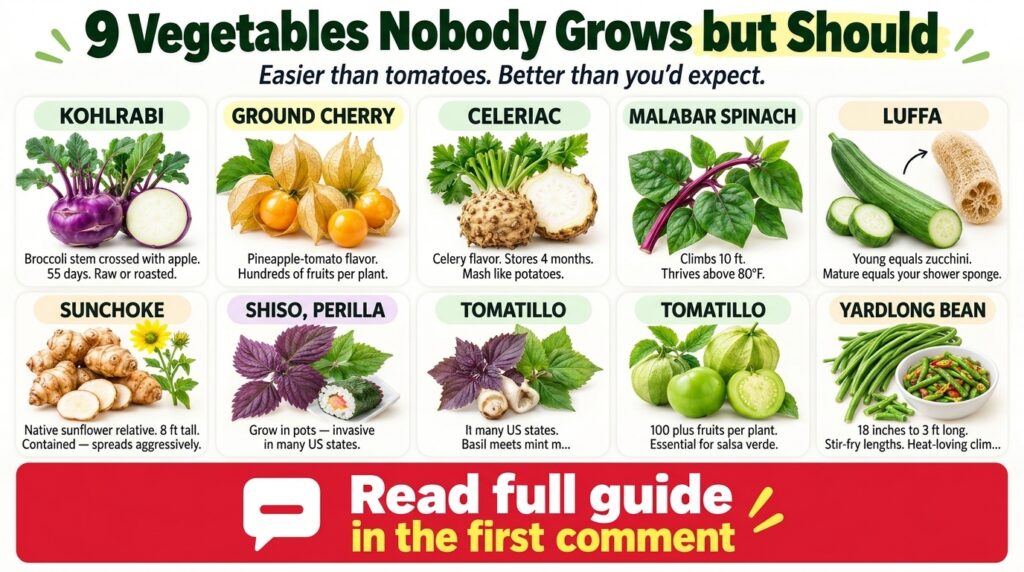
9 Unexpected Vegetables to Try in Your Garden
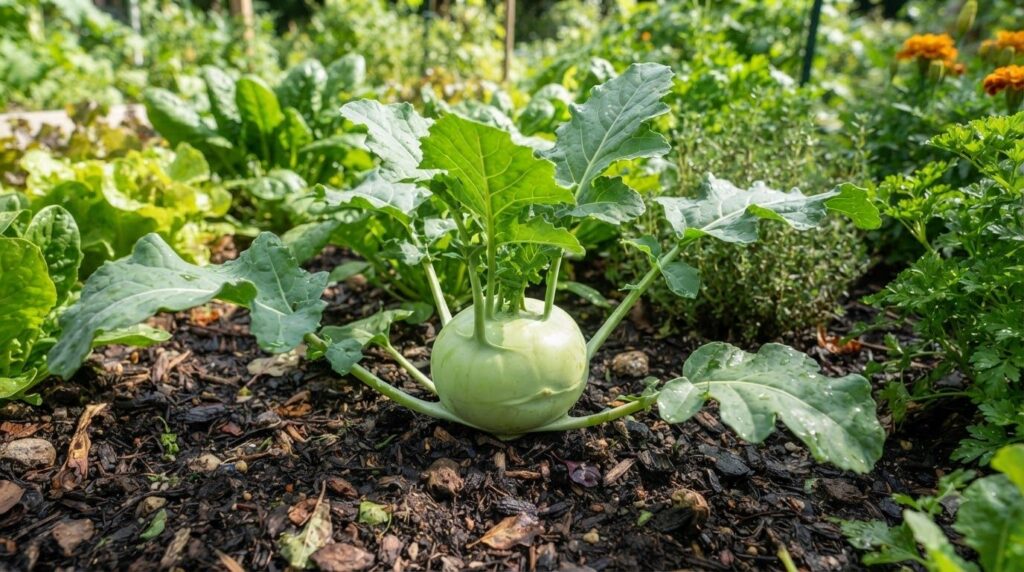
1. Kohlrabi (Brassica oleracea var. gongylodes)
Often called a ‘German turnip,’ kohlrabi is a fascinating bulb-like vegetable that grows above ground. Its crisp, mild flavor is a delightful cross between a radish and a cabbage, making it perfect for salads, stir-fries, or simply eaten raw with a dip.
- Growing Tip: Prefers cool weather. Plant in spring or late summer. Harvest when bulbs are 2-3 inches in diameter for the best taste.
2. Ground Cherry (Physalis pruinosa)
Imagine a tiny, sweet, tangy fruit encased in a papery husk, much like a tomatillo. Ground cherries are delightful for snacking, making jams, pies, or adding to fruit salads. They tend to drop to the ground when ripe, hence their name.
- Growing Tip: Treat like tomatoes. Start indoors and transplant after the last frost. They love full sun and well-drained soil.
3. Celeriac (Apium graveolens var. rapaceum)
Also known as celery root, celeriac is an underdog in the vegetable world. This knobby, earthy root has a subtle celery-like flavor and a creamy texture when cooked. It’s fantastic roasted, mashed, or in soups and stews.
- Growing Tip: Requires a long growing season and consistent moisture. Plant in spring and harvest in late fall before hard freezes.
4. Sunchoke (Helianthus tuberosus)
Don’t let the name fool you – sunchokes (or Jerusalem artichokes) are not related to artichokes but are tubers from a type of sunflower! They have a slightly sweet, nutty flavor and a crunchy texture similar to water chestnuts. Excellent raw, roasted, or boiled.
- Growing Tip: Extremely easy to grow, often too easy! Plant tubers in spring. They can become invasive, so consider growing them in a contained area.
5. Malabar Spinach (Basella alba or Basella rubra)
If you live in a hot climate where regular spinach bolts, Malabar spinach is your new best friend! This vining plant thrives in heat and humidity, producing thick, succulent leaves with a mild, slightly peppery flavor. Use it fresh in salads or cooked.
- Growing Tip: A warm-season crop. Provide a trellis or support for its vigorous vines. Keep well-watered.
6. Luffa (Luffa aegyptiaca)
Yes, the same luffa that becomes a bath sponge can also be eaten! When harvested young (under 6 inches), luffa gourds are tender and taste similar to zucchini. They are excellent in Asian stir-fries or curries.
- Growing Tip: Needs a long, warm growing season and sturdy support for its heavy fruits. Harvest young for eating; let mature for sponges.
7. Shiso Perilla (Perilla frutescens)
A staple in Japanese and Korean cuisine, shiso (also known as perilla) boasts a unique, complex flavor profile—a blend of mint, basil, and cumin with a hint of anise. Its vibrant green or purple leaves are perfect for wraps, garnishes, or infusing oils.
- Growing Tip: Grows easily from seed in full sun to partial shade. Can readily self-seed, so manage its spread if desired.
8. Tomatillo (Physalis philadelphica)
These essential ingredients for authentic salsa verde are a must-try! Tomatillos look like small green tomatoes encased in a papery husk. Their tart, tangy flavor adds a unique kick to Mexican dishes, sauces, and even fresh salads.
- Growing Tip: Similar to tomatoes. Needs full sun and warm weather. Plant at least two for pollination to ensure good fruit set.
9. Yardlong Bean (Vigna unguiculata subsp. sesquipedalis)
Also known as Chinese long beans, these impressive legumes can grow up to 3 feet long! They have a slightly different texture and a more intense bean flavor than common green beans, perfect for stir-fries, steaming, or grilling.
- Growing Tip: A warm-season crop that loves heat. Provide a tall trellis or support for climbing. Harvest frequently to encourage more production.
Stepping out of your gardening comfort zone can be incredibly rewarding. These nine unexpected vegetables offer unique flavors, textures, and growing experiences that will undoubtedly enrich your home harvest. Imagine the satisfaction of serving a dish featuring a vegetable most people have never seen or tasted!
Which of these unique veggies are you excited to try first? Share your thoughts and any other unusual vegetables you love to grow in the comments below!