Urban Garden Dreams Taking Root: Growing Vibrant Purple Cabbage in Planters
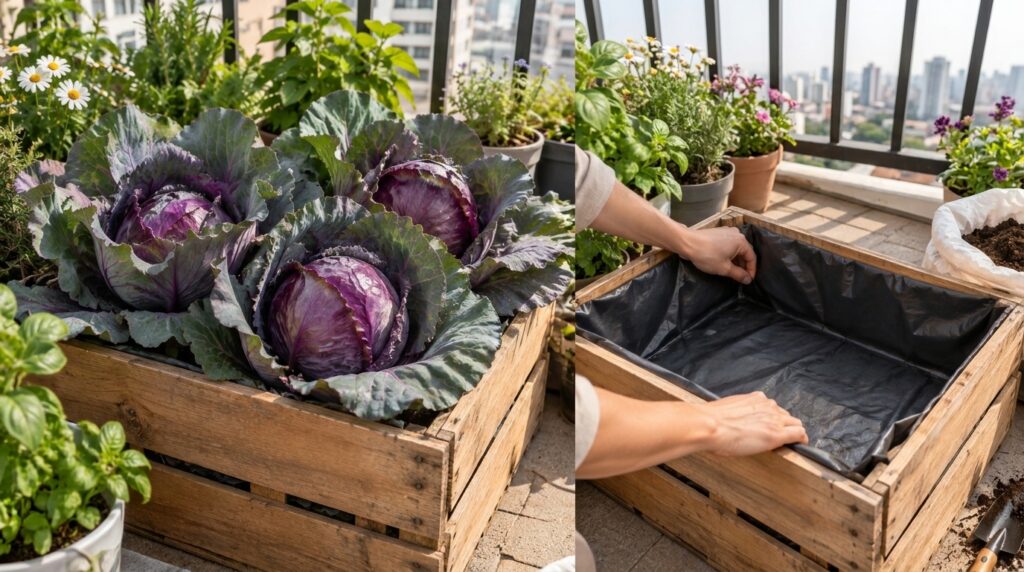
Have you ever dreamt of harvesting your own fresh vegetables, even if you live in the heart of a bustling city? Urban gardening makes that dream a reality, transforming balconies, patios, and rooftops into lush edible landscapes. Today, we’re diving into the delightful world of growing vibrant purple cabbage in your very own urban planters – a rewarding and surprisingly simple endeavor that adds both beauty and nutrition to your home.
Why Choose Purple Cabbage for Your Urban Garden?
Purple cabbage isn’t just stunning with its rich, deep hues; it’s also a fantastic choice for urban gardeners for several reasons:
- Nutrient Powerhouse: Packed with vitamins K and C, antioxidants, and fiber, purple cabbage is a healthy addition to any diet.
- Visual Appeal: Its striking color adds a gorgeous splash to your garden space, making it both ornamental and edible.
- Relatively Compact: While cabbages can grow quite large, many varieties are suitable for container growing, especially with proper care.
- Rewarding Harvest: There’s immense satisfaction in cutting a beautiful head of cabbage you’ve grown yourself.
Essential Steps for a Bountiful Purple Cabbage Harvest
1. Selecting the Right Planter and Location
Cabbage needs space to grow its roots and form a substantial head. Choose a container that is at least 10-12 inches deep and 10-12 inches wide per plant. Larger containers are always better as they hold more soil, retaining moisture longer and providing more stable temperatures for roots.
- Material Matters: Wooden planters, terracotta pots, or sturdy plastic containers all work well. Ensure your chosen planter has adequate drainage holes to prevent waterlogging.
- Sunlight is Key: Cabbage thrives in full sun, meaning at least 6-8 hours of direct sunlight per day. Position your planter in the sunniest spot on your balcony, patio, or rooftop.
- Protection from Wind: Strong winds can damage young plants. If your urban space is particularly windy, consider placing your planters in a somewhat sheltered area or adding a small windbreak.
2. Soil and Nutrition are Key
The success of your container-grown cabbage largely depends on the soil you provide.
- Potting Mix: Use a high-quality, well-draining potting mix. Avoid using garden soil, as it can compact in containers, hindering drainage and root growth. A good potting mix will provide aeration and essential nutrients.
- Nutrient Boost: Cabbage is a heavy feeder. Before planting, amend your potting mix with some compost or a slow-release granular organic fertilizer.
- Regular Feeding: Once your cabbage plants start to grow actively, typically a few weeks after planting, feed them every 2-3 weeks with a balanced liquid fertilizer, following the product’s instructions.
3. Planting Your Purple Cabbage
You can start purple cabbage from seeds or purchase seedlings from a local nursery.
- Starting from Seed: Sow seeds about 1/2 inch deep. Once seedlings emerge and have a few true leaves, thin them to one plant per container (or spaced according to the container’s size if it’s very large).
- Planting Seedlings: Dig a hole large enough to accommodate the root ball. Gently place the seedling in the hole, ensuring the top of the root ball is level with the soil surface. Backfill with soil and water thoroughly.
- Spacing: Remember the size of a mature cabbage head. Give each plant enough room to grow without competing for nutrients or light.
4. Consistent Care for Healthy Growth
Cabbage needs consistent care to produce those beautiful, tight heads.
- Watering: Keep the soil consistently moist, but not waterlogged. Container plants dry out faster than garden beds, so check the soil moisture daily, especially during warm weather. Water deeply until you see water draining from the bottom of the pot.
- Pest Control: Cabbage can attract pests like cabbage worms or aphids. Regularly inspect your plants for signs of pests. Hand-picking visible pests, using organic insecticidal soap, or applying neem oil can help keep them at bay. Companion planting with herbs like mint or dill can also deter some pests.
- Weeding: While less of an issue in containers, remove any weeds that might sprout to prevent competition for nutrients.
5. Harvesting Your Delicious Cabbage
Purple cabbage is typically ready for harvest when the heads are firm and solid. The exact timing will depend on the variety, but it usually takes 80-110 days from planting.
- How to Harvest: Using a sharp knife, cut the stem just below the lowest leaves of the cabbage head.
- Second Harvest (Optional): Sometimes, if you leave the outer leaves and part of the stem, smaller secondary heads may form from the remaining stem.
Embrace Your Urban Gardening Journey
Growing purple cabbage in urban planters is an incredibly rewarding experience. Not only will you enjoy fresh, nutritious produce, but you’ll also add a vibrant touch to your living space. Don’t be discouraged by initial challenges; every gardener learns and grows with their plants. So, roll up your sleeves, get your hands in the soil, and watch your urban garden dreams take root!
What vegetables are you dreaming of growing in your urban space? Share your gardening adventures with us in the comments below!