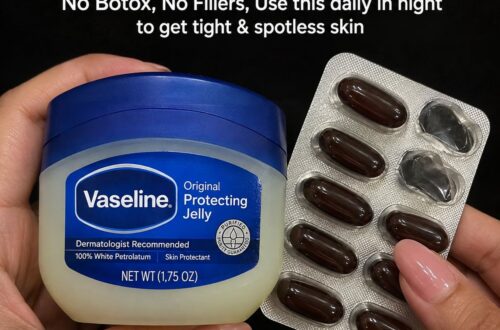
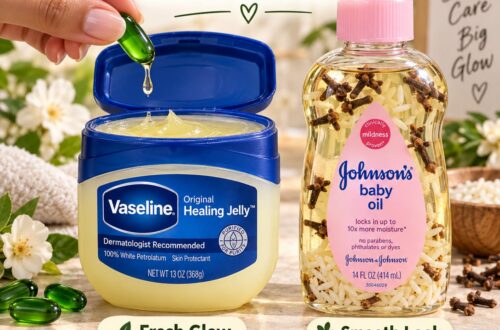
You’ve likely seen the buzz about a viral trend mixing Vaseline with ‘mysterious capsules’ for a supposed ‘no-Botox’ glow. This DIY hack promises youthful, smooth-looking skin, but dermatologists are sounding the alarm about potential skin irritation and unexpected reactions. Before you consider trying this trending trick, let’s dive into why experts advise caution and how to prioritize skin safety.
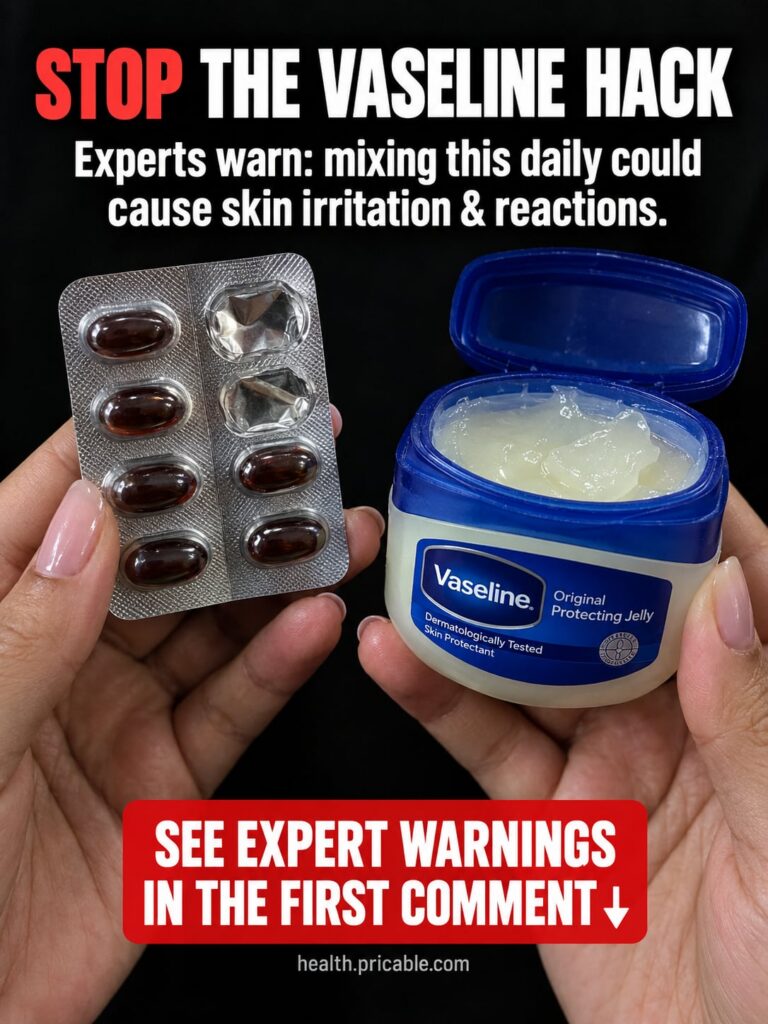
Quick Overview of the Viral Trend & Expert Warnings
This viral trend suggests combining readily available petroleum jelly with the contents of certain capsules, often assumed to be vitamins or other concentrated oils, to create a potent anti-aging balm. The promise is a ‘youth secret’ that can give a smoother, ‘no-Botox’ appearance.
- Prep time: Not applicable – Not Recommended
- Best for: N/A – Not Recommended for Skin
- Use type: A viral DIY trend that experts caution against
- Main ingredients: Petroleum jelly (Vaseline), various unidentified oil-based or vitamin capsules
The Viral ‘Ingredients’ and Why They’re Risky
The viral hack typically involves two main components:
Petroleum Jelly (Vaseline)
Vaseline is a petroleum-based product known for its occlusive properties, meaning it forms a protective barrier on the skin. It’s excellent for locking in moisture and aiding in skin barrier repair. However, its occlusive nature also means it can trap other substances on or within the skin.
Mysterious Capsules
These capsules are often vaguely described, but usually contain concentrated ingredients like Vitamin E oil, Vitamin A (retinol), or other oil-based serums. While individual vitamins can be beneficial, their high concentration and specific formulations for internal use or professional skincare are not meant for arbitrary mixing.
Combining these two creates a mixture with unpredictable potency and potential for adverse reactions, especially since the exact contents and quality of the capsules are often unknown.
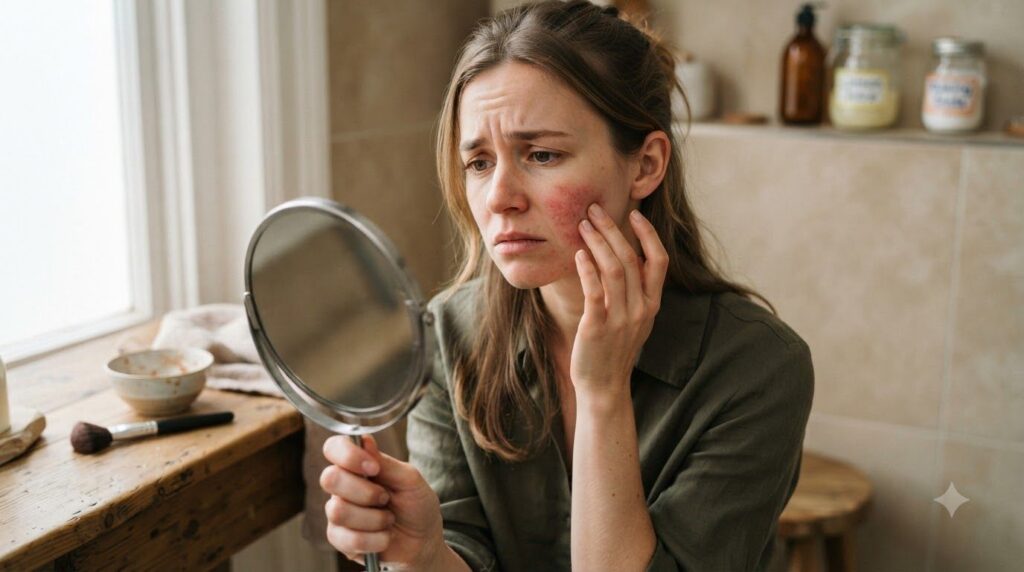
What the Viral Method Involves (and Why Experts Warn Against It)
The viral method typically suggests piercing a capsule, squeezing its contents into a small amount of Vaseline, mixing them, and then applying the concoction to the face, often around the eyes or mouth, to target fine lines and wrinkles.
Experts warn against this for several reasons:
- Uncontrolled Concentrations: Skincare products are formulated with precise concentrations of active ingredients. Extracting contents from capsules, especially those designed for ingestion, can lead to applying excessively high doses of active ingredients to the skin, potentially causing irritation, redness, or burning.
- Stability Issues: Many active ingredients, like Vitamin A or C, are unstable and can degrade quickly when exposed to air or light, losing their efficacy or even forming harmful byproducts. Mixing them without proper formulation can render them ineffective or irritating.
- Occlusion Amplification: Vaseline’s occlusive nature can enhance the penetration of whatever is mixed with it. While beneficial for moisture, this means irritants or highly concentrated ingredients can be driven deeper into the skin, increasing the risk of adverse reactions.
Why The Claimed Usage Is Problematic
The viral trend suggests regular application to achieve a ‘no-Botox’ effect. However, consistently applying an unregulated, highly concentrated mix can lead to chronic skin issues rather than improvements.
Repeated exposure to unknown concentrations of active ingredients, especially when trapped by an occlusive layer, can overwhelm the skin’s natural barrier. This can lead to sensitization, breakouts, persistent redness, and even contact dermatitis.
Potential Risks and Side Effects
Instead of the desired ‘youthful glow,’ users may experience several negative outcomes:
- Skin Irritation: Redness, itching, burning, or stinging sensations, particularly for those with sensitive skin.
- Allergic Reactions: Ingredients within the capsules, or their combination with petroleum jelly, could trigger allergic responses.
- Breakouts: The occlusive nature of Vaseline, combined with potentially irritating ingredients, can clog pores and lead to acne, especially for individuals prone to breakouts.
- Photosensitivity: Certain ingredients, like some forms of Vitamin A, can increase skin’s sensitivity to the sun, leading to sunburn or hyperpigmentation if proper sun protection isn’t used.
- Compromised Skin Barrier: Over time, irritation can weaken the skin’s natural protective barrier, making it more vulnerable to environmental damage and moisture loss.
Safety Notes
- Avoid Unverified DIYs: Always be cautious with viral beauty hacks, especially those involving mixing concentrated ingredients.
- Consult a Professional: If you’re concerned about anti-aging or skin texture, consult a dermatologist who can recommend safe and effective treatments tailored to your skin type.
- Patch Test for Any New Product: Even with professionally formulated products, always perform a patch test on a small, inconspicuous area of skin before applying it to your face.
- Understand Ingredients: Familiarize yourself with common skincare ingredients and their appropriate usage concentrations.
- Prioritize Skin Health: A healthy skin barrier is your best defense. Focus on gentle cleansing, moisturizing, and sun protection.
FAQ
Is Vaseline itself bad for the skin?
No, Vaseline (petroleum jelly) is generally considered safe and effective for moisturizing and protecting the skin, especially for very dry or compromised skin. The concern arises when it’s mixed with other potent, unverified ingredients in a DIY context.
What are safer ways to address anti-aging concerns?
Safer approaches include using dermatologist-tested anti-aging serums with ingredients like retinoids (Vitamin A derivatives), Vitamin C, hyaluronic acid, and peptides. Consistent sun protection and a healthy lifestyle also play a crucial role.
How can I tell if a viral beauty hack is safe?
Look for hacks that are endorsed by dermatologists or reputable skincare professionals. Avoid anything that involves mixing highly concentrated ingredients, using products not intended for topical application, or claims that sound too good to be true.
Final Thoughts
While the allure of a ‘youth secret’ is strong, the potential risks of the viral Vaseline and ‘mysterious capsules’ hack far outweigh any unproven benefits. Your skin’s health is paramount, and it’s always best to err on the side of caution when it comes to DIY beauty trends. Opt for well-researched, dermatologist-approved solutions or simple, gentle home remedies known for their safety and effectiveness. Stay informed and prioritize skincare practices that genuinely nourish and protect your beautiful skin. Share your thoughts on viral DIYs and how you keep your skin safe in the comments below!