Lemon Peel’s Hidden Health Power: Don’t Toss Those Zesty Benefits!
Imagine throwing away a hidden treasure every time you prepare a refreshing glass of lemonade or a delicious lemon tart. What if that seemingly discarded ‘waste’ was actually a powerhouse of wellness, brimming with benefits you’re completely overlooking?
Why This Matters
For generations, most of us have focused solely on the tangy, refreshing juice of the lemon, relegating the peel to the compost bin without a second thought. We’ve been taught to think of the fruit’s flesh as the star and the rind as mere packaging. But as our collective interest in natural wellness grows, more and more people are realizing that nature often packs its greatest gifts in the most unexpected places. The humble lemon peel is a prime example, quietly holding a wealth of nutrients and compounds that can genuinely support your daily well-being. It’s time to uncover why this zesty ingredient is gaining popularity and why you might benefit from giving it a second look.
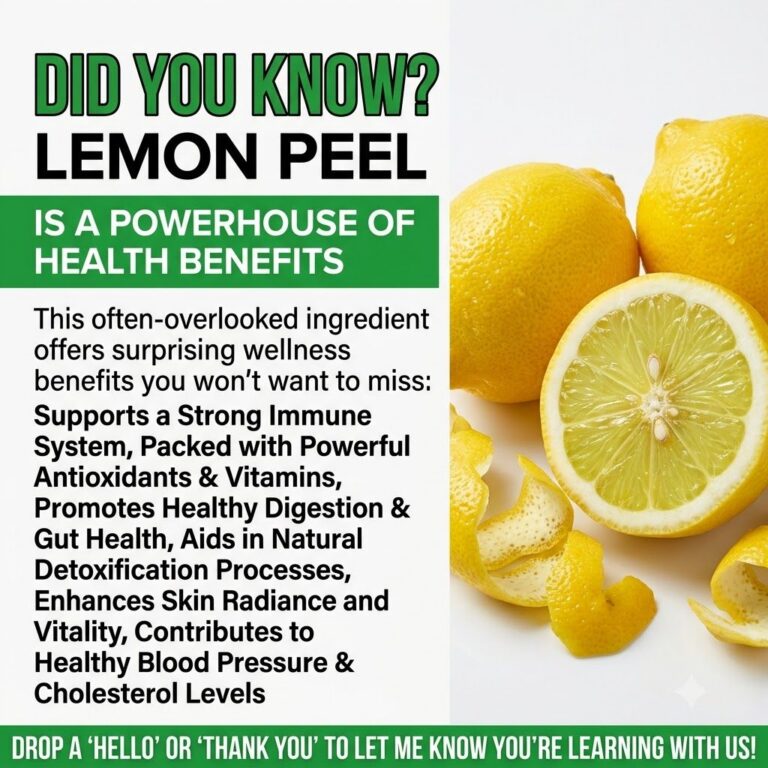
Main Educational Content: Unlocking the Peel’s Potential
The secret to the lemon peel’s power lies in its unique composition. While the juice is rich in Vitamin C, the peel boasts an even more concentrated array of beneficial compounds.
A Nutritional Goldmine
- D-Limonene: This remarkable compound, found abundantly in the essential oils of citrus peels, is a type of terpene. It’s a key player in the peel’s distinct aroma and has been the subject of fascinating research into its potential wellness benefits.
- Flavonoids: These powerful plant pigments act as antioxidants, helping to combat oxidative stress in the body. The peel contains various flavonoids, including hesperidin and naringin, which contribute to its health-promoting profile.
- Vitamin C: While the juice is famous for it, the peel also contains significant amounts of Vitamin C, crucial for immune function and skin health.
- Dietary Fiber: The peel is an excellent source of dietary fiber, which is vital for digestive health and can help support a feeling of fullness.
Traditional Uses vs. Modern Understanding
Historically, various cultures have used citrus peels in traditional remedies for their aromatic and purported therapeutic properties. For example, in some traditions, lemon peel was used to aid digestion or to add a purifying element to teas and infusions.
Today, modern science is beginning to explore some of these traditional insights. While more research is always needed, some studies suggest that the compounds in lemon peel, particularly d-limonene, may offer antioxidant support, help maintain a healthy inflammatory response, and contribute to overall cellular wellness.
Realistic Potential Benefits
- Immune System Support: Thanks to its Vitamin C and antioxidant content, lemon peel may help bolster your body’s natural defenses.
- Digestive Harmony: The fiber content can aid healthy digestion, and traditionally, citrus peels have been used to soothe digestive discomfort.
- Antioxidant Power: The rich presence of flavonoids and d-limonene means the peel is a potent source of antioxidants, which protect your cells from damage.
- Skin Radiance: By combating free radicals, the antioxidants in lemon peel may contribute to healthy-looking skin.
Practical Guide: How to Incorporate Lemon Peel into Your Routine
Ready to make the most of this zesty wonder? Here’s how to safely and deliciously add lemon peel to your daily life:
Choosing and Preparing
- Go Organic: Always opt for organic, unwaxed lemons when planning to use the peel to minimize exposure to pesticides and waxes.
- Wash Thoroughly: Even with organic lemons, give them a good scrub under running water using a vegetable brush.
- Zest or Grate: Use a microplane grater to get fine zest, or a vegetable peeler for larger strips (be careful to avoid the bitter white pith as much as possible).
Usage Ideas
- Lemon Peel Tea: Add a few strips of peel or a teaspoon of zest to hot water for a soothing, aromatic tea.
- Culinary Delights: Incorporate fresh or dried zest into baking (cakes, muffins), savory dishes (chicken, fish), salad dressings, or marinades. It adds a bright, complex flavor.
- Infused Water: Drop a few clean peel strips into your water bottle for a refreshing, subtly flavored drink.
- Smoothie Boost: A small amount of zest can add a nutritional punch and vibrant flavor to your morning smoothie.
- Homemade Lemon Extract: Steep dried lemon peels in high-proof alcohol for several weeks to create your own natural extract for baking.
Storage Tips
- Fresh Zest: Store fresh zest in an airtight container in the refrigerator for up to a week.
- Frozen Zest: For longer storage, spread fresh zest on a baking sheet, freeze until solid, then transfer to a freezer-safe bag or container. It can last for several months.
- Dried Peels: You can dry lemon peels in a dehydrator or a low oven until brittle, then store them in an airtight jar at room temperature.
Safety & Precautions
While lemon peel is generally safe for most people when consumed in moderation, it’s always wise to be aware of potential considerations:
- Pesticides & Wax: As mentioned, always choose organic, unwaxed lemons and wash them thoroughly to avoid ingesting harmful residues.
- Allergies: If you have citrus allergies, avoid consuming lemon peel.
- Digestive Sensitivity: Some individuals might find large amounts of fiber or essential oils irritating to their digestive system. Start with small quantities.
- Medication Interactions: If you are on any medications, particularly those for stomach acid or liver conditions, it’s always best to consult your healthcare professional before significantly increasing your intake of lemon peel or any new natural remedy.
- Dental Health: Citrus can be acidic; while the peel is less acidic than the juice, moderation is key for dental enamel protection.
Key Takeaways
- Lemon peel is a powerhouse of nutrients, including D-limonene, flavonoids, Vitamin C, and fiber.
- It offers potential benefits for immune support, digestion, and antioxidant protection.
- Always use organic, thoroughly washed lemons when consuming the peel.
- Easy to incorporate into teas, baking, cooking, and infused drinks.
- Start with small amounts and consult a healthcare professional if you have concerns or existing medical conditions.
FAQ
Is lemon peel safe to eat?
Yes, lemon peel is generally safe to eat, especially when consumed in moderate amounts. It’s important to use organic, thoroughly washed lemons to avoid pesticides and wax.
What are the main health benefits of lemon peel?
Lemon peel is rich in antioxidants, fiber, and compounds like D-limonene, which may support immune function, aid digestion, and provide anti-inflammatory benefits.
How can I easily add lemon peel to my daily diet?
You can grate fresh zest into teas, smoothies, yogurts, or use it in baking and cooking. You can also add strips of peel to infuse water.
Are there any side effects to eating lemon peel?
While generally safe, some individuals might experience digestive sensitivity, and those with citrus allergies should avoid it. Always start with small amounts.
Should I only use organic lemons for their peel?
It is highly recommended to use organic, unwaxed lemons when consuming the peel to minimize your exposure to synthetic pesticides and artificial waxes.
Related Reading
If you’re fascinated by the hidden powers of everyday ingredients, you might also enjoy exploring:
- The Surprising Benefits of Ginger for Digestion and Immunity
- Natural Ways to Boost Your Antioxidant Intake
- Herbal Teas: Your Guide to Soothing and Healing Brews
- Unlocking the Power of Anti-Inflammatory Foods for Daily Wellness