Looking for a simple, natural way to support a radiant complexion? This easy DIY clove toner is a popular home beauty idea for a fresher, more youthful appearance.

Quick Recipe
Prep time: 10 minutes (plus cooling time)
Best for: Dull, tired-looking skin, supporting an even-toned appearance
Use type: Toner
Main ingredients:
- Whole cloves
- Distilled water
Ingredients
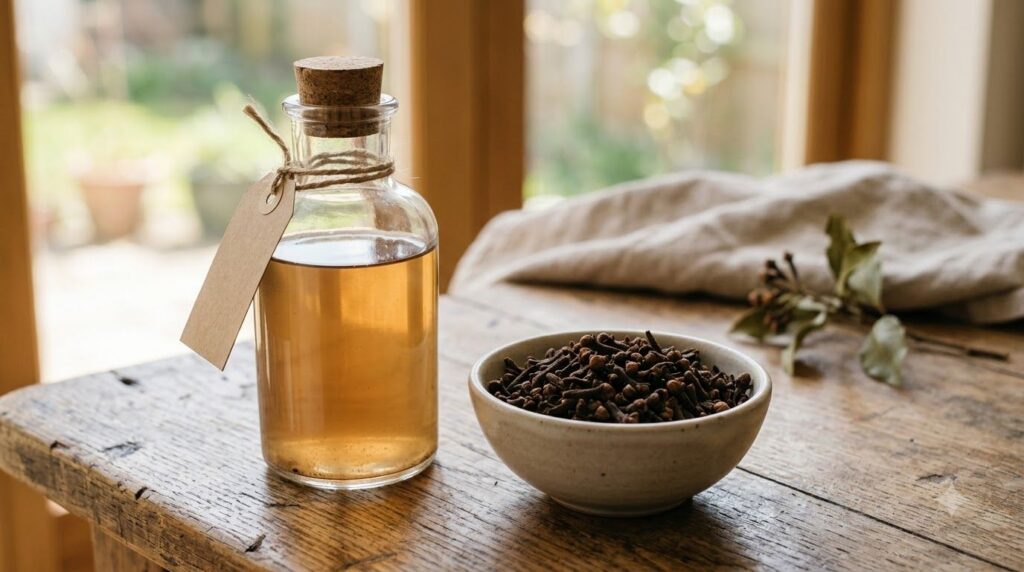
- 1 tablespoon whole cloves
- 1 cup distilled water
- (Optional) 1-2 drops of a gentle essential oil like lavender or rose for scent, if desired. Ensure it’s skin-safe and properly diluted.
How to Make It
- Boil Water: In a small saucepan, bring 1 cup of distilled water to a boil. Distilled water helps avoid impurities that can be found in tap water.
- Add Cloves: Once the water is boiling, remove the saucepan from the heat. Add 1 tablespoon of whole cloves to the hot water.
- Steep: Cover the saucepan with a lid and let the cloves steep in the hot water for at least 30 minutes, or until the water has cooled completely. The longer it steeps, the stronger the infusion.
- Strain: Once cooled, strain the liquid through a fine-mesh sieve or cheesecloth into a clean, airtight bottle or jar. Discard the used cloves.
- Store: Your clove toner is ready! Store it in the refrigerator to keep it fresh.
How to Use It
- Cleanse Skin: After cleansing your face, pour a small amount of the chilled clove toner onto a cotton pad.
- Apply Gently: Gently swipe the cotton pad across your face and neck, avoiding the delicate eye area. Do not rinse off.
- Follow Up: Allow the toner to air dry for a moment before applying your favorite serum and moisturizer.
How Often to Use It
Start by using this clove toner once a day, perhaps in the evening. If your skin tolerates it well, you may increase usage to twice daily (morning and evening). Discard any remaining toner after one week and make a fresh batch.
Why These Ingredients Are Used
Whole Cloves
Cloves are known in traditional practices for their warming and potentially purifying properties. In home beauty remedies, they are often used to support circulation, which can contribute to a fresher, more vibrant-looking complexion. Their natural compounds are thought to help clarify the skin and may contribute to an appearance of firmness.
Distilled Water
Using distilled water ensures that your toner is free from minerals, chemicals, and contaminants that can be found in tap water. This helps to prevent any potential irritation and ensures a clean base for your skin remedy.
What Results to Expect
Consistent use of this DIY clove toner may help your skin feel refreshed and look more balanced. It can support a brighter-looking complexion and may contribute to an appearance of smoother, more revitalized skin over time. Individual results can vary, and patience is key with natural remedies.

Safety Notes
- Patch Test First: Always perform a patch test on a small, inconspicuous area of your skin (like behind your ear or on your inner arm) 24 hours before applying the toner to your entire face to check for any adverse reactions.
- Use Gently: Apply the toner with light, gentle swipes. Avoid rubbing aggressively.
- Avoid Irritated or Broken Skin: Do not use this toner on skin that is irritated, broken, or has open wounds.
- Stop Using If Discomfort Occurs: If you experience any redness, itching, burning, or discomfort, discontinue use immediately and rinse your face thoroughly with cool water.
- Sun Sensitivity: While cloves are not typically known to cause photosensitivity, it’s always wise to use sunscreen daily, especially when introducing new ingredients to your skincare routine.
- Storage: Store the toner in the refrigerator to maintain freshness and prevent bacterial growth. Discard after one week.
FAQ
Can I use clove essential oil instead of whole cloves?
It’s generally not recommended to use clove essential oil directly in a DIY toner, as essential oils are highly concentrated and can cause severe skin irritation or burns if not properly diluted. Sticking to an infusion made from whole cloves is a safer approach for homemade toners.
How long does the homemade clove toner last?
Since this toner contains no preservatives, it’s best to use it within one week when stored in the refrigerator. Always make a fresh batch for optimal efficacy and safety.
Will this toner help with acne?
While cloves have traditional uses that suggest purifying qualities, this toner is primarily aimed at supporting a radiant and balanced complexion. For specific acne concerns, it’s best to consult with a dermatologist.
Final Thoughts
Incorporating natural remedies like this DIY clove toner into your routine can be a rewarding way to nurture your skin. By focusing on simple, accessible ingredients, you can support a fresh, youthful-looking glow. Remember to always prioritize safety by patch testing and listening to your skin. Share your experiences in the comments below!