Are you trying to cut back on sugar, but frustrated by how it seems to sneak into everything – sauces, snacks, “healthy” bars, and even salad dressings? If you’ve ever felt that quitting sugar is impossible, you’re not alone. It’s not a lack of discipline, it’s the overpowering presence of refined sugar in modern diets, and it’s making a real impact on how we feel, look, and function.
But here’s the good news: Nature offers dozens of real, nutrient-dense alternatives that do more than just sweeten your food. These natural sweeteners deliver vitamins, minerals, fiber, and even antioxidants—helping your body process sweetness more smoothly and sustainably. In this guide, you’ll discover why shifting away from white sugar matters, what options are truly better, and how to use them—not just for taste, but for real health benefits.
Why It’s Time to Rethink Sugar
Refined white sugar and highly processed cane sugar are stripped of nutrients, leaving a pure, concentrated dose that spikes blood glucose. Regular consumption is linked to energy crashes, increased appetite, chronic inflammation, and fat storage around the belly. Over time, this can lead to hormone imbalances and long-term health risks.
Is natural cane sugar any better? While raw, unrefined cane sugar holds onto some minerals from the original plant, it still acts much like regular sugar in the body. The best health benefits come from “whole-food sweeteners -sources like fruit, syrups, and purees that bring fiber and micro-nutrients alongside their sweetness.
The Top 20+ Best Natural Sweeteners (and How to Use Them)
1. Honey
One of the most popular natural sweeteners, honey is rich in enzymes, trace minerals, and antioxidants. Great in tea, oatmeal, or drizzled over baked fruit.
2. Dates & Date Syrup
Dates are “nature’s caramel”—packed with fiber, potassium, and polyphenols. Blend whole dates into smoothies or treats; use date syrup for pancakes or yogurt.

3. Raisins
Blend into sauces or bake into muffins for a boost of sweetness plus iron and antioxidants.
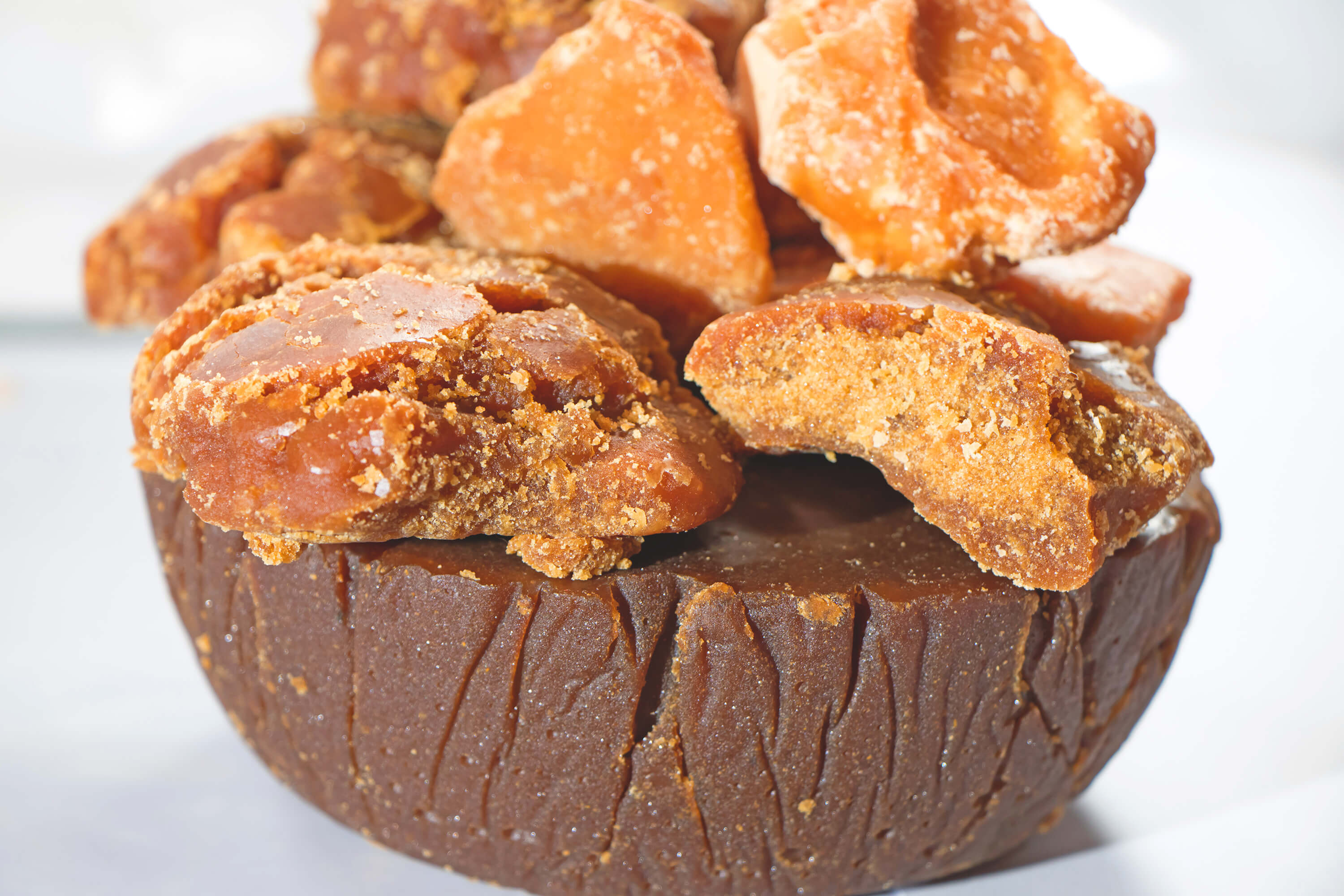
4. Jaggery (Gur)
An unrefined cane sweetener, jaggery offers magnesium, iron, and a robust flavor. Perfect for warm drinks and traditional recipes.
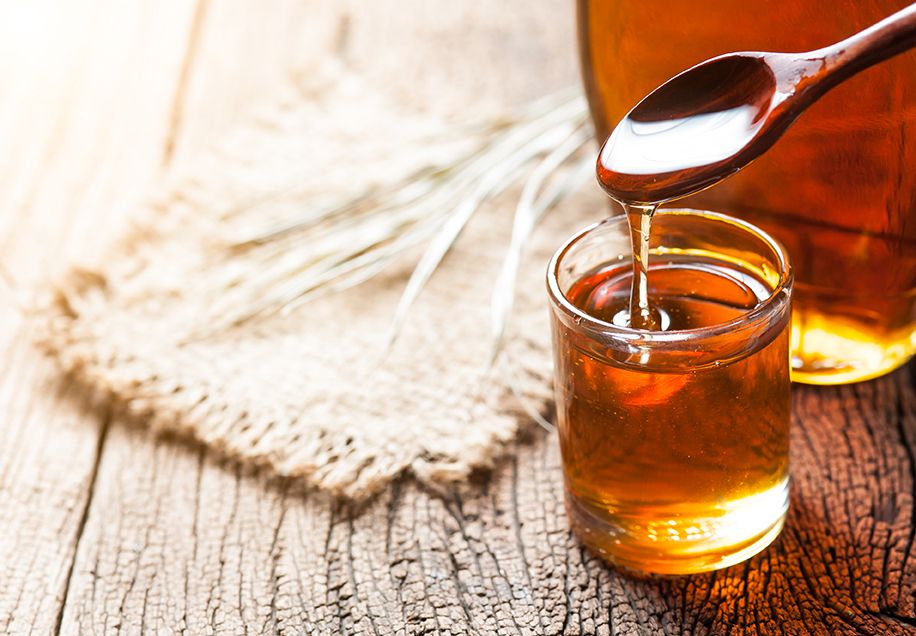
5. Maple Syrup
Loaded with manganese and antioxidants, pure maple syrup is ideal for glazes, baking, or roasted vegetables.
6. Stevia (Whole Leaf)
A zero-calorie plant-based sweetener, stevia is useful in cold drinks or as a sugar alternative in tea.
7. Banana Purée
Add to muffins, pancakes, or even baby food for extra moisture and gentle sweetness.
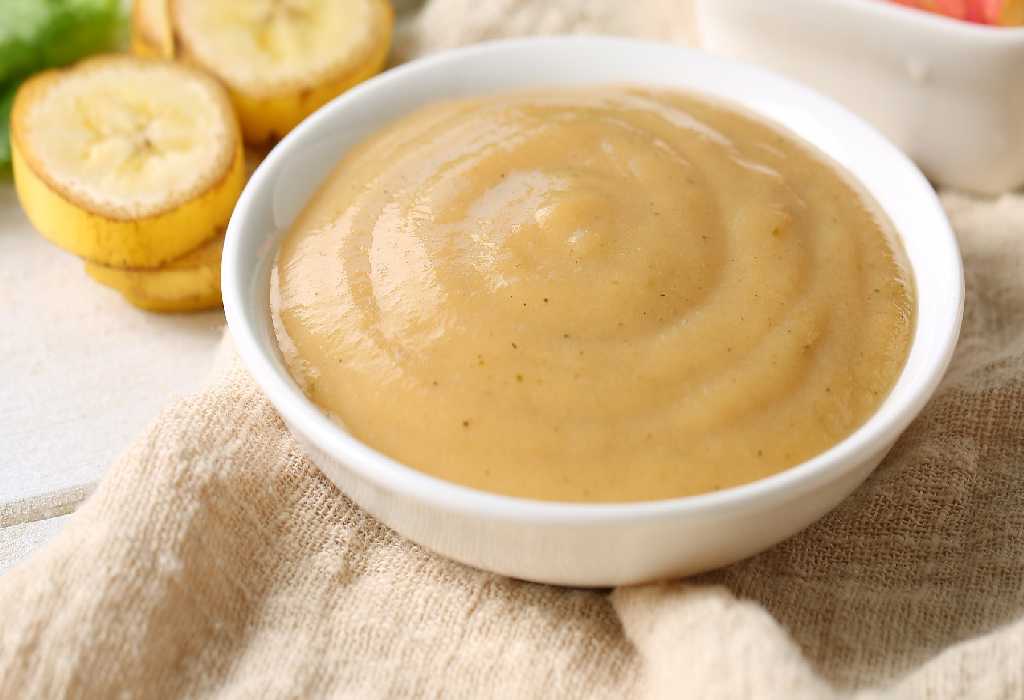
8. Applesauce
Works both as a sweetener and egg substitute in many baking recipes.
9. Coconut Sugar & Coconut Nectar
Lower glycemic index than regular sugar, containing zinc, iron, and a subtle caramel flavor.
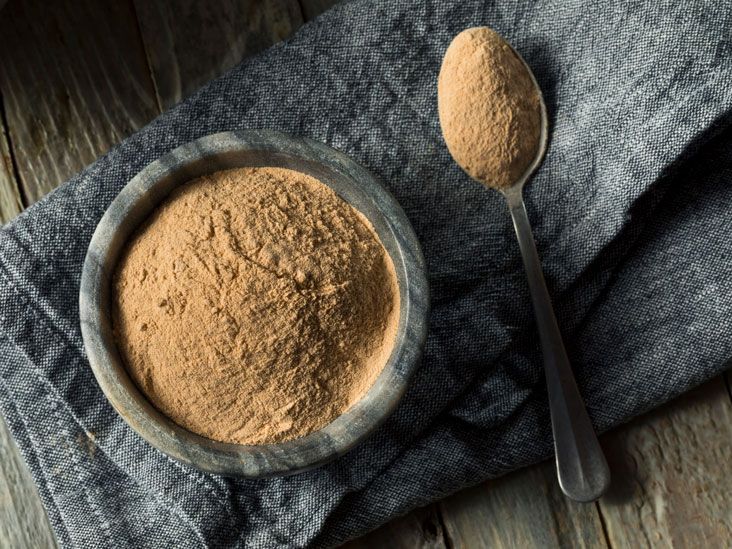
10. Molasses (Blackstrap)
Exceptionally dense in calcium, iron, and other minerals. Use for a rich flavor in baking or sauces.

11. Monk Fruit Sweetener
Another zero-calorie option made from a Southeast Asian fruit, perfect for low-carb and diabetic-friendly diets.
12. Prune Purée & Figs
High in fiber—great blended into smoothies, spreads, or natural dessert bases.

13. Grape Must Syrup
Traditional Mediterranean syrup that’s rich in polyphenols—adds depth to sauces and glazes.
14. Brown Rice Syrup
Mild, slow-releasing sweetness – good in energy bars or baked snacks.
15. Vegetable Sweeteners: Sweet Potato or Carrot Purée
Bring gentle, wholesome sweetness and nutrients like beta-carotene, especially in baked goods.
16. Lucuma Powder
A Peruvian fruit powder with a vanilla-maple flavor—works well in smoothies, puddings, or no-bake desserts.
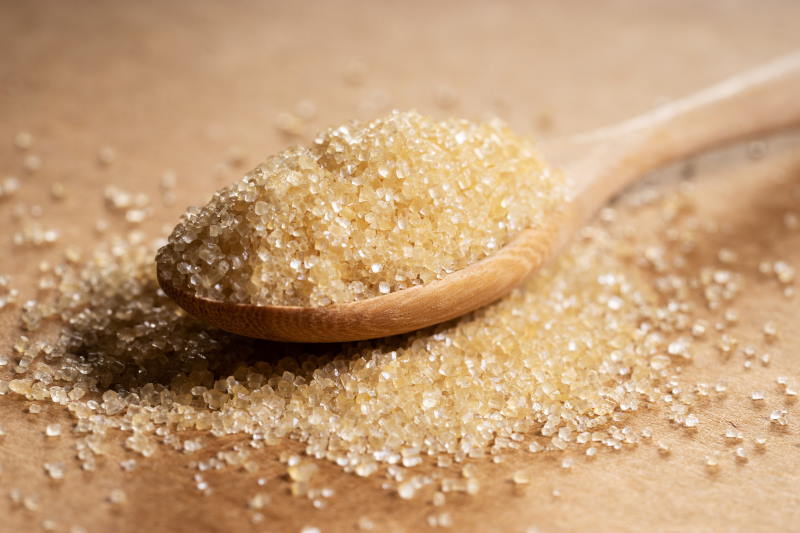
17. Raw Cane Sugar (Occasional Use)
Less processed and retains some minerals, but should be used sparingly as it still behaves like conventional sugar in the body.
The Science: Why Natural Sweeteners Are Healthier
Whole-food sweeteners offer more nutritional value compared to refined sugar:
-
Fiber (found in dates, raisins, figs, and prunes): Slows down glucose absorption, keeping energy levels steady and reducing spikes and crashes.
-
Minerals (from jaggery, molasses, maple syrup): Support healthy enzyme function, blood formation, and muscle health.
-
Antioxidants (in honey, coconut sugar, lucuma): Help fight inflammation and oxidative stress.
-
Zero-calorie botanicals (stevia, monk fruit): Sweeten without affecting blood sugar—ideal for weight management and diabetes.
-
Fruit and root purées (banana, applesauce, sweet potato): Add moisture, support digestion, and promote gut health due to prebiotic content.
How to Choose the Right Sweetener for Every Occasion
For Baking:
Use applesauce, banana purée, coconut sugar, or molasses. These add sweetness plus extra moisture and nutrients, perfect for muffins, brownies, pancakes, and cakes.
For Coffee and Tea:
Choose honey, stevia, monk fruit, or jaggery. These dissolve easily and blend with both hot and cold drinks without altering the flavor profile.
For Smoothies:
Opt for dates, figs, prune purée, or lucuma powder for creamy sweetness that naturally thickens the drink.
For Sauces and Glazes:
Maple syrup, coconut nectar, and grape must syrup provide the ideal silky texture and deep flavor for dressings, marinades, or dessert toppings.