Vitamin D plays a critical role in keeping your energy stable, your mood balanced, and your immune system resilient. Yet today, vitamin D deficiency is extremely common – especially for those who work indoors, live in cooler climates, or spend little time in direct sunlight. Getting enough through food can make a real difference in how you feel and function every day.
This guide covers the top natural sources of vitamin D, how they work in your body, and simple ways to add them to your daily meals.
Below are the top vitamin D foods that offer the most bioavailable forms of this nutrient.
Top Natural Foods High in Vitamin D
Fatty Fish (Salmon, Sardines, Mackerel)
Fatty fish is the best natural source of vitamin D3, the form most easily absorbed by your body. Alongside immune support, these fish benefit hormone balance and brain health. A single serving of salmon can provide more than half your daily vitamin D needs.

Eggs
Egg yolks contain vitamin D, choline, and healthy fats, all of which support memory, cognitive function, hormone regulation, and a healthy metabolism.
Liver (Beef or Chicken)
Organ meats like liver deliver highly concentrated vitamin D, as well as vitamin A, B12, and iron. Eating liver one or two times a week can correct nutritional deficiencies and support energy and stronger immunity.

Pork
Pork offers a moderate amount of vitamin D, plus B vitamins to support metabolism and muscle health. Pair pork with leafy greens to maximize nutrient uptake.
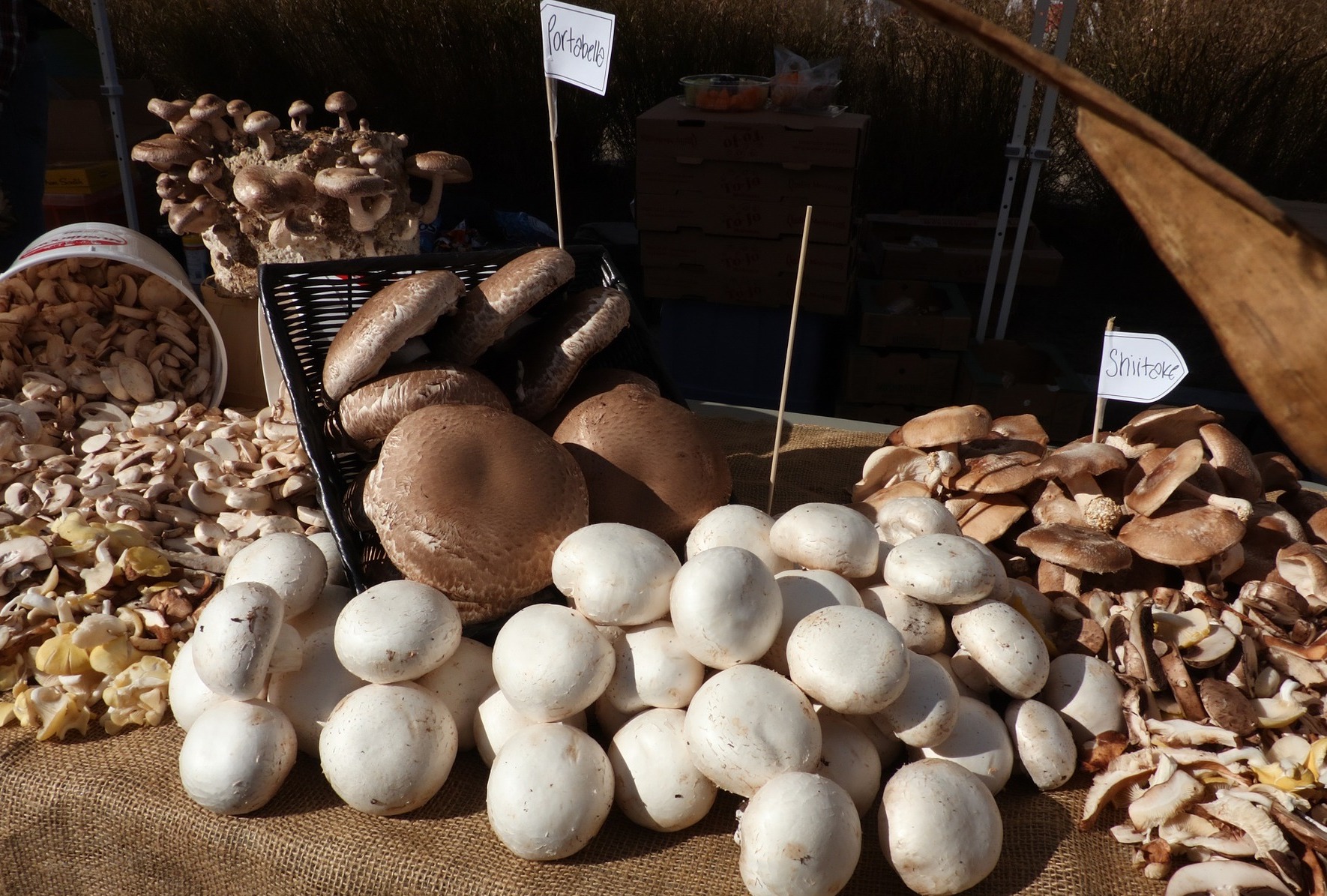
Mushrooms (Sun-Exposed Varieties)
Certain mushrooms develop vitamin D2 when they grow in sunlight. Sun-dried and UV-exposed mushrooms are especially high in this nutrient. They help maintain bone density, respiratory immunity, and assist the body’s natural detoxification.
Cheese (Cheddar, Swiss, and Fortified Varieties)
These cheeses contain vitamin D along with calcium and vitamin K2, supporting bone health, metabolism, and hormone balance.
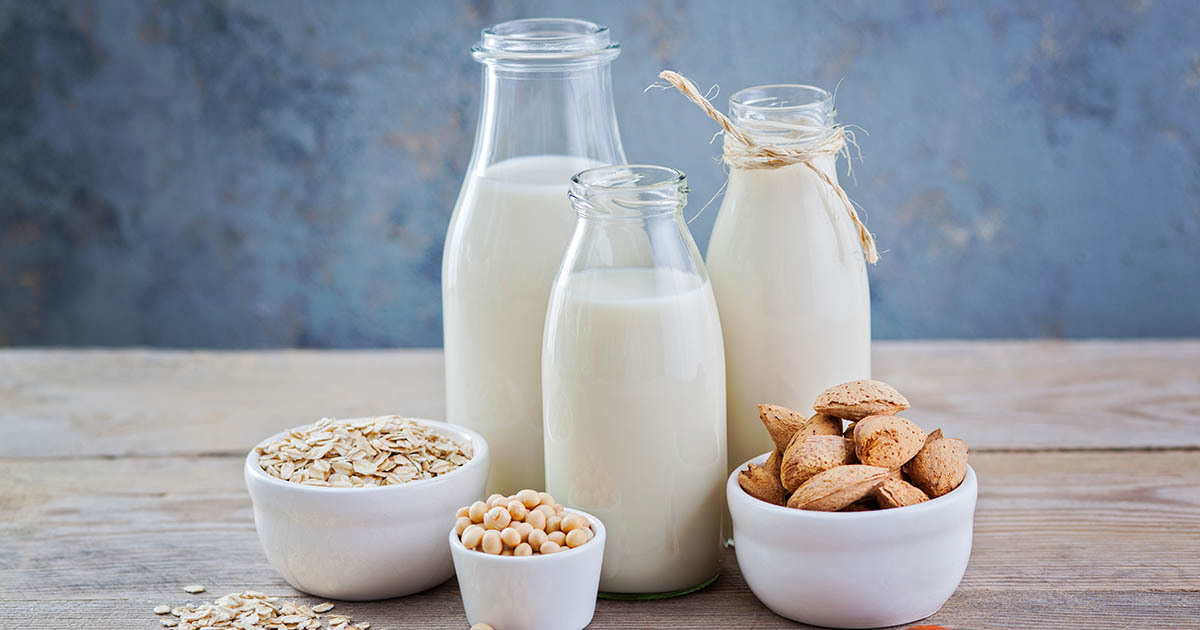
Fortified Milk and Plant Milks
Many dairy and plant-based milks are fortified with vitamin D, helping boost calcium absorption and muscle health. Choose unsweetened options to minimize added sugar.
Vitamin D Supplements (Optional Support)
If you don’t get enough through food or sun, consider a vitamin D capsule, especially in winter months. Always check with your healthcare provider to determine the right dose for you.
How to Boost Vitamin D Absorption
To get the most from dietary vitamin D, combine these foods with healthy fats like olive oil or avocado, keep your gut healthy with fiber-rich foods and probiotics, and seek safe, brief sun exposure when possible.
Signs You May Need More Vitamin D
Many people are low in vitamin D without realizing it. Subtle symptoms can include:
-
Persistent fatigue or low energy
-
Mood swings or feeling down
-
Weakened immunity or frequent illness
-
Muscle aches or soreness
-
Trouble sleeping
-
Bone or joint discomfort
If any of these sound familiar, focusing on vitamin D–rich foods may help restore balance and energy.