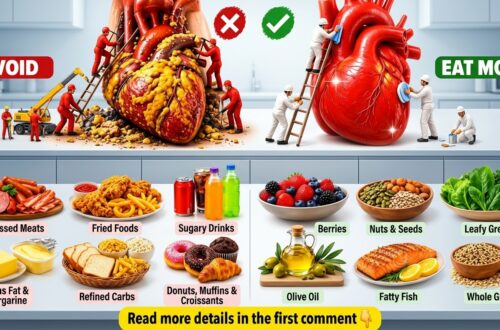
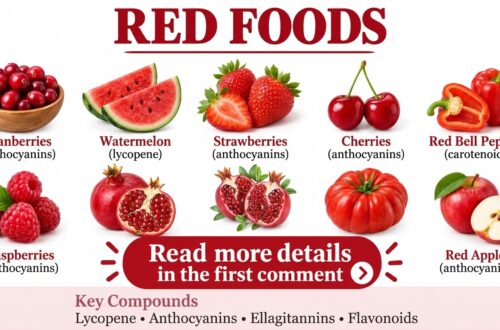
In a world of processed foods and confusing diet trends, many of us are seeking a return to simplicity and nourishment. This is where ancestral nutrition steps in, offering a path to wellness rooted in how our ancestors ate. It’s not about strict rules or deprivation; it’s about reconnecting with whole, nutrient-dense foods that have sustained humanity for generations.
This guide will explore the core principles of ancestral eating, highlight key foods, and show you how to easily incorporate this powerful approach into your daily life. Discover how embracing this ancient wisdom can revitalize your health and well-being.
What is Ancestral Nutrition?
Ancestral nutrition is an eating philosophy that draws inspiration from the diets of our pre-agricultural ancestors. It emphasizes whole, unprocessed foods that are biologically appropriate for human consumption, focusing on nutrient density and natural sourcing. This approach moves away from modern industrial foods like refined sugars, processed oils, and grains, favoring instead a diet rich in:
- Quality animal proteins and fats
- Wild-caught fish and seafood
- Organ meats
- Fermented foods
- Plenty of fruits and vegetables
- Healthy fats from natural sources
The core idea is that our bodies are best adapted to the foods our ancestors thrived on for thousands of years, leading to optimal health, vitality, and disease prevention.
Key Principles of Ancestral Eating
Nutrient Density
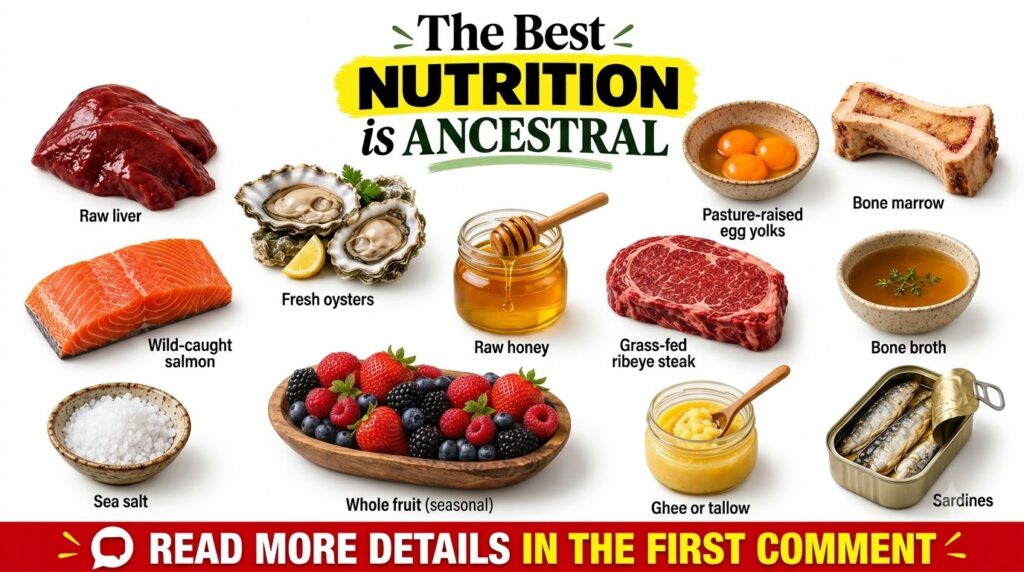
Ancestral foods are chosen for their high concentration of vitamins, minerals, healthy fats, and proteins per calorie. Think liver, oysters, and colorful berries – packed with essential nutrients that support every bodily function.
Whole, Unprocessed Foods
The emphasis is on foods in their most natural state. This means prioritizing fresh produce, quality meats, and healthy fats over anything packaged, refined, or artificial. If it comes from the earth or an animal and isn’t heavily altered, it likely fits the bill.
Healthy Fats
Contrary to popular modern advice, ancestral eating champions healthy saturated and monounsaturated fats from sources like grass-fed meats, pastured eggs, ghee, tallow, and avocados. These fats are crucial for hormone production, cell membrane integrity, and nutrient absorption.
Gut Health Focus
A healthy gut is central to overall health in ancestral nutrition. Fermented foods like sauerkraut, kimchi, and kefir are often included to provide beneficial probiotics, supporting digestion and a robust immune system.
Seasonal & Local Eating
Eating in harmony with nature means consuming foods that are in season and ideally sourced locally. This practice not only provides peak freshness and nutrient content but also supports local communities and sustainable agriculture.
Food Examples to Embrace
- Organ Meats: Liver, heart, and kidney are nutritional powerhouses, rich in iron, B vitamins, and essential minerals.
- Pasture-Raised Meats & Eggs: Sourcing meat from animals raised on their natural diets (grass-fed beef, pastured poultry) ensures higher nutrient content and healthier fat profiles.
- Wild-Caught Fish & Seafood: Salmon, sardines, oysters, and other seafood provide omega-3 fatty acids, iodine, and vitamin D.
- Fermented Foods: Sauerkraut, kimchi, kombucha, and kefir support gut health and enhance nutrient absorption.
- Healthy Fats: Ghee, tallow, coconut oil, avocado oil, and olive oil are excellent for cooking and adding flavor.
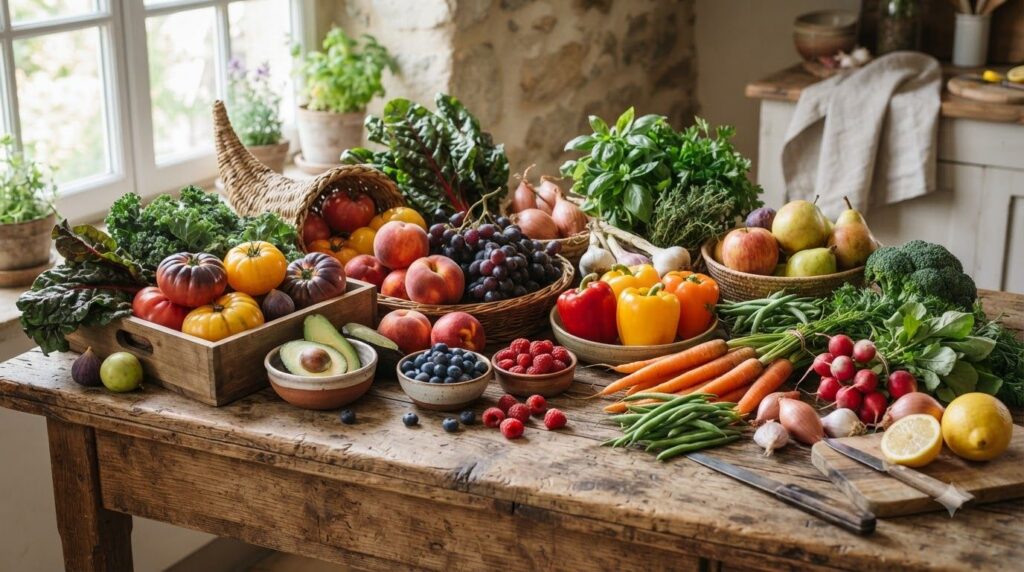
- Fruits & Vegetables: A wide variety of colorful, non-starchy vegetables and lower-sugar fruits provide vitamins, minerals, and antioxidants.
- Bone Broth: Rich in collagen, amino acids, and minerals, bone broth supports gut health, joint health, and skin vitality.
Benefits of Embracing Ancestral Nutrition
Adopting an ancestral way of eating may bring a host of benefits:
- Improved Digestion: By removing inflammatory modern foods and including gut-healing options, many experience better digestive comfort.
- Enhanced Energy & Vitality: Nutrient-dense foods provide sustained energy and support overall bodily functions, leading to increased vitality.
- Balanced Blood Sugar: Focusing on whole foods, healthy fats, and proteins helps stabilize blood sugar levels, reducing cravings and energy crashes.
- Stronger Immunity: A healthy gut, supported by ancestral foods, is a cornerstone of a robust immune system.
- Overall Well-being: Many report improvements in mood, skin health, and a general sense of well-being.

Practical Tips for Incorporating Ancestral Eating
Transitioning to an ancestral diet doesn’t have to be overwhelming. Start with small, manageable changes:
- Prioritize Protein at Every Meal: Focus on high-quality sources like grass-fed meat, pasture-raised eggs, and wild-caught fish.
- Swap Processed Oils: Replace vegetable oils (canola, soybean, corn) with traditional fats like ghee, tallow, coconut oil, or olive oil.
- Increase Vegetable Intake: Aim for a wide variety of colorful, non-starchy vegetables with every meal.
- Experiment with Fermented Foods: Start with a small serving of sauerkraut or kimchi daily to boost gut health.
- Try Organ Meats: Begin with mild options like liver pate or add small amounts of ground liver to your mince.
- Make Bone Broth: Learn to make your own nutrient-rich bone broth or find a high-quality store-bought option.
- Listen to Your Body: Pay attention to how different foods make you feel and adjust your diet accordingly.
FAQs About Ancestral Nutrition
Is ancestral nutrition a strict diet?
It can be, but it doesn’t have to be. Many people adopt it as a flexible framework, focusing on the principles of whole, nutrient-dense foods rather than rigid rules. It’s more of a lifestyle shift.
Do I have to eat organ meats?
While organ meats are highly recommended for their nutrient density, they are not strictly mandatory. However, trying to incorporate even small amounts, or exploring supplements, can be beneficial.
What about grains and legumes?
Ancestral diets typically minimize or exclude grains and legumes due to anti-nutrients and potential digestive issues. Some people tolerate properly prepared (soaked, sprouted, fermented) grains and legumes, so listen to your body.
Is ancestral eating expensive?
It can be, especially if you opt for all organic, grass-fed, and wild-caught foods. However, strategic shopping, utilizing organ meats, making your own bone broth, and minimizing food waste can help manage costs.
Is this diet sustainable long-term?
For many, ancestral eating is very sustainable because it focuses on real food and listening to your body, promoting a healthy relationship with food rather than restrictive calorie counting.
Can children follow an ancestral diet?
Yes, many families find ancestral nutrition highly beneficial for children, as it prioritizes nutrient-dense foods crucial for growth and development, while avoiding processed ingredients.
Conclusion
Embracing ancestral nutrition offers a powerful path to reclaiming your health and vitality. By returning to the wisdom of our ancestors and prioritizing whole, unprocessed, nutrient-dense foods, you can nourish your body from the inside out. It’s a journey towards greater well-being, sustained energy, and a deeper connection to the food that truly fuels us. We encourage you to explore these ancient food traditions and discover the transformative power of eating like our ancestors.
This content is for educational purposes only and should not be considered medical advice. Consult a qualified healthcare professional for personalized dietary recommendations.
Explore More Healthy Food Content:
- High Protein Breakfast Ideas
- Best Foods for Gut Health
- Healthy Fats for Brain Health
- Easy Meal Prep for Beginners
- Superfoods for a Strong Immune System