Your heart is the engine of your body, working tirelessly every second of every day. And just like any engine, its performance and longevity depend heavily on the fuel you put into it. The good news? Your daily plate holds the secret to a thriving heart. Small dietary changes can make a huge difference, paving the way for a vibrant, energetic life.
Understanding how your food choices impact cardiovascular health is a powerful step towards taking control of your well-being. It’s not about strict diets or deprivation, but about making informed, delicious choices that nourish your heart from the inside out.
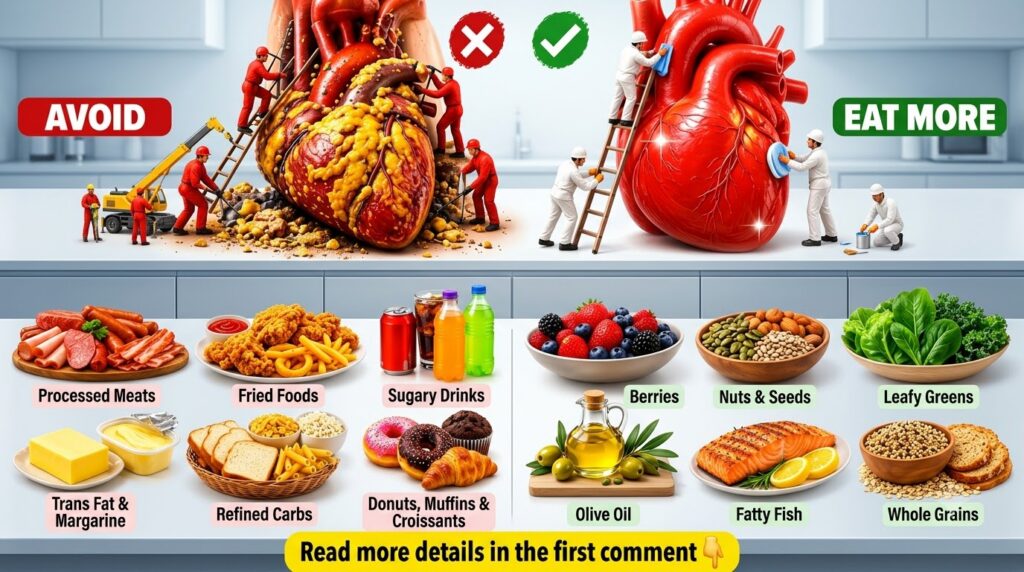
The Power of Your Plate: How Food Influences Heart Health
Every bite you take can either support or challenge your cardiovascular system. Foods rich in certain nutrients can help maintain healthy blood pressure, cholesterol levels, and blood vessel function, while others may contribute to inflammation, plaque buildup, and other heart-related concerns. It’s a continuous process where your diet acts as a key determinant of your heart’s long-term health.
Foods to Embrace for a Healthy Heart (Eat More!)
Focusing on a balanced intake of these nourishing foods can significantly support your heart’s health:
1. Fruits and Vegetables
- Why they matter: Packed with vitamins, minerals, fiber, and antioxidants, fruits and vegetables help reduce inflammation and protect against cellular damage. Their high fiber content also contributes to healthy cholesterol levels.
- Examples: Berries, leafy greens (spinach, kale), broccoli, carrots, apples, oranges, bell peppers.
2. Whole Grains
- Why they matter: Unlike refined grains, whole grains retain their bran, germ, and endosperm, providing essential fiber, B vitamins, and minerals. This fiber helps lower LDL (bad) cholesterol and maintain stable blood sugar levels.
- Examples: Oats, brown rice, quinoa, whole-wheat bread and pasta, barley.
3. Lean Proteins
- Why they matter: Important for building and repairing tissues without adding excessive unhealthy fats. Opt for sources that are low in saturated fat.
- Examples:
- Plant-based: Legumes (beans, lentils), tofu, tempeh, nuts, seeds.
- Fish: Fatty fish like salmon, mackerel, and sardines are rich in omega-3 fatty acids, which are associated with reduced inflammation and lower triglyceride levels.
- Poultry: Skinless chicken and turkey breast.
4. Healthy Fats
- Why they matter: Not all fats are created equal. Monounsaturated and polyunsaturated fats (especially omega-3s) are beneficial for heart health, helping to lower LDL cholesterol and reduce the risk of heart disease.
- Examples: Avocados, olive oil, nuts (almonds, walnuts), seeds (chia, flax), fatty fish.
Foods to Limit for a Healthy Heart (Avoid/Reduce)
While an occasional treat is fine, consistent consumption of these foods may negatively impact your heart:
1. Processed Foods
- Why they matter: Often high in unhealthy fats, sodium, and added sugars, processed foods offer little nutritional value and can contribute to weight gain, high blood pressure, and inflammation.
- Examples: Packaged snacks, fast food, processed meats (sausage, bacon), sugary cereals.
2. Saturated and Trans Fats
- Why they matter: Saturated fats, primarily found in animal products, can raise LDL (bad) cholesterol. Trans fats, often found in processed baked goods and fried foods, are particularly harmful as they raise LDL and lower HDL (good) cholesterol.
- Examples: Fatty cuts of red meat, full-fat dairy products, butter, many commercially baked goods, deep-fried foods.
3. Excess Sodium (Salt)
- Why they matter: High sodium intake is a major contributor to high blood pressure, which can strain the heart and blood vessels, increasing the risk of heart disease and stroke.
- Examples: Canned soups, processed and pre-packaged meals, fast food, cured meats.
4. Added Sugars
- Why they matter: Excessive sugar consumption can lead to weight gain, inflammation, high triglycerides, and an increased risk of type 2 diabetes, all factors that negatively impact heart health.
- Examples: Sugary drinks (sodas, sweetened juices), candies, pastries, desserts.
Practical Tips for a Heart-Healthy Eating Pattern
- Read Food Labels: Pay attention to saturated fat, trans fat, sodium, and added sugar content.
- Cook at Home: Preparing your own meals gives you control over ingredients.
- Portion Control: Even healthy foods should be consumed in moderation.
- Hydrate with Water: Replace sugary drinks with water.
- Mindful Eating: Pay attention to your body’s hunger and fullness cues.
- Consult a Professional: If you have specific dietary concerns or existing health conditions, speak with a healthcare provider or registered dietitian.
Final Thoughts: Your Heart, Your Choices
Your daily food choices are powerful tools in maintaining a strong, healthy heart. By embracing nutrient-dense whole foods and limiting processed options, you’re not just eating for today; you’re investing in a future of vitality and well-being. Remember, small, consistent changes are often the most sustainable and impactful.
Disclaimer: This article is intended for educational purposes only and does not constitute medical advice. Always consult with a qualified healthcare professional for any health concerns or before making any changes to your diet or treatment plan.