Most people ignore this part, tossing it out without a second thought. While the vibrant orange flesh of the pumpkin gets all the autumn adoration, it’s the humble, often-discarded seeds that many herbalists and health enthusiasts consider a true hidden gem. These small powerhouses harbor incredible properties, making them a natural remedy waiting to be discovered and integrated into your daily wellness routine.
It’s time to stop overlooking the potent potential locked within each tiny kernel. This guide will walk you through transforming these undervalued seeds into a practical, everyday remedy, ensuring you never throw away their healing benefits again.
What Are Pumpkin Seeds and Why Do They Matter?
Pumpkin seeds, known botanically as Cucurbita pepo, are the edible seeds found inside pumpkins. While often associated with Halloween and Thanksgiving, their nutritional profile extends far beyond seasonal snacks. Traditionally, indigenous cultures throughout the Americas have valued pumpkin seeds not just as food, but for their medicinal properties. These seeds are packed with essential nutrients like magnesium, zinc, iron, healthy fats, and antioxidants, making them a cornerstone for various aspects of wellness, from heart health to immune support.
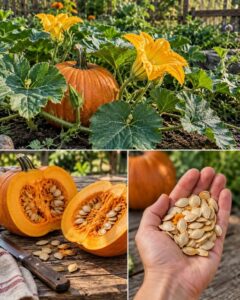
Your Simple Pumpkin Seed Remedy: Roasted & Ready
The easiest and most effective way to incorporate pumpkin seeds into your diet for their healing benefits is by roasting them. Roasting enhances their flavor and makes them an enjoyable, crunchy snack or addition to meals. This preparation unlocks their full potential without complicated steps.
Ingredients
- 1 cup (approximately) raw pumpkin seeds, fresh from a pumpkin or store-bought
- 1 teaspoon olive oil or avocado oil
- Pinch of sea salt (optional, adjust to taste)
Approximate Measurements for Daily Use
For therapeutic benefits, a general recommendation is to consume about 1/4 to 1/2 cup of roasted pumpkin seeds per day. This amount provides a significant intake of key nutrients without overdoing it on calories or fiber.
Formula / Recipe: Homemade Roasted Pumpkin Seeds
Preparing your own pumpkin seeds ensures freshness and allows you to control the ingredients, avoiding unwanted additives found in many commercial varieties.
Step-by-Step Method
- Clean the Seeds: If using fresh pumpkin seeds, scoop them out of the pumpkin and separate them from the stringy pulp. Rinse them thoroughly under cold water in a colander until all the pulp is removed.
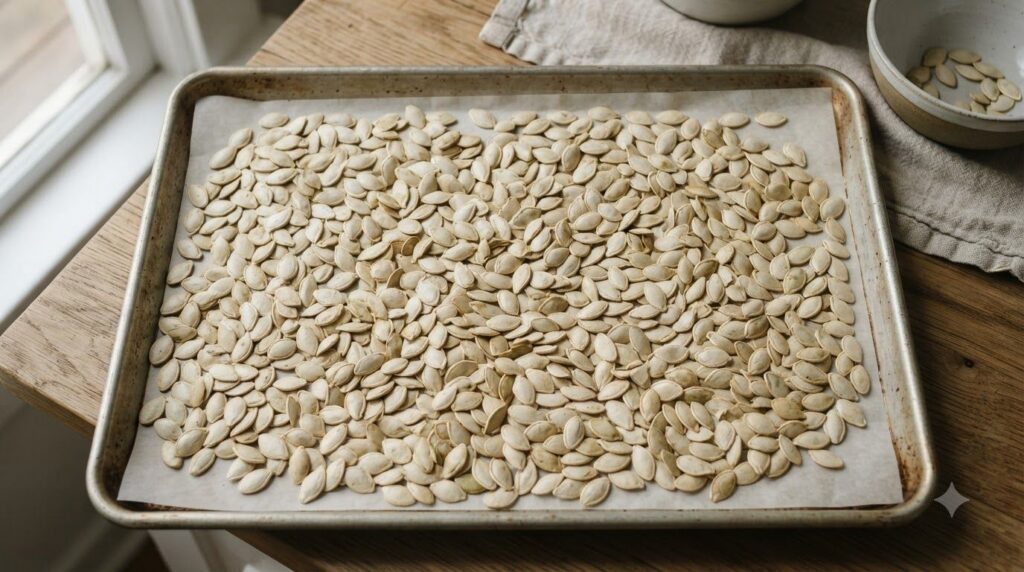
- Dry Thoroughly: This is a crucial step that many people skip! Spread the clean seeds in a single layer on a baking sheet lined with parchment paper or a clean kitchen towel. Allow them to air dry for several hours, or even overnight, until they are completely dry to the touch. This prevents steaming and promotes crispiness during roasting.
- Preheat Oven: Preheat your oven to 300°F (150°C).
- Season: In a bowl, toss the dried pumpkin seeds with olive oil (or avocado oil) and a pinch of sea salt, if desired. Ensure they are evenly coated.
- Roast: Spread the seasoned seeds in a single layer on a baking sheet. Roast for 15-25 minutes, stirring occasionally, until they are golden brown and crunchy. Keep a close eye on them to prevent burning.
- Cool: Remove from the oven and let them cool completely on the baking sheet before storing. They will crisp up further as they cool.
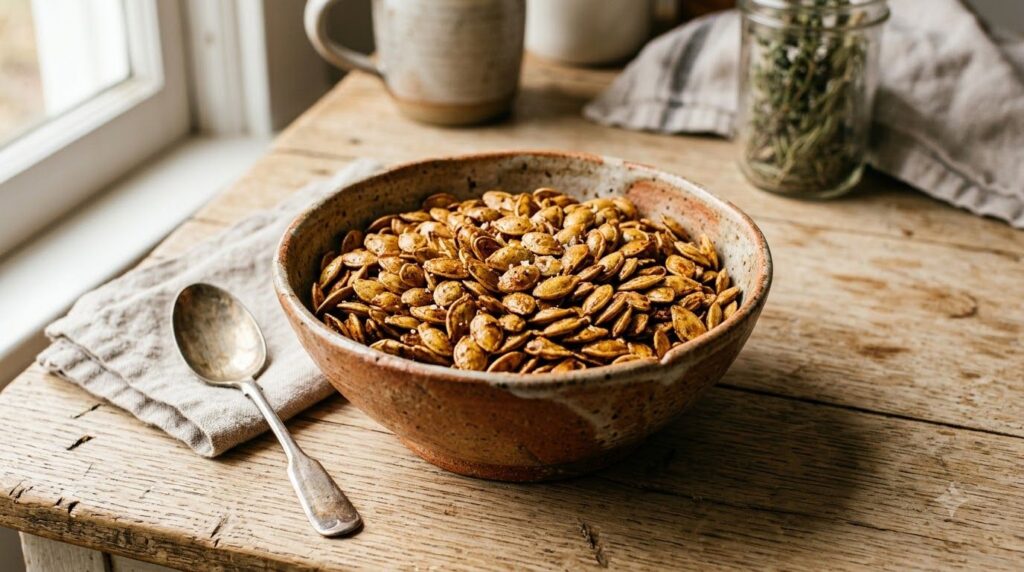
How to Use
Enjoy roasted pumpkin seeds:
- As a standalone snack.
- Sprinkled over salads for added crunch and nutrition.
- Mixed into oatmeal, yogurt, or granola.
- Blended into smoothies for a nutrient boost.
- Added to homemade bread or muffins.
How Often to Use
For consistent benefits, aim to consume pumpkin seeds daily. A handful (approximately 1/4 cup) once or twice a day is an excellent habit. Listen to your body and adjust the quantity as needed.
Quick Tip: Experiment with Flavors!
Beyond salt, try roasting your pumpkin seeds with a dash of cinnamon and nutmeg for a sweet treat, or cayenne pepper and cumin for a spicy kick. The possibilities are endless for making this remedy delicious!
How to Buy / How to Choose Ingredients
When purchasing pumpkin seeds:
- Raw & Unsalted: Always opt for raw, unsalted seeds if you’re not getting them fresh from a pumpkin. This allows you to control the seasoning and ensures they haven’t been processed with unhealthy oils or excessive sodium.
- Organic: Choose organic pumpkin seeds when possible to avoid pesticides and other chemicals.
- Shelled vs. Shell-on: Shelled (pepitas) are convenient for direct consumption. Shell-on seeds can be roasted and eaten whole, providing extra fiber, though some prefer to remove the shell after roasting.
Storage
- Raw Seeds: Store raw pumpkin seeds in an airtight container in a cool, dark place for up to 6 months, or in the refrigerator for up to a year.
- Roasted Seeds: Once roasted and completely cooled, store them in an airtight container at room temperature for up to 1-2 weeks. For longer storage, you can refrigerate them for up to a month. Ensure they are completely cool and dry before sealing to prevent moisture buildup and spoilage.
Practical Tips for Maximizing Benefits
- Soaking (Optional): Some prefer to soak raw pumpkin seeds overnight before drying and roasting. This can help reduce phytic acid, potentially improving nutrient absorption, though roasting also helps break down phytic acid.
- Grind into Powder: For a versatile addition to smoothies or baking, grind roasted pumpkin seeds into a coarse powder using a coffee grinder or food processor.
- Combine with Other Nuts/Seeds: Create a custom trail mix by combining pumpkin seeds with other nutrient-dense nuts and seeds like almonds, walnuts, or sunflower seeds.
Common Mistakes to Avoid
- Not Drying Seeds Properly: Wet seeds will steam instead of roast, resulting in a chewy, rather than crispy, texture.
- Over-roasting: Burnt seeds taste bitter and can degrade some of their beneficial nutrients. Watch them closely, especially towards the end of the roasting time.
- Buying Pre-salted/Oiled Varieties: Commercial roasted seeds often contain unhealthy oils, excessive salt, or preservatives. Making your own gives you full control.
- Improper Storage: Storing roasted seeds in an unsealed container or in a warm, humid environment can lead to them going stale or rancid quickly.
Cautions / Who Should Avoid It
Pumpkin seeds are generally safe for most people. However, consider the following:
- Allergies: While uncommon, some individuals may have an allergy to pumpkin seeds. Symptoms can include hives, swelling, or difficulty breathing.
- High Fiber Content: Due to their high fiber content, consuming very large quantities rapidly might cause digestive discomfort like bloating or gas for some sensitive individuals. Increase intake gradually.
- Interaction with Medications: People on blood-thinning medication should consult a doctor before significantly increasing their intake, as pumpkin seeds contain vitamin K, which plays a role in blood clotting.
You may also like: See the full guide on Flax Seeds Benefits
Quick Summary: Your Pumpkin Seed Remedy Cheat Sheet
- Best Preparation: Home-roasted, lightly seasoned pumpkin seeds.
- Best Use-Case: Daily snack, salad topping, or added to breakfast.
- Storage: Airtight container; raw up to 1 year refrigerated, roasted up to 2 weeks at room temperature.
- When to Use: Daily for consistent nutritional support and wellness benefits.
- What to Avoid: Heavily processed, salted, or artificially flavored commercial varieties.
FAQ
| Feature | Raw Pumpkin Seeds | Roasted Pumpkin Seeds |
|---|---|---|
| Flavor & Texture | Chewy, mild, earthy | Crunchy, nutty, enhanced flavor |
| Nutrient Profile | Higher phytic acid (can reduce nutrient absorption) | Slightly reduced phytic acid, some nutrient loss from heat but generally well-retained |
| Shelf Life | Up to 1 year (refrigerated) | Up to 2 weeks (room temp), longer refrigerated |
| Best Use | Soaking, seed milks, raw recipes | Snacking, topping, adding to cooked dishes |
Q1: Can I use fresh or dried pumpkin seeds?
A: You can use both! Fresh seeds scooped directly from a pumpkin are excellent. Store-bought dried seeds (often labeled ‘pepitas’) are also great, just ensure they are raw and unsalted.
Q2: How long do homemade roasted pumpkin seeds last?
A: When stored in an airtight container, they typically last 1-2 weeks at room temperature. Refrigerating them can extend their freshness up to a month.
Q3: How often should I use pumpkin seeds for benefits?
A: For optimal benefits, incorporating a serving (1/4 to 1/2 cup) daily is recommended.
Q4: What part of the pumpkin is best for seeds?
A: The seeds themselves are the beneficial part. While the flesh is nutritious, the seeds offer a unique concentration of specific minerals and healthy fats.
Q5: Can I reuse the seeds from an old pumpkin?
A: As long as the pumpkin itself isn’t spoiled or moldy, the seeds are perfectly fine to harvest and prepare. Just clean them thoroughly.
Q6: When should I avoid consuming pumpkin seeds?
A: Avoid if you have a known allergy. If you’re on blood thinners or have severe digestive issues, consult your healthcare provider before significantly increasing intake.
Q7: Are pumpkin seeds good for prostate health?
A: Yes, pumpkin seeds are often lauded for their benefits to prostate health, primarily due to their high zinc content, which is crucial for prostate function.
Related remedy: Learn how to make a simple Turmeric Ginger Tonic
Embrace the Discarded Treasure
Pumpkin seeds are far more than just a byproduct of carving a jack-o’-lantern or cooking a pie. They are a potent, accessible, and delicious natural remedy that can significantly contribute to your overall well-being. By taking a few simple steps to prepare them at home, you transform these often-discarded treasures into a daily habit that nurtures your body with essential nutrients. Start incorporating this simple, versatile remedy into your life, and you’ll quickly discover the untapped power of the humble pumpkin seed.