Welcome, fellow garden enthusiasts! Here at Garden – L. Quyên, we’re always looking for innovative and sustainable ways to nurture our beloved plants. Today, we’re diving into a wonderfully simple yet incredibly effective method that transforms kitchen waste into garden gold: Fermented Grape Scrap Tea.
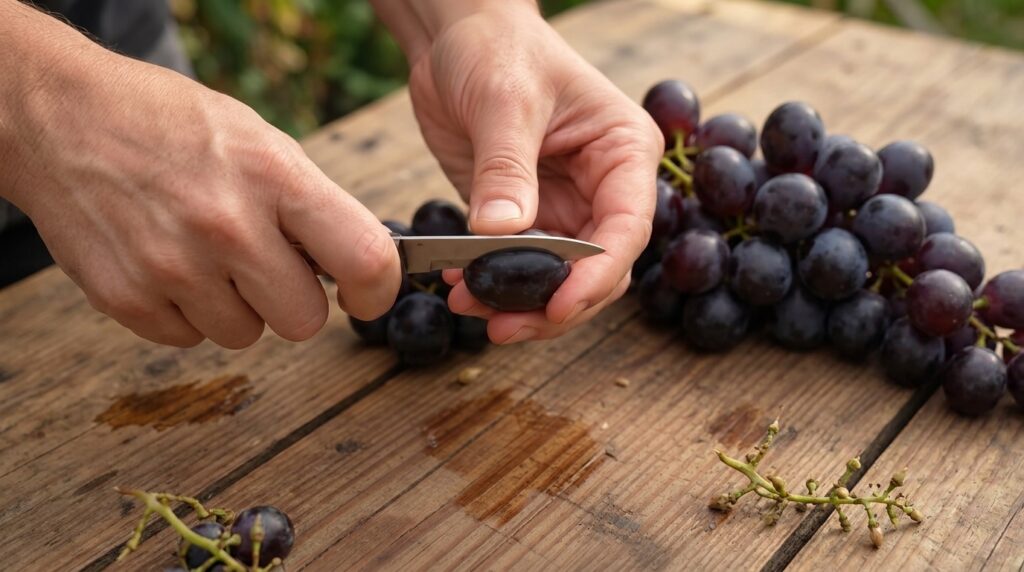
You know that satisfying feeling of preparing fresh fruit, maybe for a snack or a delicious recipe? That moment of freshness and precision, as you carefully slice a vibrant grape, is just the beginning of its potential! Instead of discarding the skins and stems, we can give them a second life, enriching our garden soil and boosting plant health.
Why Fermented Grape Scrap Tea is a Garden Game-Changer
Before we get our hands dirty (or rather, sticky with grape juice!), let’s explore why this homemade concoction is so beneficial for your garden:
- Nutrient Boost: Grape skins and stems, often overlooked, are packed with essential micronutrients that plants crave, like potassium, phosphorus, and various trace minerals. Fermentation breaks these down, making them more readily available for plant uptake.
- Microbial Powerhouse: The fermentation process introduces beneficial microorganisms into the mix. When added to your soil, these microbes improve soil structure, enhance nutrient cycling, and can even help suppress harmful pathogens.
- Sustainable Gardening: This method perfectly aligns with organic and sustainable gardening principles. You’re reducing waste, recycling resources, and creating a natural, chemical-free fertilizer right in your own home. It’s a fantastic way to give back to Mother Earth!
- Improved Soil Health: Regular application of fermented tea helps to build healthy, living soil, which is the foundation for thriving plants. It can improve water retention and aeration, too.
What You’ll Need
Gathering your supplies is the first simple step:
- Grape Scraps: Skins, stems, and any bits of pulp from fresh grapes. You’ll need about 1-2 cups.
- Water: Non-chlorinated water is best (rainwater, distilled water, or tap water left out for 24 hours to dissipate chlorine).
- Sugar or Molasses: A tablespoon or two. This acts as food for the beneficial microbes during fermentation.
- A Clean Jar or Container: With a lid, large enough to hold your scraps and water (a quart-sized jar works well).
- Stirring Utensil: A wooden spoon or chopstick.
Step-by-Step Guide to Making Fermented Grape Scrap Tea
1. Prepare Your Scraps
Collect your grape skins and stems. You can use scraps from any type of grape – red, green, or black. Give them a quick rinse if they’re particularly sticky or dirty.
2. Combine Ingredients
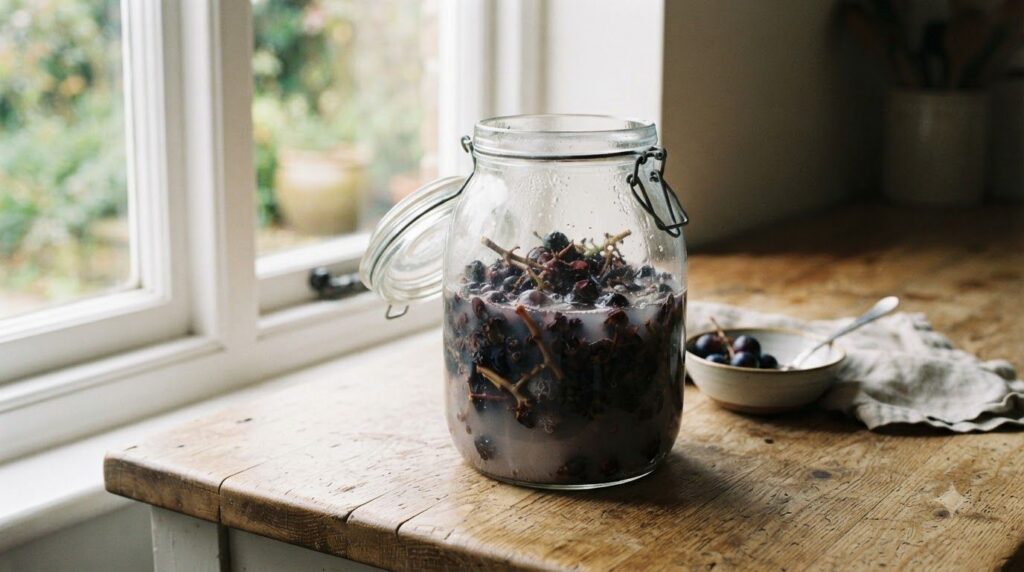
Place your grape scraps into the clean jar. Add 1-2 tablespoons of sugar or molasses. Fill the jar with non-chlorinated water, leaving about an inch of headspace at the top.
3. Stir and Seal
Stir the mixture well with your utensil to dissolve the sugar and ensure the scraps are submerged. Loosely cover the jar with a lid. You don’t want an airtight seal, as gases will be produced during fermentation and need to escape. A fermentation airlock is ideal, but a loose lid or even a cloth secured with a rubber band works too.
4. Ferment
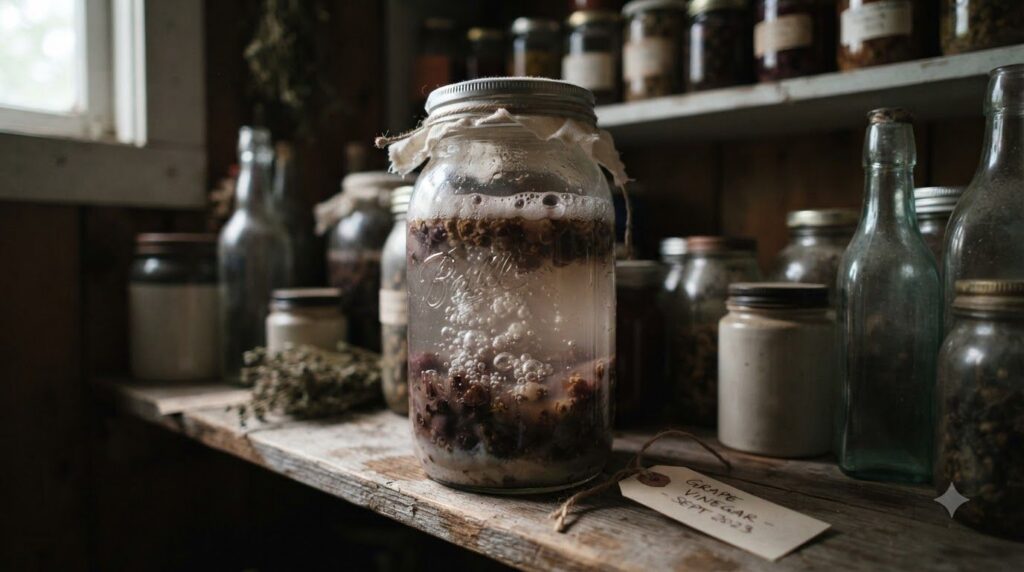
Place the jar in a cool, dark place, away from direct sunlight. Let it ferment for 7-14 days. You’ll notice bubbles forming, which indicates active fermentation. The liquid may become cloudy, and you might detect a slightly sweet, earthy, or yeasty smell – this is normal!
5. Strain and Store
Once fermentation is complete (fewer bubbles appearing), strain the liquid into another clean container. Discard the solid scraps (or add them to your compost pile!). Store the concentrated tea in a sealed container in a cool, dark place. It should last for several weeks.
How to Use Your Grape Scrap Tea
This fermented tea is a concentrate, so it needs to be diluted before use.
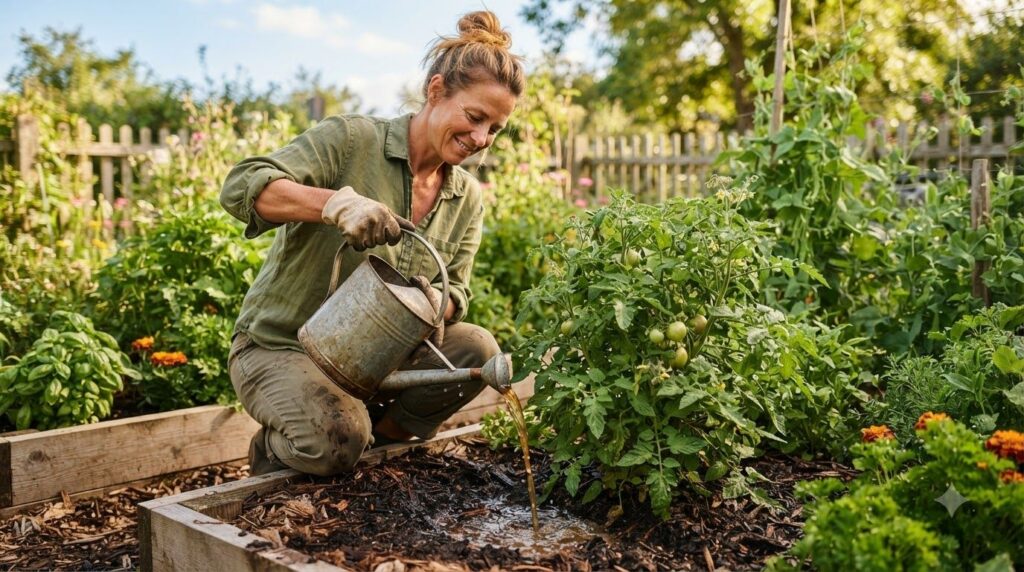
- Dilution: Mix 1 part grape scrap tea with 10 parts non-chlorinated water. For example, 1 cup of tea to 10 cups of water.
- Foliar Spray: Pour the diluted tea into a spray bottle and mist the leaves of your plants. This allows for quick absorption of nutrients and can help deter some pests. Apply in the early morning or late evening to avoid leaf burn.
- Soil Drench: Use the diluted tea to water the base of your plants. This feeds the soil microbes directly and delivers nutrients to the roots.
- Compost Activator: Add the concentrated tea directly to your compost pile to speed up decomposition and enrich the compost.
Tips for Success
- Consistency is Key: For best results, apply the tea every 2-4 weeks during the growing season.
- Observe Your Plants: Pay attention to how your plants respond. If you see any adverse reactions (which are rare with diluted organic fertilizers), adjust the frequency or dilution ratio.
- Don’t Overdo It: While beneficial, it’s still a fertilizer. Stick to the recommended dilution to avoid overwhelming your plants.
- Experiment: Feel free to try this method with other fruit or vegetable scraps, like banana peels or vegetable trimmings, adjusting sugar content as needed.
Turning grape scraps into a potent garden tea is a simple, rewarding, and incredibly sustainable practice. It embodies the spirit of organic gardening, helping you cultivate healthier plants and richer soil without relying on synthetic chemicals. Give it a try, and watch your garden flourish with this homemade goodness!
Happy gardening!