Imagine plucking plump, juicy grapes right from your own backyard! It might seem like a dream, but growing your own grapes from seed is a wonderfully rewarding journey that’s more accessible than you think. While it requires patience, the satisfaction of harvesting your homegrown fruit is truly unmatched. Let’s embark on this sweet adventure together and turn your gardening dreams into a delicious reality!
Why Grow Grapes from Seed?
There’s something uniquely satisfying about nurturing a plant from its very beginning. Growing grapes from seed offers several benefits:
- A Unique Experience: You get to witness every stage of growth, fostering a deeper connection with your garden.
- Cost-Effective: Seeds are much more affordable than purchasing established vines.
- Genetic Diversity: While grape seeds don’t always produce an identical vine to the parent, you might discover a new, exciting variety!
- Deep Satisfaction: The pride of harvesting grapes that you’ve grown from scratch is immense.
Getting Started: The Right Seeds & Preparation
The first step on your grape-growing journey is all about selecting and preparing your seeds. This crucial stage sets the foundation for success.
Choosing Your Grape Variety
Before you begin, consider what kind of grapes you want to grow. Some varieties are better suited for specific climates. For example, Concord, Niagara, and Thompson Seedless are popular choices. Research varieties that thrive in your local area and consider if you want table grapes, wine grapes, or juice grapes.
Extracting and Preparing Seeds
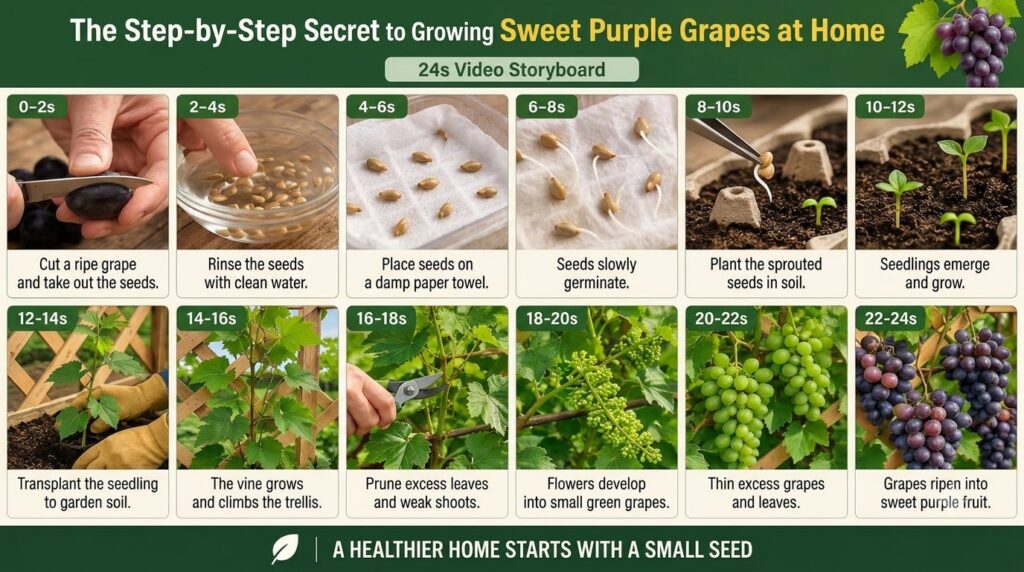
- Select Ripe Grapes: Choose fully ripe, healthy grapes from a reliable source. Avoid any that show signs of disease or damage.
- Extract Seeds: Carefully cut the grapes and extract the seeds. You might find 1-4 seeds per grape.
- Clean Thoroughly: Wash the seeds under running water to remove all pulp and sugar residues. This prevents mold growth.
- Float Test: Place the clean seeds in a glass of water. Discard any seeds that float, as they are likely not viable. Keep the ones that sink.
- Dry: Gently pat the viable seeds dry with a paper towel.
Stratification: Mimicking Winter
Grape seeds need a period of cold, moist conditions to break dormancy, a process called stratification. This simulates winter, signaling to the seed that spring is coming and it’s time to germinate.
- Prepare a Medium: Mix a small amount of peat moss, sand, or moistened paper towels.
- Place Seeds: Put the cleaned grape seeds into the medium.
- Seal: Place the mixture in a resealable plastic bag or an airtight container.
- Refrigerate: Store the bag in your refrigerator (not freezer) for 2-3 months at a temperature between 35-40°F (1-4°C). Check periodically to ensure the medium remains moist and free of mold.
Germination: Bringing Life to Your Seeds
After stratification, your seeds are ready to awaken!
The Right Conditions
Once the stratification period is over, remove the seeds from the refrigerator. Allow them to slowly come to room temperature before planting.
Planting Your Stratified Seeds
- Prepare Pots: Fill small pots (about 4-6 inches deep) with a well-draining potting mix. A mix designed for seedlings or containing perlite and sand works well.
- Plant Seeds: Plant one or two seeds per pot, about ½ inch deep.
- Water: Water gently to moisten the soil thoroughly.
- Provide Warmth: Place the pots in a warm spot, ideally around 70-80°F (21-27°C). A heat mat can be very helpful.
- Light: Provide plenty of indirect light. A sunny windowsill or grow lights are ideal.
Patience is Key
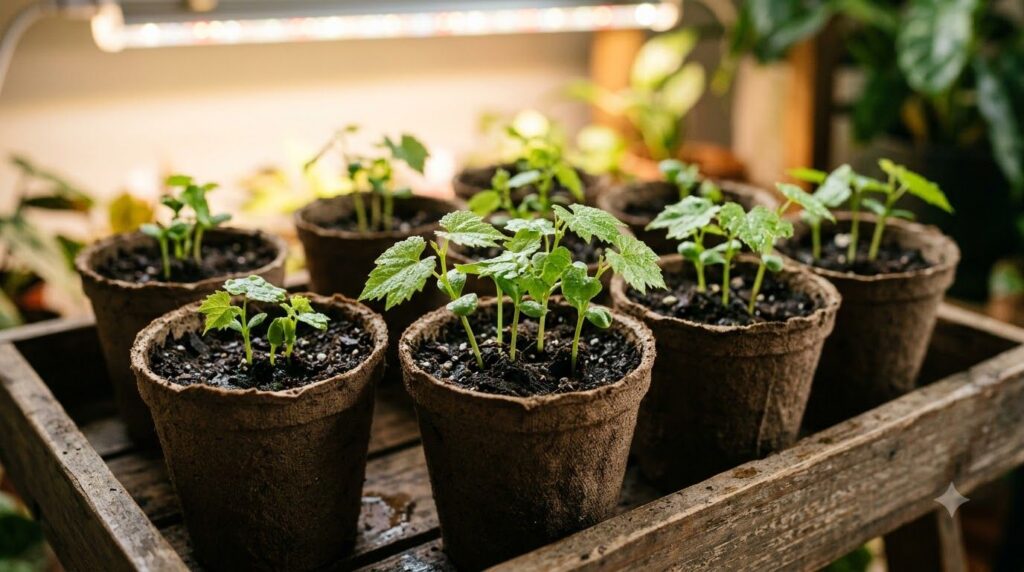
Grape seeds can take anywhere from a few weeks to two months to germinate. Don’t lose hope if you don’t see immediate sprouts. Keep the soil consistently moist but not waterlogged. Once seedlings emerge, ensure they receive adequate light to prevent them from becoming leggy.
From Seedling to Vine: Nurturing Growth
As your seedlings grow, they’ll need more space and support to develop into strong grapevines.
Transplanting Young Seedlings
Once your seedlings have developed a few sets of true leaves and are strong enough to handle, carefully transplant them into larger individual pots or directly into your garden if the weather conditions are suitable and all danger of frost has passed. Be gentle with the delicate roots.
Choosing the Right Location
Grapes thrive in full sun, meaning at least 6-8 hours of direct sunlight per day. They also need well-draining soil with a pH between 6.0 and 7.0. If your soil is heavy clay, amend it with organic matter like compost to improve drainage and fertility.
Providing Support
Grapevines are climbers and need a strong support system. Install a trellis, arbor, or sturdy fence before planting your young vines. Guide the tendrils of your growing vine to attach to the support structure as it grows.
Essential Care for Thriving Grapevines
Consistent care is crucial for healthy grape production.
Watering Wisdom
Young grapevines need regular watering, especially during dry spells, to establish a strong root system. Once established, they are somewhat drought-tolerant but will benefit from deep watering during fruiting season. Avoid overhead watering to prevent fungal diseases.
Fertilization
Feed your grapevines with a balanced fertilizer in early spring as new growth begins. Adjust feeding based on soil tests and the vigor of your vine. Avoid over-fertilizing, especially with nitrogen, which can promote leafy growth at the expense of fruit.
Pruning for Health and Yield
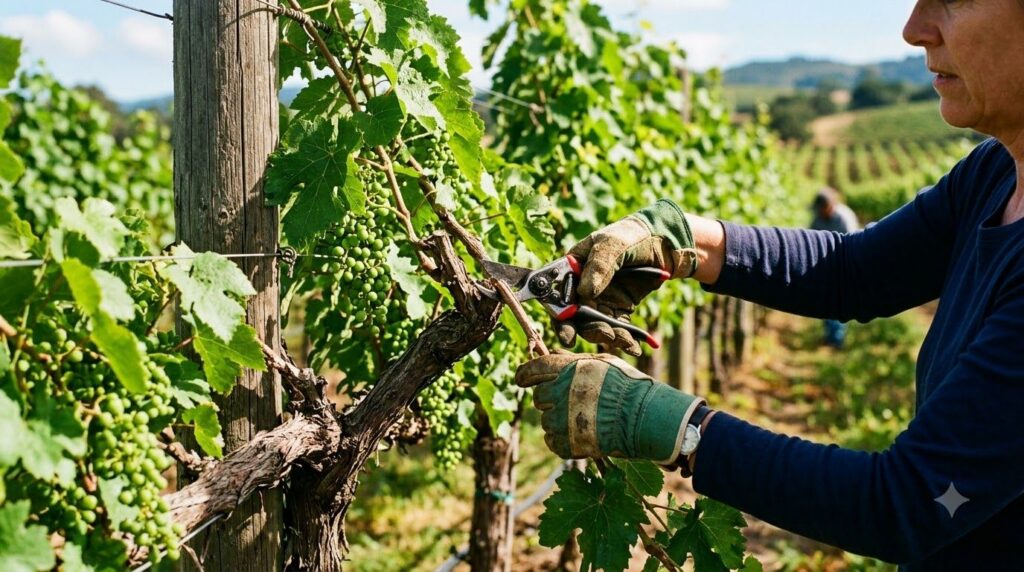
Pruning is perhaps the most critical aspect of grape care. It encourages fruit production, maintains vine shape, and improves air circulation. The main pruning is typically done in late winter or early spring while the vine is dormant. There are various pruning techniques (e.g., cane pruning, spur pruning) depending on your grape variety and desired outcome. Research the best method for your specific grapes.
Pest and Disease Management
Keep a watchful eye for common grape pests like aphids, Japanese beetles, and grape berry moths, as well as diseases such as powdery mildew and black rot. Good air circulation through proper pruning helps prevent many fungal issues. Use organic pest control methods when possible.
The Sweet Reward: Flowering and Fruiting
The moment you’ve been waiting for, seeing your vine burst into bloom and then laden with fruit!
Understanding Flowering
Grapevines typically flower in late spring or early summer, producing small, greenish clusters of flowers. These flowers are usually self-pollinating. Depending on the variety, it can take 3-7 years for a vine grown from seed to start producing fruit.
Watching Your Grapes Ripen
After successful pollination, the flowers develop into tiny green berries. As they mature, they will swell and change color, gradually turning purple, red, or green depending on the variety. The taste will also sweeten significantly. Keep an eye out for birds and other critters that might want to share your harvest!
Harvesting Your Homegrown Treasure
Grapes are usually harvested when they are fully ripe, as they do not continue to ripen after being picked. Taste a few to determine ripeness. When they are sweet and flavorful, simply snip the clusters from the vine with clean pruning shears.
Conclusion
Growing grapes from seed is an incredibly rewarding endeavor that connects you deeply with nature and provides delicious, fresh fruit for years to come. While it asks for a bit of patience and consistent care, the sweet taste of your homegrown grapes will make every effort worthwhile. Are you ready to start your own sweet journey? Share your grape-growing dreams in the comments below!