Understanding Uric Acid and Your Health
Uric acid is a natural waste product formed when your body breaks down purines. Purines are substances found naturally in your body’s cells and in many foods you eat. Normally, uric acid dissolves in your blood, travels to your kidneys, and is eliminated from your body through urine. However, if your body produces too much uric acid or your kidneys don’t excrete enough, it can build up, leading to a condition called hyperuricemia.
When uric acid levels in the blood become too high, it can form painful crystals in your joints, leading to gout – a type of inflammatory arthritis characterized by sudden, severe attacks of pain, redness, and tenderness in joints, often the big toe. High uric acid can also contribute to kidney stones and other health issues. The good news is that dietary choices play a significant role in managing uric acid levels.
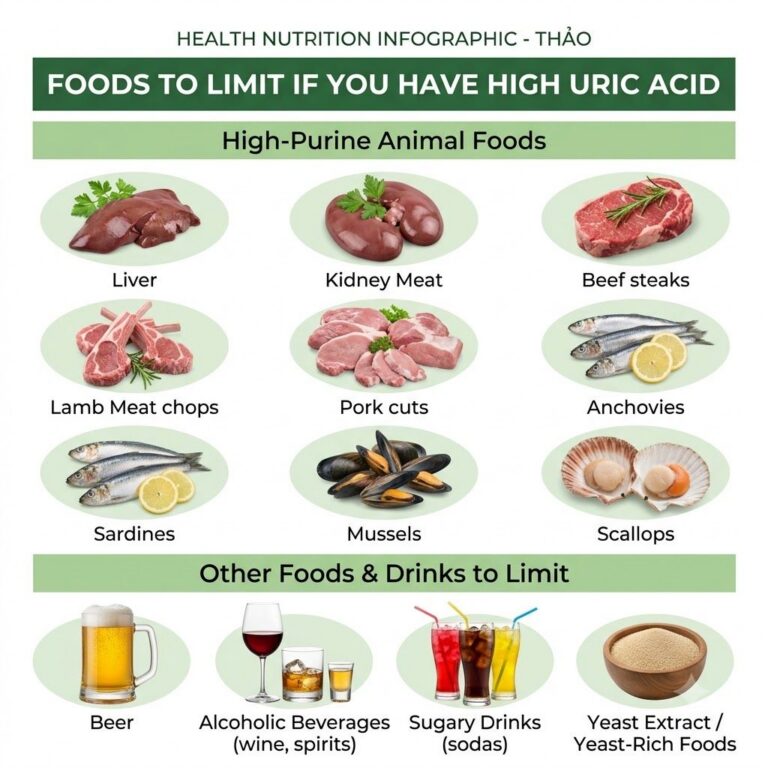
Key Foods and Drinks to Limit for Better Uric Acid Management
Managing high uric acid doesn’t mean completely eliminating all purine-containing foods, but rather being mindful of certain categories that can significantly impact your levels. Here’s a breakdown of the primary culprits:
1. High-Purine Meats and Organ Meats
- Red Meats: Beef, lamb, and pork, especially in large quantities, are high in purines.
- Organ Meats: Liver, kidney, sweetbreads, and other organ meats are extremely high in purines and should be largely avoided or consumed very rarely.
- Game Meats: Venison and other game meats also tend to be high in purines.
Why to limit them: These foods are broken down into a high amount of uric acid, directly contributing to elevated levels in your blood.
2. Certain Seafood
- Shellfish: Mussels, scallops, shrimp, lobster, and crab are known to be high in purines.
- Oily Fish: Sardines, anchovies, mackerel, and herring are particularly rich in purines.
Why to limit them: Similar to high-purine meats, these seafood options can rapidly increase uric acid production. While fish is generally healthy, those with high uric acid should choose lower-purine varieties like salmon or cod and consume them in moderation.
3. Sugary Drinks and Foods High in Fructose
- Sugary Sodas and Fruit Juices: Beverages sweetened with high-fructose corn syrup or excessive amounts of fruit sugar (fructose) are strongly linked to increased uric acid levels.
- Foods with Added Sugars: Candies, pastries, and processed foods with significant added sugars can also contribute.
Why to limit them: Fructose is unique among sugars because it’s metabolized in a way that directly stimulates uric acid production in the body. Limiting these is a crucial step for managing hyperuricemia.
4. Alcohol
- Beer: Especially high in purines due to its yeast content, beer is a significant contributor to elevated uric acid and gout attacks.
- Spirits: While not as high in purines as beer, spirits can still increase uric acid levels by speeding up purine metabolism and impairing uric acid excretion.
- Wine: Generally considered to have less impact than beer or spirits, but excessive consumption can still be problematic for some individuals.
Why to limit it: Alcohol, particularly beer, contains purines and also interferes with the kidneys’ ability to excrete uric acid, leading to a double whammy for individuals prone to high levels.
5. Refined Carbohydrates
- White bread, white rice, pasta made from refined flour, and highly processed snacks.
Why to limit them: While not directly high in purines, refined carbohydrates can lead to weight gain and insulin resistance, both of which are associated with higher uric acid levels and can worsen gout.
Practical Tips for a Uric Acid-Friendly Diet
Beyond limiting the foods above, here are some actionable strategies to help manage your uric acid levels:
- Choose Low-Purine Protein Sources: Opt for plant-based proteins like legumes, tofu, and nuts. Lean poultry (chicken, turkey) and lower-purine fish can also be included in moderation.
- Hydrate Regularly: Drinking plenty of water helps your kidneys flush out uric acid more effectively.
- Embrace Fruits and Vegetables: Most fruits and vegetables are low in purines and rich in antioxidants, which can help reduce inflammation.
- Incorporate Cherries: Some studies suggest that cherries (or cherry extract) may help lower uric acid levels and reduce gout attacks.
- Drink Coffee: Moderate coffee consumption has been linked to lower uric acid levels in some research.
- Maintain a Healthy Weight: Losing excess weight can significantly improve uric acid management.
Take Control of Your Health
Making informed dietary choices is a powerful step towards managing high uric acid levels and improving your overall health. By understanding which foods to limit and focusing on a balanced, nutrient-rich diet, you can significantly reduce your risk of gout attacks and support your kidney health. Remember, consistency is key, and consulting with a healthcare professional or a registered dietitian can provide personalized guidance for your unique needs. Take charge of your diet today for a healthier, more comfortable tomorrow!