Strong glutes are often associated with aesthetics, but their importance extends far beyond just looking good. These powerful muscles play a crucial role in overall body balance, posture, and athletic performance. Whether you’re an athlete looking to boost your speed and power, or simply aiming to improve daily functional movement and prevent common aches, understanding and strengthening your glutes is a game-changer.
In this comprehensive guide, we’ll dive into why strong glutes matter, explore the key muscles involved, and provide you with essential exercises to build a robust and effective glute workout routine.
Why Strong Glutes Matter for Your Health
The gluteal muscles are a group of three muscles: the gluteus maximus, gluteus medius, and gluteus minimus. Together, they are responsible for various movements, including hip extension, abduction, and external rotation. Here’s why their strength is vital:
- Improved Posture: Strong glutes help stabilize your pelvis and lower back, which can significantly improve posture and reduce the risk of lower back pain.
- Enhanced Athletic Performance: From running and jumping to lifting and squatting, the glutes are central to almost all lower body movements. Strengthening them can lead to better speed, power, and agility.
- Injury Prevention: Weak glutes can lead to imbalances, potentially contributing to injuries in the knees, ankles, and lower back. By supporting proper alignment, strong glutes may help prevent these issues.
- Better Daily Function: Simple actions like standing up from a chair, walking up stairs, or carrying groceries become easier and more efficient with well-developed glute muscles.
Key Glute-Focused Exercises to Include
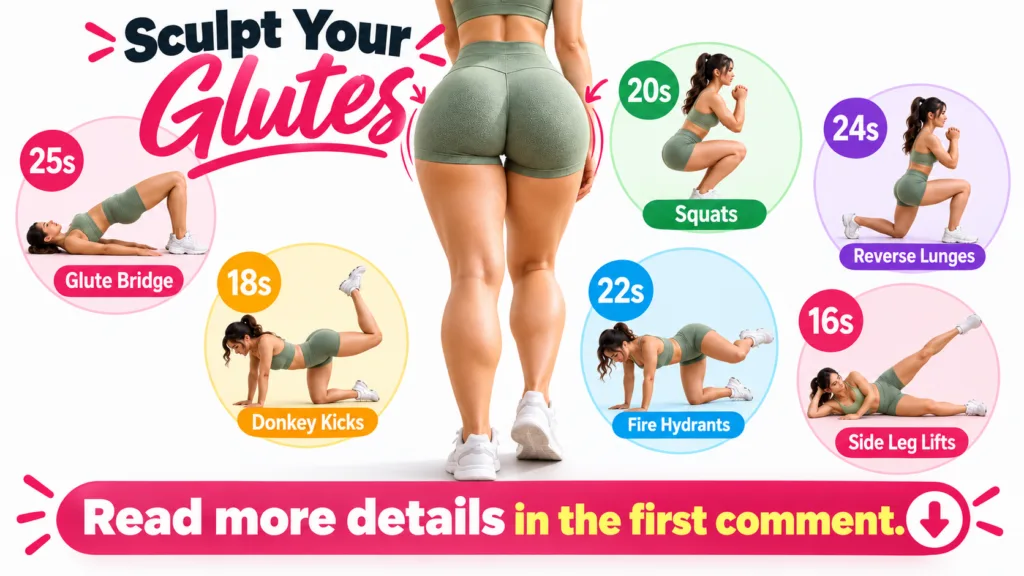
To effectively target all parts of your glutes, it’s beneficial to incorporate a variety of exercises. Here are some foundational movements that can form the core of your glute workout:
1. Glute Bridges
This exercise primarily targets the gluteus maximus. Lie on your back with knees bent, feet flat on the floor, and lift your hips off the ground until your body forms a straight line from shoulders to knees. Squeeze your glutes at the top.
2. Squats
A compound exercise that works the glutes, quadriceps, and hamstrings. Stand with feet shoulder-width apart, chest up, and lower your hips as if sitting into a chair, ensuring your knees track over your toes.
3. Lunges
Excellent for targeting each glute individually, which can help correct imbalances. Step forward with one leg, lowering your hips until both knees are bent at approximately a 90-degree angle. Push off the front foot to return to the starting position.
4. Donkey Kicks
Performed on all fours, this exercise isolates the gluteus maximus and can be enhanced with ankle weights or resistance bands. Keep your knee bent and kick one leg up towards the ceiling, squeezing your glute at the peak.
5. Fire Hydrants
Also on all fours, lift one bent knee out to the side, resembling a dog lifting its leg. This targets the gluteus medius and minimus, important for hip stability.
6. Resistance Band Side Steps
Place a resistance band around your ankles or just above your knees. Take small steps sideways, keeping tension on the band. This is fantastic for the gluteus medius and minimus, improving hip abduction strength.
Building Your Effective Glute Workout Routine
Consistency is paramount for seeing real results. Here’s how you can structure a routine:
- Frequency: Aim for 2-3 glute-focused workouts per week, allowing for rest days in between for muscle recovery.
- Sets and Reps: For strength and muscle growth, generally aim for 3-4 sets of 8-15 repetitions for each exercise. Adjust based on your fitness level and the resistance used.
- Progression: To continue challenging your muscles, gradually increase the weight, resistance, reps, or sets over time. You can also introduce more complex variations of exercises.
- Warm-up and Cool-down: Always start with 5-10 minutes of light cardio and dynamic stretches (like leg swings) and end with static stretches for your glutes and hamstrings.
Tips for Maximizing Glute Activation
- Mind-Muscle Connection: During each exercise, consciously squeeze your glutes. This focus can help you better activate the target muscles.
- Full Range of Motion: Ensure you are performing each exercise through its full range of motion to get the most out of the movement.
- Resistance Bands: Incorporating resistance bands can significantly increase the intensity and effectiveness of many glute exercises.
- Listen to Your Body: Pay attention to how your body feels. If an exercise causes pain, stop and adjust your form or choose an alternative.
Safety and Important Considerations
While strengthening your glutes offers numerous benefits, it’s crucial to approach any new workout routine safely. Always consult with a healthcare professional or a certified fitness instructor before starting a new exercise program, especially if you have any pre-existing health conditions or concerns. Proper form is essential to prevent injury and maximize the effectiveness of your workout.
By consistently incorporating glute-focused exercises into your routine, you can improve your posture, enhance athletic performance, and contribute to a stronger, more balanced body overall. Start today and feel the difference strong glutes can make!