A quick mix of lemon and salt for teeth whitening sounds almost too easy.
It looks cheap, simple, and powerful. Scrub for a few minutes, rinse, and expect a brighter smile. That is exactly why this home remedy keeps circulating. But there is a problem most people do not hear soon enough: lemon and salt can be very harsh on teeth and gums.
The whitening effect people notice at first may not be true healthy whitening. It can simply be a temporary surface-clean feeling. Over time, this kind of abrasive acidic mix may do more harm than good.
If you are curious about this DIY trend, here is what it is, why people try it, and what you should know before putting it on your toothbrush.
What This Lemon and Salt Teeth Remedy Is
This common home remedy usually combines:
- Fresh lemon juice
- Salt
- A toothbrush or fingertip for rubbing onto the teeth
People often use it because lemon feels “cleansing” and salt feels “scrubby.” The idea is that the mix will remove stains and make teeth look whiter.
That sounds logical on the surface. But teeth are not the same as a kitchen counter. A remedy that is too acidic or too abrasive can wear down enamel, irritate the gums, and make teeth more sensitive over time.
Ingredients People Commonly Use
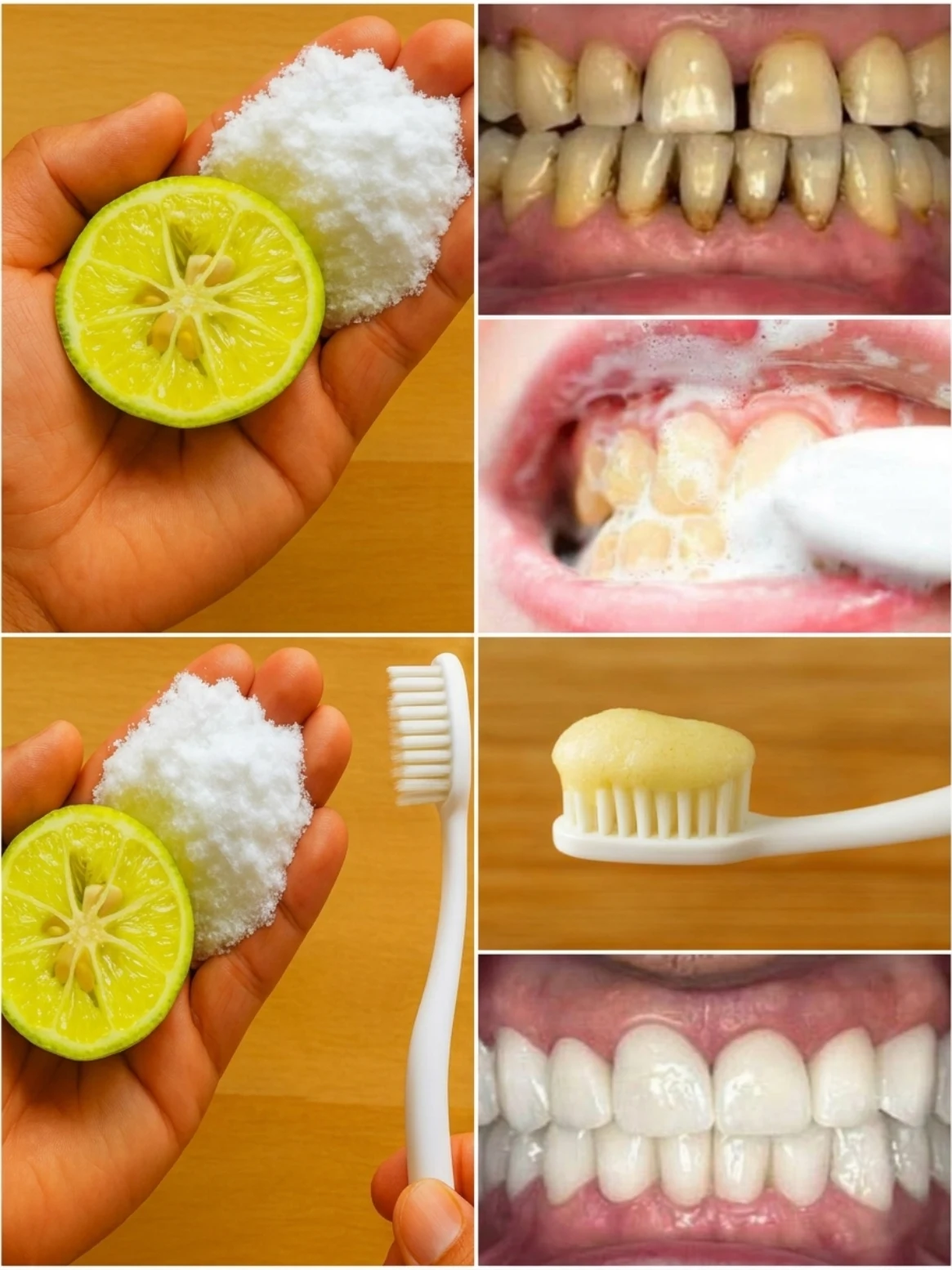
This is the basic version people usually try:
- 1 teaspoon fresh lemon juice
- 1/2 teaspoon fine salt
Some mix it into a paste. Others dip a wet toothbrush into the blend.
How People Use It
This is the typical DIY method people follow:
Step 1: Mix the ingredients
Combine the lemon juice and salt in a small bowl until it forms a gritty paste.
Step 2: Apply to the teeth
Use a toothbrush or fingertip to rub the mixture over the teeth.
Step 3: Leave briefly
Some people leave it on for 30 seconds to 1 minute before rinsing.
Step 4: Rinse well
The mouth is then rinsed thoroughly with water.
That is the common routine. But just because something is commonly done does not mean it is safe to repeat.
Why People Think It Works
This remedy stays popular for a few simple reasons.
Lemon feels strong
Lemon juice is acidic, so it can make the mouth feel very clean. That strong feeling often makes people assume it is working.
Salt feels like it scrubs stains away
Salt gives the mixture a rough texture. That gritty feel can remove some superficial buildup, which may create the impression of instant whitening.
The smile may look brighter right away
After brushing with something abrasive, teeth can look cleaner for a short time. But that does not mean enamel is healthier. Sometimes it means the surface has been irritated or over-scrubbed.
The Real Problem With Lemon and Salt on Teeth
This is the part that matters most.
Lemon is highly acidic
Teeth are protected by enamel. Acid can soften that outer layer. If you brush with acid directly, especially again and again, you may gradually wear enamel down.
Salt can be too abrasive
Salt is not a gentle polishing ingredient. On already softened enamel, that rough scrubbing can be even more aggressive.
Gums may get irritated
The mix can sting, especially if your gums are sensitive, inflamed, or prone to bleeding.
Teeth can become more sensitive
Once enamel starts thinning, cold drinks, sweets, or even brushing can feel more uncomfortable.
That is why this remedy is not a good long-term solution for a whiter smile.
A Better Way to Think About Teeth Whitening
If your teeth look dull or stained, the goal should be safe whitening, not fast damage.
A brighter smile usually comes from a few realistic habits:
Remove common stain triggers
Coffee, tea, tobacco, and deeply colored drinks are frequent causes of staining.
Keep brushing consistent
Daily brushing with a fluoride toothpaste matters far more than random harsh DIY tricks.
Use whitening products made for teeth
A whitening toothpaste or dentist-approved whitening option is usually much safer than acidic kitchen mixtures.
Get a professional cleaning
Sometimes what looks like yellowing is really plaque or tartar buildup. A dental cleaning can make a huge difference without damaging the enamel.
When You Might Notice Changes
This is where expectations need to be honest.
With lemon and salt
You might notice a smoother or cleaner look the same day, but that does not mean it is safe whitening.
With safer whitening methods
A whitening toothpaste may show mild changes over a few weeks. Professional whitening usually works faster and more evenly.
With better daily care
Reducing stain-causing habits and keeping up with regular brushing can gradually improve the look of your teeth over time.
The quick result people want is understandable. But with teeth, faster is not always better.
Who Should Definitely Avoid This DIY Remedy
This lemon and salt trick is especially risky for people who:
- already have tooth sensitivity
- have thin enamel
- have gum irritation or bleeding gums
- wear braces or dental restorations
- have cavities or untreated dental problems
If that sounds like you, this remedy can make existing issues feel much worse.
Safer Alternatives for a Brighter Smile
If you want a practical and safer plan, try this instead:
Use a whitening toothpaste
Choose one made for regular use rather than harsh scrubbing.
Brush gently, not harder
Aggressive brushing can also wear enamel down.
Rinse after acidic foods and drinks
This helps reduce acid contact without directly scrubbing the teeth.
Ask your dentist what is best for your enamel
Not all whitening methods suit every mouth.
Final Takeaway
The lemon and salt teeth whitening remedy looks simple, but it is one of those DIY hacks that can sound better than it really is. The acid from lemon and the rough texture of salt may make teeth feel cleaner for a moment, yet repeated use can be too harsh for enamel and gums.
If you want a whiter smile, the safest path is still the smartest one: consistent brushing, less staining, and whitening methods designed for actual teeth.
Related Source Science
The basic concern with lemon-and-salt whitening is easy to understand from oral-health principles: acid can soften enamel, and abrasive rubbing can increase wear, especially when used repeatedly. That is why this type of home remedy may create short-term brightness at the expense of long-term tooth comfort, enamel strength, and gum health.