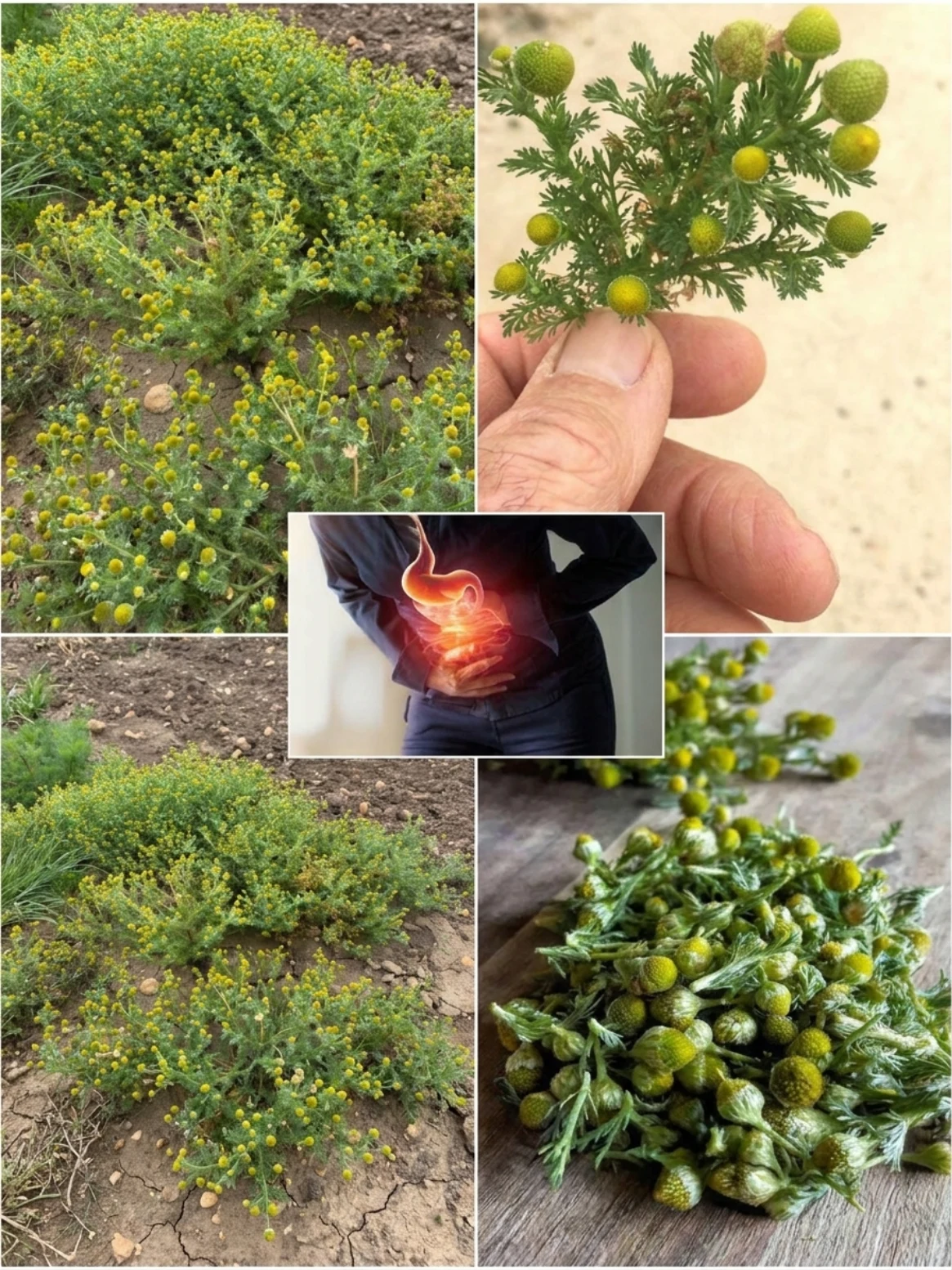
At first glance, Matricaria discoidea does not look like much. It grows low, often appears in disturbed soil, and its flower heads are tiny yellow-green buttons with no white petals at all. But that unusual look is exactly what helps identify it. The plant is commonly called pineapple weed because the flower heads have a distinctive pineapple-like scent when crushed, and botanically it is known for its rayless, button-shaped flower heads.
What makes pineapple weed interesting is that it sits somewhere between a wild edible and a folk remedy. Foragers often use it as a tea herb, and traditional use links it with stomach comfort, mild digestive upset, and a calming cup after meals. Some modern sources also describe Matricaria discoidea as a plant with spasmolytic and anti-inflammatory activity, which helps explain why it has stayed relevant in herbal conversations.
What Is Pineapple Weed Traditionally Used For?
Pineapple weed is most often used as a gentle digestive herb.
People traditionally turn to it when they want:
- a warm tea for bloating
- support for a heavy stomach after meals
- a mild herb for stomach discomfort
- a calming, caffeine-free tea with a softer flavor than stronger bitter herbs
Traditional and foraging references commonly describe pineapple weed as being used in tea form, and some modern summaries compare its mild digestive and calming role to chamomile. (Forager | Chef)
That does not mean it is a cure for ulcers, severe abdominal pain, or chronic digestive disease. It is better understood as a supportive folk herb for mild, everyday digestive discomfort.
Ingredients
For a simple pineapple weed tea, use:
- 1 to 2 teaspoons dried Matricaria discoidea
- or a small handful of fresh flowering tops
- 1½ to 2 cups hot water
The flower heads are usually the most aromatic part, though tender upper stems and leaves are also used in tea by some foragers.
How to Prepare Pineapple Weed Tea
This tea is easy to make and works best as a light infusion.
Step 1: Clean the herb
If using fresh pineapple weed, rinse it well to remove dust and grit.
Step 2: Add hot water
Place the fresh or dried herb in a cup or teapot and pour hot water over it.
Step 3: Cover and steep
Let it steep for about 8 to 10 minutes.
Step 4: Strain and drink
Strain and drink warm.
The flavor is gentle, fruity, and lightly chamomile-like, with a distinctive pineapple aroma. That pleasant flavor is one reason pineapple weed is often considered one of the easier wild herbs for beginners. (Forager | Chef)

How to Use It
Pineapple weed tea is best used in small, moderate amounts.
Best times to drink it
After meals
This is the most natural time, especially when the stomach feels overly full, gassy, or sluggish.
In the evening
Because it is caffeine-free and mild, it can fit well into a calming nighttime routine.
During mild digestive flare-ups
It may be useful when bloating, heaviness, or simple stomach discomfort shows up.
Why It May Feel Helpful
This is where Matricaria discoidea becomes more than just an interesting weed.
Research published in 2024 described M. discoidea as an essential-oil-containing medicinal raw material with spasmolytic and anti-inflammatory activity, and also noted that it is rich in phenolic compounds. Another recent study similarly described it as well known in ethnomedicine for anti-inflammatory and spasmolytic activities.
That matters because digestive discomfort often feels worse when the stomach is tense or crampy. A mild tea with aromatic compounds and traditional spasm-soothing use can feel especially comforting in that situation.
There is also the ritual itself. Warm herbal tea slows things down. It encourages hydration, gives the stomach a break, and often feels easier than reaching for a heavy snack or sugary drink.
Who May Benefit Most
Pineapple weed tea may appeal most to people who:
- want a mild digestion tea
- often feel bloated after eating
- prefer gentle wild herbs over very bitter remedies
- enjoy caffeine-free teas with a softer flavor profile
- are interested in simple traditional herbal practices
It may be especially useful for people who want a more approachable introduction to wild herbal teas.
When You May Notice the Effects
For mild bloating or stomach heaviness, some people may notice a difference within 30 minutes to a few hours. The effect is usually subtle. This is not a dramatic laxative or a strong medicinal purge. It is more like a light, calming digestive support tea.
For broader wellness effects, the benefit usually comes from regular, thoughtful use within a healthy routine rather than from one cup alone.
Safety Notes
Even gentle herbs deserve a little caution.
Pineapple weed is generally discussed as an edible or tea herb in foraging contexts, but proper identification still matters. It can be confused with other mayweed or chamomile-like plants, and some related species may trigger allergies in people sensitive to the daisy family. (eflora.info)
A few practical safety points:
- use only correctly identified plants
- avoid harvesting from roadsides or sprayed areas
- start with a small amount if you are new to wild herbs
- avoid relying on tea alone for severe pain, vomiting, fever, or persistent digestive symptoms
Final Takeaway
Matricaria discoidea, or pineapple weed, is one of those wild herbs most people ignore until they learn what it can do. Its fruity scent, easy tea use, and traditional digestive role make it a surprisingly useful plant for bloating, stomach heaviness, and gentle after-meal comfort.
It is not a miracle cure, but it is exactly the kind of simple, practical herb that fits beautifully into a calm, food-first wellness routine.
Related Source Science
Recent phytochemical and pharmacological studies describe Matricaria discoidea as containing essential oils and phenolic compounds, with reported spasmolytic, anti-inflammatory, and related traditional ethnomedicinal activities. Foraging and botanical sources also consistently identify it as pineapple weed, noting its distinctive scent, rayless flower heads, and common use in tea. (PMC)