Chia seeds have earned their reputation as a nutritional powerhouse, packed with fiber, omega-3 fatty acids, protein, and essential minerals. They’re a favorite among health enthusiasts for their ability to support digestion, heart health, and sustained energy. However, many people might not be fully harnessing their incredible potential due to a few common preparation mistakes.
Are you making these missteps? It’s time to unlock the true power of chia seeds by learning how to prepare them correctly. Let’s dive into the most frequent errors and how to fix them to maximize your health benefits!
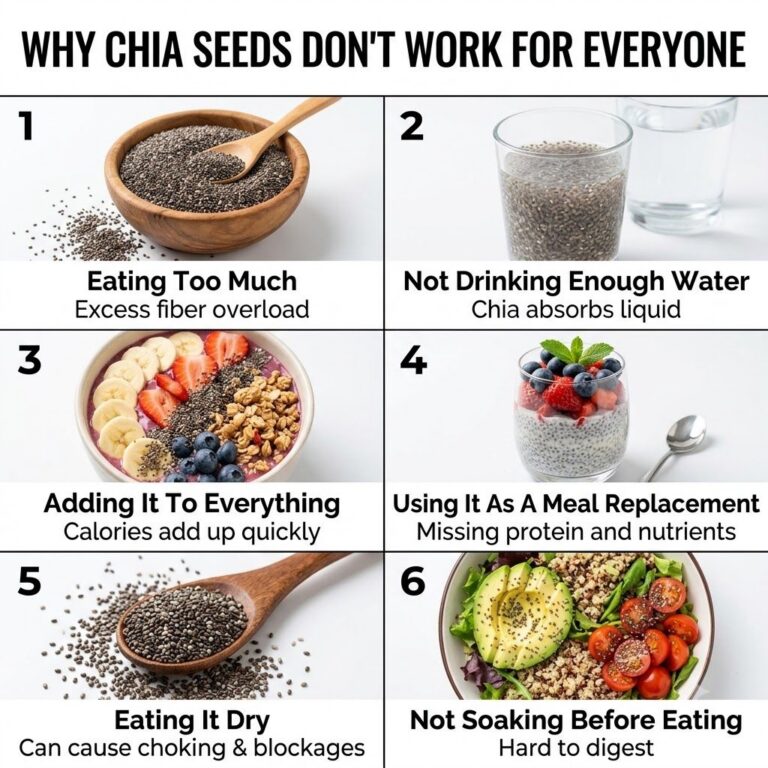
Mistake 1: Not Soaking Them (or Soaking Insufficiently)
One of the biggest advantages of chia seeds is their ability to absorb liquid and form a gel-like consistency. This process is crucial for several reasons, and skipping it can diminish their benefits.
Why Soaking Matters:
- Enhanced Digestion: Soaking helps break down the outer layer of the seeds, making their nutrients more bioavailable and easier for your body to digest.
- Improved Nutrient Absorption: When soaked, the seeds release beneficial compounds, including soluble fiber, which aids in nutrient uptake.
- Hydration: The gel helps you stay hydrated and can contribute to a feeling of fullness.
The Fix: Proper Soaking Techniques
Always soak your chia seeds before consuming them, especially if you’re eating more than a tablespoon or two. The ideal ratio is typically 1 part chia seeds to 4-6 parts liquid. Let them sit for at least 30 minutes, or even better, overnight in the refrigerator. The longer they soak, the more gelatinous they become.
Mistake 2: Using Too Much or Too Little Liquid
The right liquid-to-seed ratio is key to achieving that perfect texture, whether you’re making chia pudding, adding them to a smoothie, or using them as a thickener.
The Problem:
- Too Little Liquid: Leads to a thick, clumpy, and sometimes unpleasant texture. It also doesn’t allow the seeds to fully expand and release their nutrients.
- Too Much Liquid: Results in a watery, runny consistency that lacks the desired pudding-like texture, making it less appealing.
The Fix: Aim for the Goldilocks Zone
Experiment to find your preferred consistency, but a good starting point is 1/4 cup of chia seeds to 1 cup of liquid (e.g., water, almond milk, coconut milk). Stir well initially to prevent clumping, then stir again after 5-10 minutes. Adjust the liquid slightly if you prefer a thicker or thinner result.
Mistake 3: Overlooking Flavor Pairings
Chia seeds have a relatively mild flavor, which can be a double-edged sword. While it makes them versatile, simply mixing them with plain water can be bland and uninspiring.
The Problem:
- Blandness: Eating unflavored chia seeds can make them seem unappetizing, leading to a lack of consistency in incorporating them into your diet.
- Missed Opportunities: You’re missing out on delicious and nutritious combinations.
The Fix: Get Creative with Flavors
Think of chia seeds as a canvas for flavor! Here are some ideas:
- Fruits: Blend with berries, bananas, mango, or peaches.
- Spices: Add cinnamon, vanilla extract, cardamom, or a pinch of nutmeg.
- Natural Sweeteners: A drizzle of maple syrup, honey, or a few drops of stevia can make a big difference.
- Citrus: A squeeze of lemon or lime juice can add a refreshing zing.
- Nut Butters: Swirl in almond butter or peanut butter for extra protein and healthy fats.
Mistake 4: Not Storing Them Properly
Like many seeds, chia seeds contain delicate fats (omega-3s) that can become rancid if not stored correctly, diminishing their nutritional value and taste.
The Problem:
- Oxidation: Exposure to air, light, and heat can cause the healthy fats in chia seeds to oxidize, making them lose their benefits and develop an off-flavor.
- Reduced Shelf Life: Improper storage shortens how long your seeds stay fresh and potent.
The Fix: Keep Them Cool, Dark, and Airtight
Store your chia seeds in an airtight container in a cool, dark place, such as a pantry or cabinet. For extended freshness, especially in warmer climates, you can store them in the refrigerator or even the freezer. This helps protect their precious omega-3s.
Mistake 5: Limiting Their Use to Only Pudding
While chia pudding is a fantastic way to enjoy these seeds, it’s not their only application. Limiting yourself to just one recipe can lead to flavor fatigue and missing out on other creative ways to incorporate them.
The Problem:
- Monotony: Eating the same thing repeatedly can make healthy eating feel like a chore.
- Underexplored Versatility: Chia seeds are incredibly versatile and can be used in many dishes to boost nutrition.
The Fix: Explore Their Full Culinary Potential
Don’t stop at pudding! Here are other ways to use chia seeds:
- Smoothie Boost: Add a tablespoon to your morning smoothie for extra fiber and thickness.
- Baking: Use them as an egg substitute (1 tbsp chia seeds + 3 tbsp water per egg) or add them to muffins, bread, or energy bars.
- Thickener: Stir them into oatmeal, yogurt, soups, or sauces to naturally thicken them.
- Salad Topping: Sprinkle a small amount over salads for a mild crunch and nutrient boost.
Unlock the Full Nutritional Power
By correcting these common missteps, you can truly unlock the full nutritional power of chia seeds. Proper preparation ensures you’re getting the most out of their fiber, omega-3s, protein, and minerals, making them an even more valuable addition to your diet. Incorporating these simple changes will enhance their taste, texture, and health benefits, making your wellness journey more delicious and effective.
Which of these tips surprised you most? Share below!