Some herbs become famous because they smell good. Others stay popular because they seem to do a little bit of everything.
Holy basil, also known as tulsi (Ocimum tenuiflorum or Ocimum sanctum), is one of those herbs. It has a long history in traditional wellness, and people often use the leaves in teas, rinses, and simple home preparations for the mouth and throat. Modern studies have looked at holy basil mouthwash and dentifrice for plaque, gingival inflammation, and oral bacteria, with some small clinical trials suggesting benefit compared with placebo and, in some studies, performance approaching chlorhexidine.
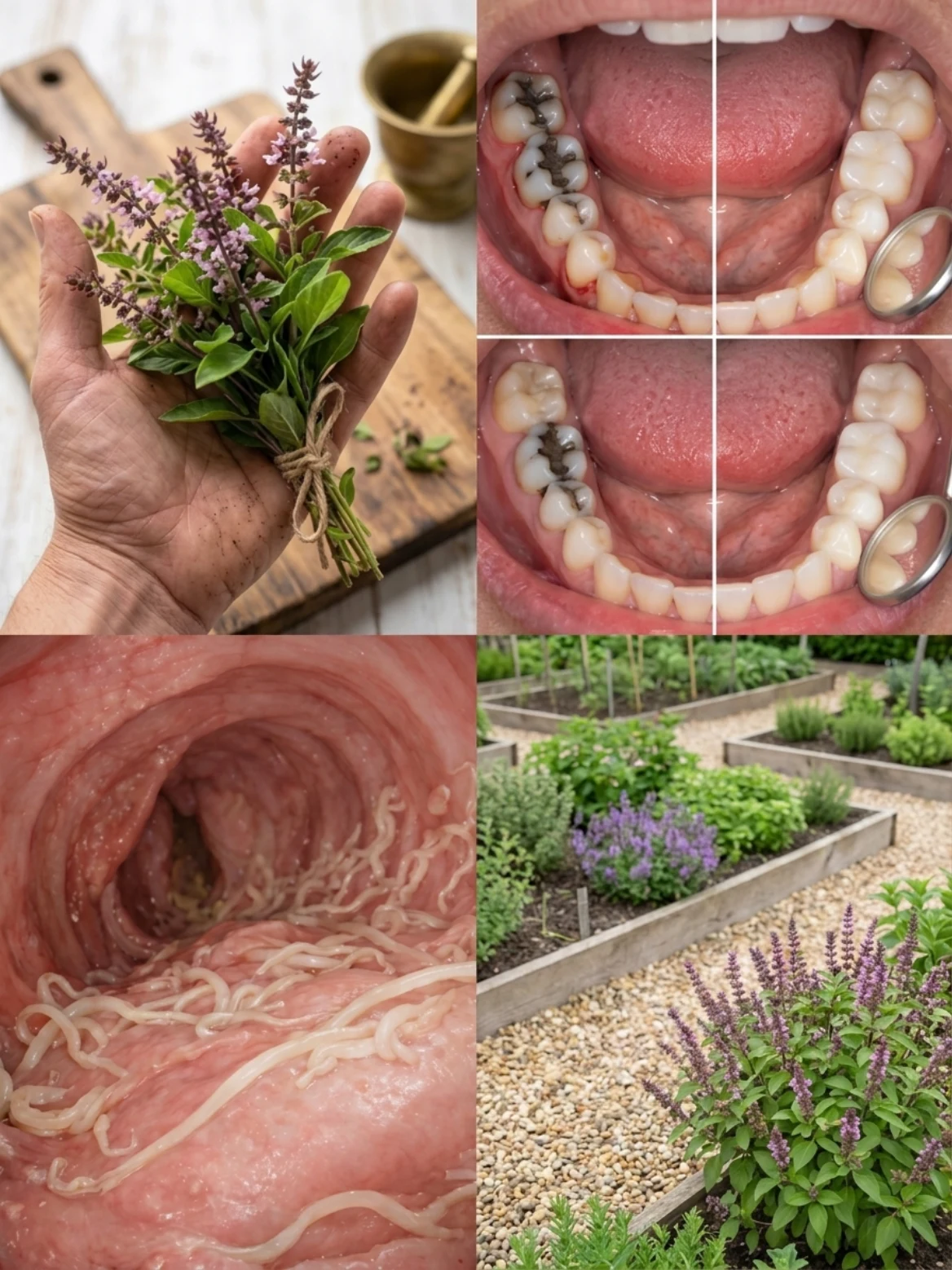
But there is an important reality check here. The dramatic “before and after” style claims about worms disappearing or a single herb “cleaning the mouth completely” go much further than the evidence. I could not find strong clinical evidence that drinking or chewing holy basil reliably treats intestinal worm infections in people. For suspected worms, proper diagnosis and proven antiparasitic treatment matter far more than a home herb.
What This Herb Is Traditionally Used For
Holy basil is usually talked about in traditional practice for:
- mouth freshness and oral comfort
- mild gum support
- herbal rinses
- throat comfort
- broader daily wellness routines
That traditional reputation makes sense. Holy basil contains aromatic oils and plant compounds that researchers have studied for antimicrobial activity. Reviews of Ocimum species describe phenolics, flavonoids, terpenoids, and other constituents with antibacterial potential, which helps explain why tulsi keeps showing up in oral-care research.
Ingredients
For a simple holy basil oral rinse or light tea-style preparation, use:
- 1 small handful fresh holy basil leaves and flowering tops
- 2 cups water
If you are making a rinse, this is enough for one short-term batch.
How to Prepare It
This kind of remedy is usually made as a light infusion or decoction.
Step 1: Wash the herb well
Rinse the leaves and flowering tops thoroughly to remove dust and residue.
Step 2: Tear or bruise lightly
Tear the leaves into a few pieces so the aroma and plant compounds release more easily.
Step 3: Simmer gently
Add the holy basil to 2 cups of water and simmer for about 8 to 10 minutes.
Step 4: Let it rest
Turn off the heat and allow it to sit for another 5 minutes.
Step 5: Strain and cool slightly
Strain the liquid. If using as a rinse, let it cool to warm or room temperature first.
How to Use It
This is where the method matters most.
As a mouth rinse
Swish a small amount around the mouth for a short time, then spit it out.
As a warm herbal tea
Some people also drink a light tulsi tea for general wellness, but that is different from using it for oral hygiene.
Best time to use
Holy basil rinse is most practical:
- after brushing
- after meals
- once or twice daily for short periods
Small clinical studies have reported reductions in plaque and gingival inflammation with holy basil mouthwash or tulsi-based dentifrice, which supports this oral-care angle more than the dramatic parasite claims.
Why People Think It Helps
There are a few reasons tulsi gets so much attention.
It has real antimicrobial interest
Holy basil has been studied against oral bacteria and periodontal pathogens in both lab studies and small clinical trials. That gives the herb more credibility for oral health support than many viral remedies have.
It feels strong and fresh
The aroma alone can make the mouth feel cleaner, which reinforces the impression that it is “working.”
It fits traditional daily use
Unlike extreme remedies, tulsi fits more naturally into a daily ritual like rinsing, sipping tea, or using a plant-based oral-care routine.
What It Probably Does Not Do
This is the part that should be said clearly.
Holy basil is not a proven deworming treatment for people based on the evidence I found. The image suggests a dramatic parasite-clearing effect, but that kind of claim is not supported by strong human clinical data. If someone has symptoms that suggest worms, the right next step is medical evaluation and evidence-based treatment.
It is also not a substitute for:
- brushing with fluoride toothpaste
- dental cleanings
- treating cavities
- treating gum infection
- treating severe bad breath caused by dental disease
When You Might Notice Changes
If holy basil rinse helps, the first benefits are usually practical:
- the mouth feels fresher the same day
- gums may feel calmer over days to weeks
- plaque control may improve when it is used alongside brushing
The clinical trials on holy basil mouthwash and dentifrice looked at short-term plaque and gingivitis outcomes, not instant transformations.
Safety Notes
This part matters.
WebMD and Drugs.com both note precautions with holy basil, including possible concerns around blood sugar, bleeding risk, and pregnancy. Holy basil may also interact with anticoagulant or antiplatelet medicines, and pregnancy/lactation safety is not well established.
Be cautious if you:
- are pregnant or trying to conceive
- take blood thinners
- have surgery scheduled
- have diabetes or take glucose-lowering medicines
And if you have mouth pain, swelling, pus, loose teeth, or bleeding gums that keep returning, that needs dental care rather than a home rinse.
Final Takeaway
Holy basil is a respected traditional herb with some real research behind its role in oral health support, especially for plaque and gum inflammation. That makes it much more believable as a mouth rinse herb than as a “worm-removing miracle.”
The smartest way to use tulsi is simple: think of it as a supportive herb for mouth freshness and gum care, not a cure-all. Traditional use has value. Realistic expectations matter even more.
Related Source Science
Small randomized trials and lab studies suggest that holy basil mouthwash and dentifrice may help reduce plaque, gingival inflammation, and oral bacteria, while broader herb references note safety concerns involving pregnancy, bleeding risk, and possible blood sugar effects. That makes tulsi promising for adjunctive oral care, but not a proven treatment for intestinal parasites or serious dental disease.