Most stars spend years building a recognizable image, a brand that fans can instantly identify. But what happens when an artist seems to get bored the moment everyone recognizes their look? We’re talking about a master of transformation, an artist who constantly evolved, leaving behind a trail of iconic personas. Can you guess who this legendary musician is?
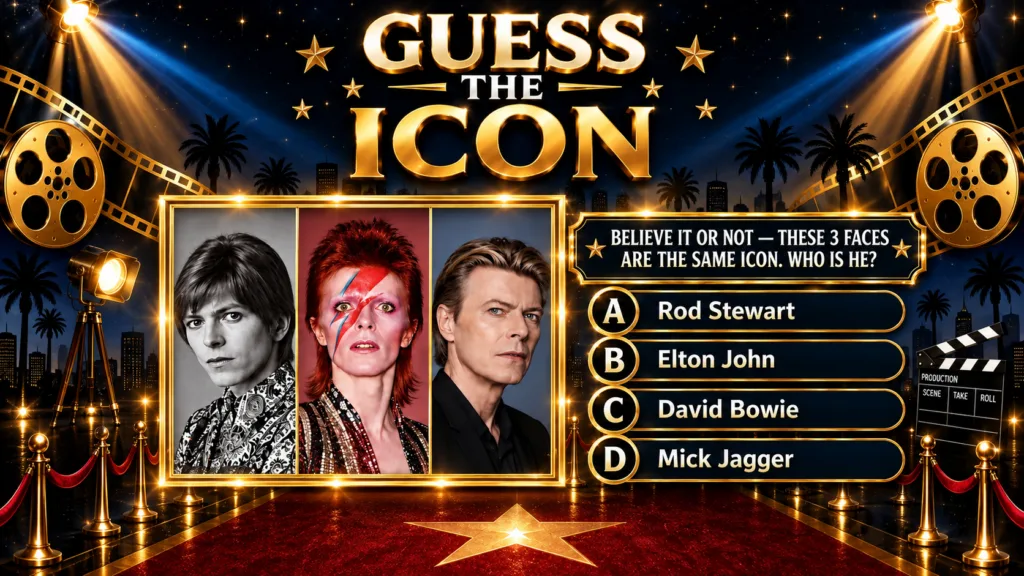
You might have seen three distinct images and wondered if they belonged to the same person. New hair, new clothes, new sound, new persona – sometimes he looked so different from one era to the next that someone unfamiliar with his career could easily assume these photographs show three separate performers. They don’t. The answer is, of course, David Bowie.
The Chameleon of Pop Culture
David Bowie built one of popular music’s most fascinating careers partly by refusing to remain visually or musically predictable. From his earliest days, audiences witnessed a young British musician diligently developing his identity. But it wasn’t long before he began a series of dramatic transformations that would define his legacy.
Ziggy Stardust: The Alien Rock Star
Perhaps his most famous reinvention came with the creation of Ziggy Stardust. This otherworldly character burst onto the scene in the early 1970s, completely redefining what a rock star could be. Ziggy was a vibrant explosion of:
- Bright, often fiery red hair
- Futuristic, gender-bending clothes
- Theatrical makeup, most notably the lightning bolt
- An otherworldly stage persona that blurred the line between rock star and fictional character
Ziggy Stardust was more than just a costume; he was a narrative, a concept album brought to life, captivating audiences and inspiring a generation. He was a creature from space, here to deliver a message of hope and destruction, and then to fade away.
A Constant State of Evolution
But even Ziggy wasn’t permanent. Bowie, ever the innovator, repeatedly moved on. Different musical styles arrived, often accompanied by entirely different looks and personas. He moved through various artistic phases, each with its distinct visual and sonic identity:
- Aladdin Sane: An extension of Ziggy, but with a more volatile, fragmented edge, famously sporting the lightning bolt across his face.
- The Thin White Duke: A sophisticated, sometimes unsettling character from his ‘Station to Station’ era, known for his slicked-back hair and sharp, elegant attire.
- The Berlin Trilogy: A period of experimental music, often matched by a more introspective, stripped-down visual style.
- New Romantic/Pop Icon: The ‘Let’s Dance’ era saw Bowie embrace a more commercially accessible sound and a polished, dapper image, reaching a global audience like never before.
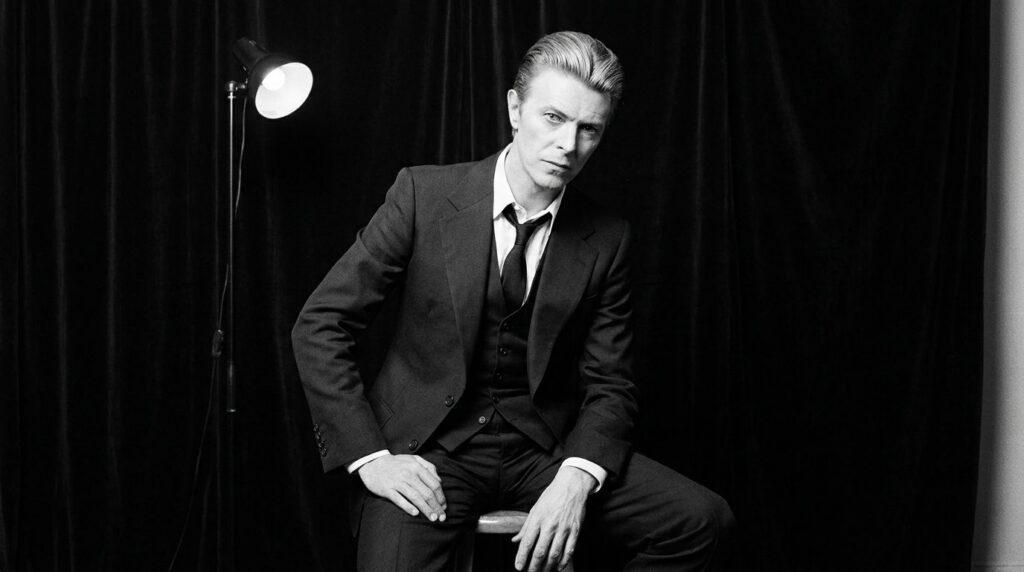
Bowie could appear alien and extravagant in one period, then polished and sophisticated in another. This constant reinvention became a core part of his enduring appeal. He taught us that it’s okay, even necessary, for an artist to explore, to change, and to never settle for one identity. He was, and remains, a true icon of transformation.