Ever wondered if what you eat truly impacts the health and vitality of your hair? The answer is a resounding yes! Just like the rest of your body, your hair follicles rely on a steady supply of essential nutrients to grow strong, shiny, and resilient.
Forget expensive shampoos and treatments for a moment. The real secret to luscious locks often starts from within, specifically with the foods you choose to put on your plate. A well-balanced diet rich in vitamins, minerals, and proteins can make a significant difference in preventing hair loss, promoting new growth, and improving overall hair texture.
In this article, we’ll dive into the science behind hair growth and explore the best foods to incorporate into your diet for healthier, happier hair. Get ready to nourish your locks from the inside out!
How Nutrition Impacts Hair Health
Your hair is primarily made of a protein called keratin. For your body to produce healthy keratin and maintain a vigorous hair growth cycle, it needs a continuous supply of building blocks and cofactors.
Think of your hair follicles as tiny factories. Without the right raw materials (nutrients), these factories can’t operate efficiently. This can lead to hair thinning, breakage, dullness, or even increased hair loss. Conversely, a nutrient-rich diet helps strengthen hair strands, improve elasticity, and promote faster, healthier growth.
Key Nutrients for Hair Growth
Several vitamins and minerals play crucial roles in hair health:
- Protein: The fundamental building block of hair.
- Biotin (Vitamin B7): Essential for keratin production.
- Omega-3 Fatty Acids: Support scalp health and hair hydration.
- Iron: Helps red blood cells carry oxygen to hair follicles.
- Vitamins A, C, and E: Antioxidants that protect hair and promote cell growth.
- Zinc: Important for hair tissue growth and repair.
- Vitamin D: May help create new hair follicles.
Top Foods for Hair Growth
Incorporating these delicious and nutrient-dense foods into your regular diet can make a significant difference in your hair’s health.
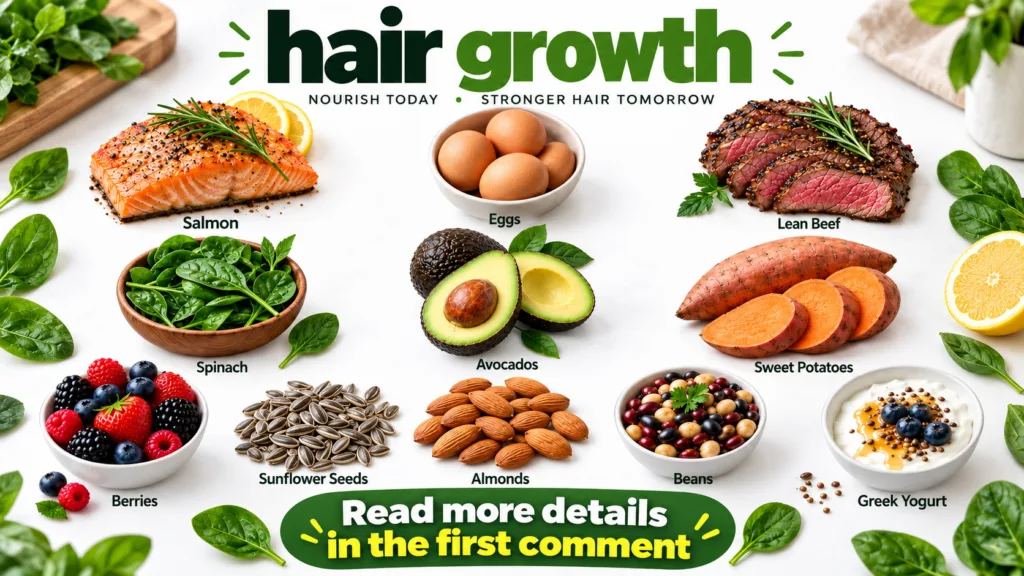
1. Salmon
This fatty fish is a powerhouse of omega-3 fatty acids, which are vital for a healthy scalp and hair. Salmon also provides high-quality protein and Vitamin D, both essential for hair strength and growth.
2. Eggs
Eggs are an excellent source of protein and biotin, two nutrients that are crucial for hair growth. Biotin is key for the production of keratin, the protein that makes up your hair. Eggs also contain zinc, selenium, and other hair-healthy nutrients.
3. Spinach
Packed with iron, Vitamin A, Vitamin C, and folate, spinach is a leafy green vegetable that supports overall hair health. Iron deficiency is a common cause of hair loss, so ensuring adequate intake is important.
4. Avocados
Rich in healthy fats, Vitamin E, and biotin, avocados are fantastic for both your hair and skin. Vitamin E is a powerful antioxidant that helps protect hair follicles from damage and supports healthy circulation to the scalp.
5. Sweet Potatoes
These delicious root vegetables are loaded with beta-carotene, which the body converts into Vitamin A. Vitamin A is necessary for cell growth and helps produce sebum, an oily substance that keeps the scalp moisturized and hair healthy.
6. Berries
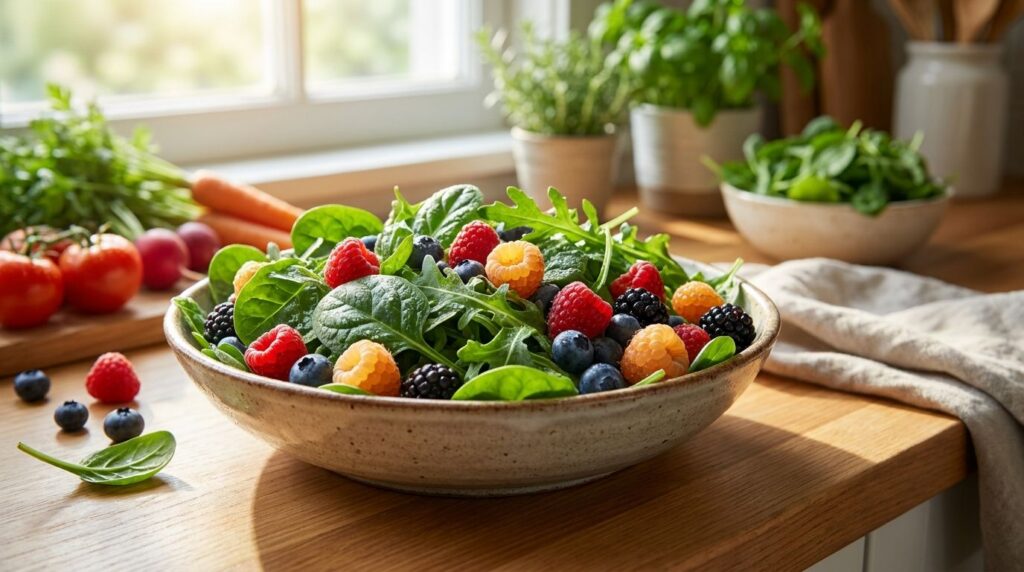
Berries are bursting with Vitamin C, a powerful antioxidant that helps protect hair follicles from damage by free radicals. Vitamin C is also essential for collagen production, which strengthens hair, and aids in iron absorption.
7. Nuts and Seeds
Almonds, walnuts, flaxseeds, and chia seeds are excellent sources of Vitamin E, zinc, and omega-3 fatty acids. These nutrients contribute to hair growth, strength, and a healthy scalp environment.
8. Lean Beef and Chicken
For those who eat meat, lean beef and chicken provide high-quality protein, iron, and zinc. These minerals are vital for transporting oxygen to hair follicles and for hair tissue repair and growth.
9. Greek Yogurt
Greek yogurt is rich in protein and Vitamin B5 (pantothenic acid), which may help improve blood flow to the scalp and promote hair growth. It’s also a good source of probiotics for overall gut health, which can indirectly benefit nutrient absorption.
Best Ways to Incorporate Hair-Boosting Foods
Making these foods a regular part of your diet is easier than you think:
- Add spinach to your morning smoothie or omelet.
- Enjoy salmon twice a week as part of your main meal.
- Snack on a handful of mixed nuts and berries.
- Include avocado slices in your salads or on toast.
- Use Greek yogurt as a base for smoothies, parfaits, or a healthy dip.
- Swap white potatoes for sweet potatoes in your meals.
Practical Tips for Healthier Hair
- Eat a Balanced Diet: Focus on whole, unprocessed foods.
- Stay Hydrated: Drink plenty of water throughout the day.
- Manage Stress: High stress levels can impact hair health.
- Gentle Hair Care: Avoid harsh chemicals and excessive heat styling.
- Be Patient: Hair growth takes time, so consistency is key.
FAQs About Hair Growth Foods
Q1: How long does it take to see results from diet changes for hair growth?
A: Hair growth is a slow process. You may start noticing improvements in hair strength and texture within 3-6 months, but significant growth can take longer.
Q2: Can supplements replace a healthy diet for hair growth?
A: While supplements can fill nutritional gaps, they should not replace a balanced diet. Whole foods provide a complex array of nutrients that work synergistically.
Q3: Is hair loss always related to diet?
A: Not always. Hair loss can be caused by various factors including genetics, hormonal changes, medical conditions, medications, and stress. Diet is one important piece of the puzzle.
Q4: Are there any foods that are bad for hair?
A: Highly processed foods, excessive sugar, and unhealthy fats can contribute to inflammation and nutrient deficiencies, which may negatively impact hair health.
Q5: Can going vegetarian or vegan affect hair health?
A: A well-planned vegetarian or vegan diet can be excellent for hair health. However, it’s crucial to ensure adequate intake of iron, zinc, B vitamins, and protein, which can sometimes be more challenging to obtain from plant-based sources alone.
Q6: Does drinking water help with hair growth?
A: Yes, staying hydrated is crucial for overall health, including hair health. Proper hydration helps maintain a healthy scalp and keeps hair strands moisturized.
Conclusion
Nourishing your hair from the inside out is one of the most effective strategies for achieving strong, vibrant locks. By incorporating a variety of protein-rich foods, healthy fats, and a rainbow of fruits and vegetables into your diet, you provide your hair follicles with the essential nutrients they need to thrive.
Remember, consistency is key, and healthy hair is a reflection of overall well-being. So, embrace these hair-loving foods, enjoy the process, and watch your hair flourish! Want to learn more about eating for health? Explore our other articles on healthy eating habits and superfoods!
This content is for educational purposes only and should not be considered medical advice. Consult a qualified healthcare professional for personalized dietary recommendations.