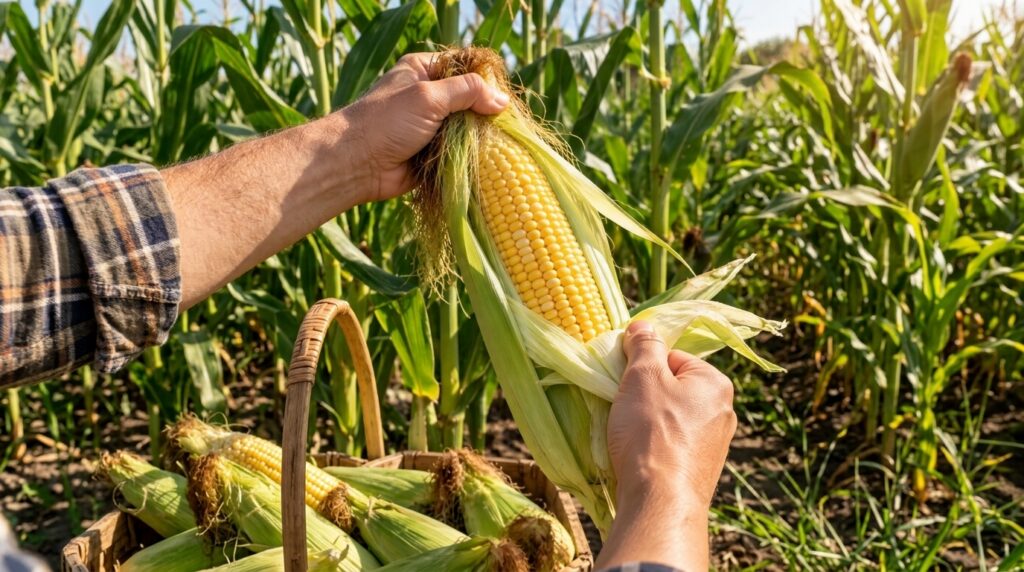
There’s nothing quite like the taste of fresh, sweet corn right off the cob. As we enjoy the golden kernels of our summer harvest, many of us are left with a pile of corn husks that often head straight to the trash. But what if we told you that these often-discarded husks are a hidden treasure for your garden?
Instead of sending them to the landfill, let’s transform those corn husks into a valuable, nutrient-rich compost that will enrich your soil and help your plants thrive. It’s a simple, sustainable way to give back to your garden and embrace the full bounty of your harvest.
Why Corn Husks are Excellent for Compost
Corn husks are essentially organic matter, making them perfect for your compost pile. They break down beautifully, adding valuable carbon to the mix. Here’s why they’re a gardener’s friend:
- Rich in Carbon: Husks are ‘brown’ material, providing essential carbon to balance the ‘green’ (nitrogen-rich) materials in your compost.
- Adds Bulk and Structure: They help create air pockets in your compost, promoting good aeration which is crucial for decomposition.
- Reduces Waste: By composting, you’re diverting organic waste from landfills, lessening your environmental footprint.
- Nutrient Return: As they decompose, they release nutrients back into the soil, creating a healthier environment for your plants.
Simple Homemade Corn Husk Compost: A Step-by-Step Guide
Making corn husk compost is surprisingly easy. Follow these steps to turn your harvest scraps into garden enrichment:
Step 1: Collect and Prepare Your Husks
After enjoying your corn, gather all the husks. It’s best to use fresh, clean husks free of mold or significant pests. If they’re very wet, you might want to let them air dry a little to prevent sliminess, though a little moisture is fine for composting.
Step 2: Shred or Chop for Faster Decomposition
This is a crucial step for accelerating the composting process. Large, intact corn husks can take a long time to break down. You can:
- Tear them by hand: Rip them into smaller strips.
- Chop with shears or a knife: Cut them into 1-2 inch pieces.
- Use a chipper/shredder: If you have one, this is the quickest method for large quantities.
- Mow over them: Spread them on a lawn and run a lawnmower over them (be careful!).
Smaller pieces mean more surface area for microbes to work on, leading to quicker compost.
Step 3: Layer with Green and Brown Materials
A balanced compost pile needs a mix of ‘greens’ (nitrogen-rich) and ‘browns’ (carbon-rich). Corn husks are ‘browns’. Layer them with ‘greens’ like kitchen scraps (fruit and vegetable peels), grass clippings, and spent coffee grounds. A good ratio is typically two parts brown to one part green.
Step 4: Maintain Moisture and Airflow
Your compost pile needs to be consistently moist, like a wrung-out sponge, but not waterlogged. Add water if it feels dry. Good airflow is also essential, so make sure to turn your pile regularly (every few days to once a week) to mix materials and introduce oxygen. This helps the beneficial bacteria do their job efficiently.
Step 5: Be Patient and Observe
Composting takes time. Depending on the size of your pieces and the conditions, it can take anywhere from a few weeks to several months for corn husks to fully break down. You’ll know it’s ready when the material is dark brown, crumbly, and smells like fresh earth.
The Benefits of Corn Husk Compost for Your Garden
- Improved Soil Structure: Compost lightens heavy clay soils and adds body to sandy soils, making them easier to work with.
- Enhanced Nutrient Content: It slowly releases vital nutrients, feeding your plants naturally without the need for synthetic fertilizers.
- Increased Water Retention: Compost acts like a sponge, helping your soil hold onto moisture longer, reducing the need for frequent watering.
- Supports Beneficial Microbes: A healthy compost-enriched soil teems with beneficial microorganisms and earthworms, creating a vibrant living ecosystem.
So, the next time you enjoy a summer ear of corn, remember that the goodness doesn’t have to end with your meal. Give those husks a second life by turning them into nourishing compost for your garden. It’s a wonderful way to practice sustainable gardening and ensure your plants get the best possible start!