Soft & Fluffy Potato Bread Rolls – Easy Potato-Based Bread Recipe
If you’re looking for an incredibly soft and fluffy homemade bread, these Potato Bread Rolls are a delicious way to use potatoes in baking. Adding mashed potato to bread dough helps create a tender, moist crumb while keeping the rolls soft for longer than many traditional dinner rolls.
These golden potato rolls are slightly rich, beautifully fluffy, and versatile enough for breakfast, dinner, sandwiches, or burgers. Serve them warm with butter, honey, jam, or alongside your favorite savory meal.
Homemade Potato Bread Rolls
Prep Time: 25 minutes
Rising Time: 1½–2 hours
Baking Time: 18–22 minutes
Total Time: About 2½–3 hours
Yield: 8–10 rolls
Difficulty: Medium
Ingredients
For the Potato
- 1 medium potato, about 180–200 g
- Water for boiling
For the Dough
- 1 cup (200 g) smooth mashed potato
- 3 to 3½ cups (360–420 g) all-purpose or bread flour
- 2¼ teaspoons (7 g) instant yeast
- 2 tablespoons (25 g) granulated sugar
- 1 teaspoon salt
- 1 large egg
- 1/2 cup (120 ml) warm milk
- 3 tablespoons (42 g) unsalted butter, softened
- 1–3 tablespoons warm milk, only if needed
For the Top
- 1 egg
- 1 tablespoon milk
- 1 tablespoon melted butter, optional
How to Make Potato Bread Rolls
Step 1: Cook the Potato
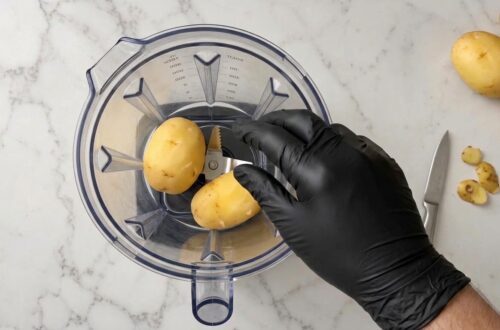
Peel the potato and cut it into small cubes.
Place the potato pieces in a saucepan and cover them with water. Bring to a boil and cook for approximately 12–15 minutes, or until completely tender.
A fork should easily slide through the potato without resistance.
Drain the potatoes thoroughly.
Step 2: Mash Until Smooth
While the potato is still warm, mash it thoroughly.
For the best bread texture, make sure there are no large potato lumps remaining.
Measure approximately 1 cup (200 g) of mashed potato and allow it to cool until lukewarm.
Don’t add butter, milk, salt, or other seasonings to the potato at this stage.
Step 3: Prepare the Dough
In a large mixing bowl, combine:
- 3 cups flour
- 2¼ teaspoons instant yeast
- 2 tablespoons sugar
- 1 teaspoon salt
Mix the dry ingredients together.
In a separate bowl, combine the lukewarm mashed potato, egg, and warm milk.
The milk should be warm, not hot. Excessive heat can damage the yeast.
Step 4: Combine the Wet and Dry Ingredients
Pour the potato mixture into the flour mixture.
Stir everything together with a wooden spoon or dough spatula until a rough, shaggy dough begins to form.
Add the softened butter.
Continue mixing until the butter becomes incorporated into the dough.
Step 5: Knead the Dough
Transfer the dough to a lightly floured work surface.
Knead for approximately 8–10 minutes.
The dough may feel slightly sticky at first because potatoes naturally contain moisture.
Avoid immediately adding large amounts of extra flour.
Continue kneading until the dough becomes soft, elastic, and relatively smooth.
If it remains extremely wet after several minutes, gradually add additional flour, about 1 tablespoon at a time.
The final dough should remain soft rather than stiff.
Step 6: First Rise
Lightly grease a large bowl.
Shape the dough into a ball and place it in the bowl.
Cover with a clean kitchen towel or food-safe wrap.
Leave it in a warm place for approximately 60–90 minutes, or until roughly doubled in size.
Rising time can vary depending on room temperature.
Step 7: Divide the Dough
Once the dough has risen, gently press it down to release large air bubbles.
Transfer it to a clean work surface.
Divide the dough into 8–10 equal portions.
For rolls that bake evenly, you can weigh the dough and divide it into equal pieces.
Step 8: Shape the Potato Rolls
Take one portion of dough and pull its edges toward the center.
Turn it over so the seam is underneath.
Cup your hand around the dough and gently roll it against the work surface until you have a smooth, round ball.
Repeat with all remaining pieces.
Try to create a tight, smooth surface on each roll. This helps the rolls rise upward and gives them an attractive rounded top.
Step 9: Arrange in the Baking Pan
Lightly grease a baking pan or line it with parchment paper.
Arrange the dough balls in the pan, leaving a little space between them.
For pull-apart potato rolls, position them closer together so they touch as they rise and bake.
For individually rounded rolls, leave more space between them.
Step 10: Second Rise
Cover the shaped rolls loosely with a clean towel.
Allow them to rise for another 30–45 minutes, or until noticeably puffy.
Meanwhile, preheat your oven to 375°F (190°C).
Don’t allow the rolls to overproof. They should look light and expanded but still hold their shape.
Step 11: Prepare the Egg Wash
In a small bowl, whisk together:
- 1 egg
- 1 tablespoon milk
Gently brush a thin layer over the surface of each roll.
This egg wash creates the beautiful shiny, deep golden-brown crust seen on bakery-style rolls.
Be gentle so you don’t deflate the risen dough.
Step 12: Bake Until Golden
Place the rolls in the preheated oven.
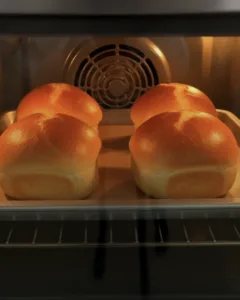
Bake at 375°F (190°C) for approximately 18–22 minutes, or until the tops are beautifully golden brown.
For extra accuracy, the center of fully baked enriched rolls should generally reach around 190°F (88°C).
If the tops are browning too quickly, loosely cover them with aluminum foil during the final few minutes.
Step 13: Brush with Butter
Remove the potato rolls from the oven.
While they’re still hot, lightly brush the tops with melted butter.
This optional step adds flavor and helps keep the crust softer.
Let the rolls cool for approximately 10–15 minutes before serving.
What Should Potato Bread Look Like?
A properly made potato roll should have a deep golden exterior and an exceptionally soft, fluffy interior.
When you pull one apart, the inside should be tender and slightly moist rather than dry or crumbly.
The potato flavor itself should be subtle. You aren’t necessarily looking for bread that strongly tastes like mashed potatoes—the potato primarily contributes to the texture.
Why Add Potato to Bread?
Cooked potato contains starch and moisture that can help produce an especially tender bread crumb.
The mashed potato also gives the dough additional moisture, resulting in rolls that feel soft, pillowy, and satisfying.
This makes potato dough particularly suitable for:
- Dinner rolls
- Sandwich buns
- Hamburger buns
- Breakfast rolls
- Slider buns
Tips for Extra-Soft Potato Rolls
Mash the potato very smoothly. Large potato pieces can create uneven areas inside the bread.
Don’t use hot potato. Allow it to cool before combining it with the yeast dough.
Be careful with flour. Potato dough can naturally feel a little sticky. Adding excessive flour can result in dense, dry rolls.
Give the dough enough time to rise. Look at the size and appearance of the dough rather than relying only on the clock.
Use an egg wash. It creates that beautiful glossy bakery-style finish.
Brush with butter after baking. This keeps the top softer while adding a richer flavor.
Potato Cheese Rolls Variation
You can easily turn these into cheesy potato rolls.
When shaping each portion, flatten the dough slightly and place a small cube of mozzarella or cheddar cheese in the center.
Pull the dough around the cheese and pinch the seam tightly closed.
Shape it into a ball and continue with the second rise.
When you pull apart the freshly baked roll, you’ll get a delicious melted cheese center.
Garlic Butter Potato Rolls
For a savory variation, combine:
- 2 tablespoons melted butter
- 1 minced garlic clove
- 1 tablespoon finely chopped parsley
- A pinch of salt
Brush this mixture over the freshly baked rolls.
The combination of warm potato bread and garlic butter works particularly well as a dinner side.
How to Serve Potato Bread Rolls
Serve the rolls warm with:
- Salted butter
- Honey
- Fruit jam
- Cream cheese
- Scrambled eggs
- Soup
- Stew
- Roasted chicken
- Grilled meat
You can also slice the rolls horizontally and use them for mini sandwiches, sliders, or breakfast sandwiches.
How to Store Potato Bread
Allow the rolls to cool completely before storing them.
Place them in an airtight container or tightly sealed food-storage bag and keep them at room temperature for about 2 days. For longer storage, freeze the completely cooled rolls in a freezer-safe container.
To serve again, warm them briefly in the oven or microwave until soft.
Why You’ll Love These Potato Bread Rolls
These Homemade Potato Bread Rolls turn a simple potato into beautifully soft, golden homemade bread.
The mashed potato gives the rolls their signature moist, tender and fluffy texture, while butter, milk, and egg create a rich dough with a gorgeous golden crust.
Serve them fresh from the oven with melted butter, use them for sandwiches, or turn them into cheese-filled or garlic-butter rolls. They’re a versatile potato-based recipe that’s especially satisfying when served warm.