Most people focus on popular superfoods for heart health, overlooking powerful, lesser-known botanicals that can make a real difference. While many seek quick fixes, nature offers potent allies in Coleus Amboinicus and Soursop – two plants whose combined potential for circulatory well-being is often underestimated. This guide will walk you through how to harness their unique properties to support your heart and blood flow, with practical steps you can implement today.

What They Are and Why They Matter for Your Circulation
Coleus Amboinicus, often known as Indian Borage or Cuban Oregano, is a succulent herb recognized for its aromatic leaves. Beyond its culinary uses, it’s traditionally valued for compounds like rosmarinic acid and other polyphenols, which are studied for their potential to support cardiovascular function and act as antioxidants. These properties may contribute to healthy blood pressure regulation and overall circulatory strength.
Soursop, or Graviola, is a fruit tree whose leaves, fruit, and bark are used in various traditional practices. Soursop leaves, in particular, are rich in acetogenins, flavonoids, and other beneficial compounds. Research has explored their role in supporting healthy blood pressure, promoting relaxation of blood vessels, and providing antioxidant protection, all of which are crucial for optimal circulatory health.
Here’s the part most people skip:
The true power of these plants for circulatory well-being often lies in their synergistic action and consistent, correct preparation. Simply consuming them randomly may not yield the best results. A precise approach is key.
Ingredients for a Circulatory Tonic Tea
This simple tonic tea combines the best of both plants to support your cardiovascular system.
- Fresh Coleus Amboinicus leaves: 5-7 medium-sized leaves (or 1 tablespoon dried)
- Fresh Soursop leaves: 3-4 medium-sized leaves (or 1 teaspoon dried, crushed)
- Water: 2 cups (approximately 470ml)
- Optional: A slice of fresh ginger or a squeeze of lemon for taste and added benefits.
Approximate Measurements
Precision isn’t always strictly necessary in herbal preparations, but aiming for these quantities ensures a potent yet safe brew.
- Fresh leaves: About 10-15 grams total.
- Dried leaves: About 3-5 grams total.
- Water: Enough to ensure proper extraction without over-diluting.
Formula / Recipe: Coleus & Soursop Circulatory Brew
This recipe focuses on maximizing the extraction of beneficial compounds in a palatable tea format.
- Gather fresh Coleus Amboinicus and Soursop leaves.
- Rinse them thoroughly under cool water to remove any dust or debris.
- Bring water to a boil in a non-reactive pot.
- Add the prepared leaves (and optional ginger, if using) to the boiling water.
- Reduce heat immediately and simmer gently for 10-15 minutes.
- Strain the liquid into a cup.
- Allow to cool slightly, then add a squeeze of lemon if desired.
Step-by-Step Method for Preparation
Careful preparation ensures you get the most out of your herbal allies.
- Select Your Leaves: Choose vibrant, healthy leaves free from blemishes or insect damage. For Coleus, pick larger, mature leaves. For Soursop, select medium-green leaves from healthy branches.
- Gentle Rinse: Place leaves in a colander and rinse under cool, running water. Avoid scrubbing aggressively, which can damage the leaves.
- Boil Water: Use filtered or spring water for the best taste and purity. Bring it to a rolling boil.
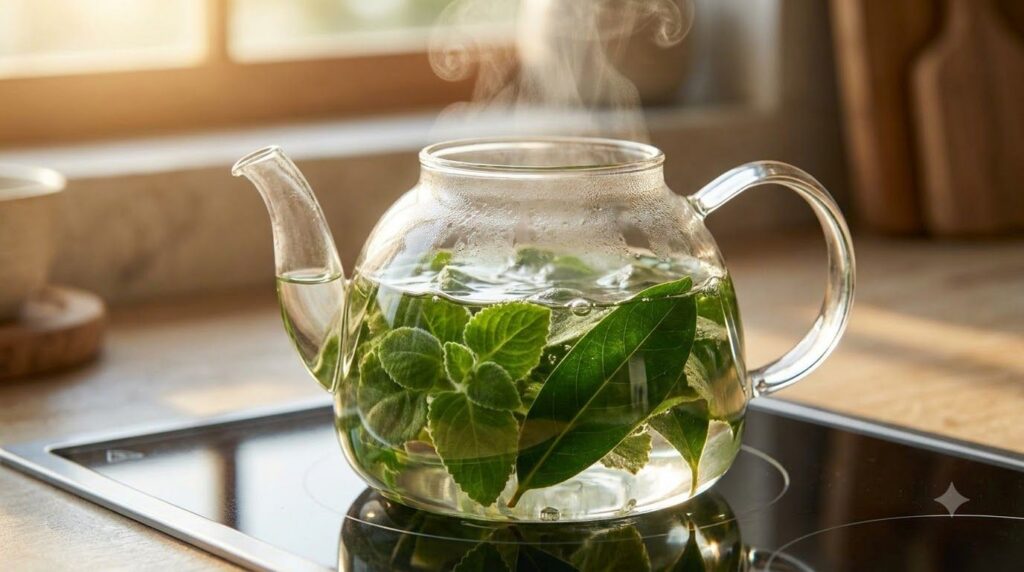
- Add Leaves and Simmer: Once boiling, add the leaves. Immediately reduce the heat to a low simmer. Covering the pot helps retain volatile compounds. Simmering, not rapid boiling, is crucial to avoid destroying delicate constituents.
- Steep and Strain: After 10-15 minutes, turn off the heat and let the mixture steep for another 5 minutes, covered. This allows for further extraction as the water cools slightly. Strain using a fine-mesh sieve into your serving mug.
- Personalize (Optional): A small amount of honey or a splash of lemon juice can enhance flavor and add extra vitamins.
How to Use
This tonic tea is best consumed warm. Sip it slowly, allowing the flavors and properties to work their way through your system. You can drink it on an empty stomach in the morning or between meals. For some, a pre-bedtime cup can also be beneficial for relaxation, which indirectly supports heart health.
How Often to Use
For general circulatory support, consuming this tea once a day is a good starting point. You can gradually increase to twice daily if you tolerate it well and observe positive effects. Always listen to your body and consult a healthcare professional, especially if you have pre-existing conditions or are on medication.
How to Buy / How to Choose Ingredients
- Fresh Leaves: If possible, source from organic gardens or trusted local growers who do not use pesticides. Look for vibrant green leaves without wilting or discolored spots.
- Dried Leaves: Purchase from reputable herbal suppliers. Ensure they are free from additives, contaminants, and have a clear expiration date. Dried leaves should retain some of their natural aroma.
Quick Tip: Fresh vs. Dried Comparison
| Feature | Fresh Leaves | Dried Leaves |
|---|---|---|
| Potency | Generally higher in volatile compounds | Concentrated, but some volatile compounds lost |
| Flavor | Brighter, more vibrant, often milder | Deeper, more earthy, sometimes stronger |
| Storage | Refrigerate for a few days | Store in airtight container, cool, dark place for months |
| Availability | Seasonal or region-dependent | Widely available from herbal suppliers |
| Preparation | Use more leaves by volume | Use less by volume, often crushed |
Storage
- Fresh Leaves: Store unwashed leaves wrapped in a damp paper towel in a sealed bag in the refrigerator for up to 3-5 days.
- Dried Leaves: Keep in an airtight container, away from direct sunlight and moisture, in a cool, dark pantry. They can last for 6-12 months.
- Prepared Tea: The brewed tea is best consumed fresh. If you prepare a larger batch, store it in an airtight glass jar in the refrigerator for no more than 24 hours. Reheat gently, but avoid boiling.
Practical Tips
- Consistency is Key: Regular use over time yields the best results. Don’t expect instant changes after one cup.
- Combine with Healthy Habits: This tonic is a support, not a replacement for a balanced diet, regular exercise, and stress management, all vital for circulatory health.
- Start Small: If you’re new to herbal remedies, begin with smaller quantities of leaves to see how your body reacts, then gradually increase to the recommended amounts.
Common Mistakes
- Boiling Vigorously: High heat can destroy sensitive plant compounds. Always simmer gently.
- Using Sprayed Plants: Ensure your leaves are organic and free from pesticides or herbicides, which can introduce harmful chemicals into your tonic.
- Incorrect Identification: Always be 100% certain of the plant species you are using. Misidentification can lead to consuming toxic plants.
- Over-Reliance: Viewing this tea as a sole solution for severe circulatory issues without professional medical advice.
Cautions / Who Should Avoid It
While generally considered safe for most, some individuals should exercise caution or avoid this remedy:
- Pregnant or Breastfeeding Women: Insufficient research exists on safety. Consult a doctor.
- Individuals on Blood-Thinning Medication: Soursop and Coleus Amboinicus may have properties that interact with blood thinners.
- Those with Low Blood Pressure: Both plants may lower blood pressure. Monitor closely.
- Diabetics: Soursop may affect blood sugar levels. Monitor glucose carefully.
- Individuals with Parkinson’s Disease: Some studies suggest high intake of Soursop may have neurotoxic effects, though more research is needed for human relevance.
Always consult your healthcare provider before starting any new herbal remedy, especially if you have underlying health conditions or are taking prescription medications.
Quick Summary
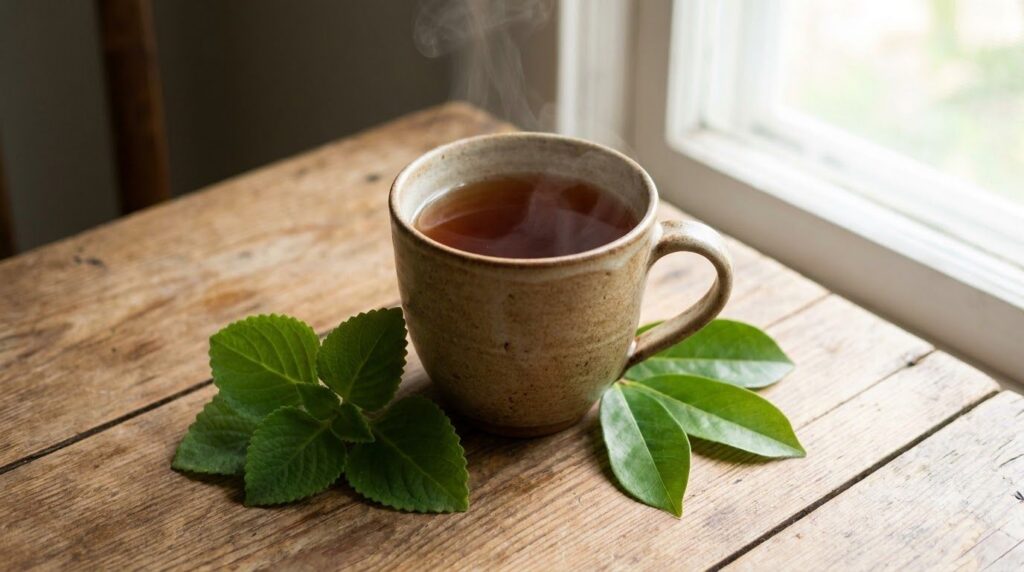
This Coleus Amboinicus and Soursop tea is a natural way to support circulatory well-being. Prepare it by simmering fresh or dried leaves gently in water. Best used once or twice daily. Store fresh leaves in the fridge and dried leaves in an airtight container. Avoid vigorous boiling and always use safely sourced plants. Consult a doctor if pregnant, on medication, or managing chronic conditions.
FAQ
- Can I use only fresh or only dried leaves?
Yes, you can use either. Adjust the quantities as recommended in the recipe (more fresh by volume, less dried). - How long does the prepared tea last?
It’s best consumed fresh. You can store it in the refrigerator for up to 24 hours, but beyond that, potency and flavor may diminish. - What part of the Soursop is best for this remedy?
The leaves are primarily used for circulatory support, though the fruit has its own benefits. - Can I add other herbs to this tea?
Yes, mild circulatory supportive herbs like hibiscus or hawthorn berries can be added, but research potential interactions. - When is the best time to drink this tea?
Many find it beneficial in the morning on an empty stomach, or between meals. - Are there any side effects?
Some individuals may experience mild stomach upset. Always start with a small dose and monitor your reaction.
Conclusion
Integrating Coleus Amboinicus and Soursop into your routine can be a gentle yet powerful step towards nurturing your circulatory system naturally. By understanding their properties and following precise preparation methods, you can unlock their full potential. Remember, nature provides powerful tools, but mindful, informed application is the key to lasting well-being.
You may also like: The Full Guide to Herbal Teas for Heart Health
Read more: Discover the Benefits of Ginger for Circulation
