Some desert plants look tough for a reason.
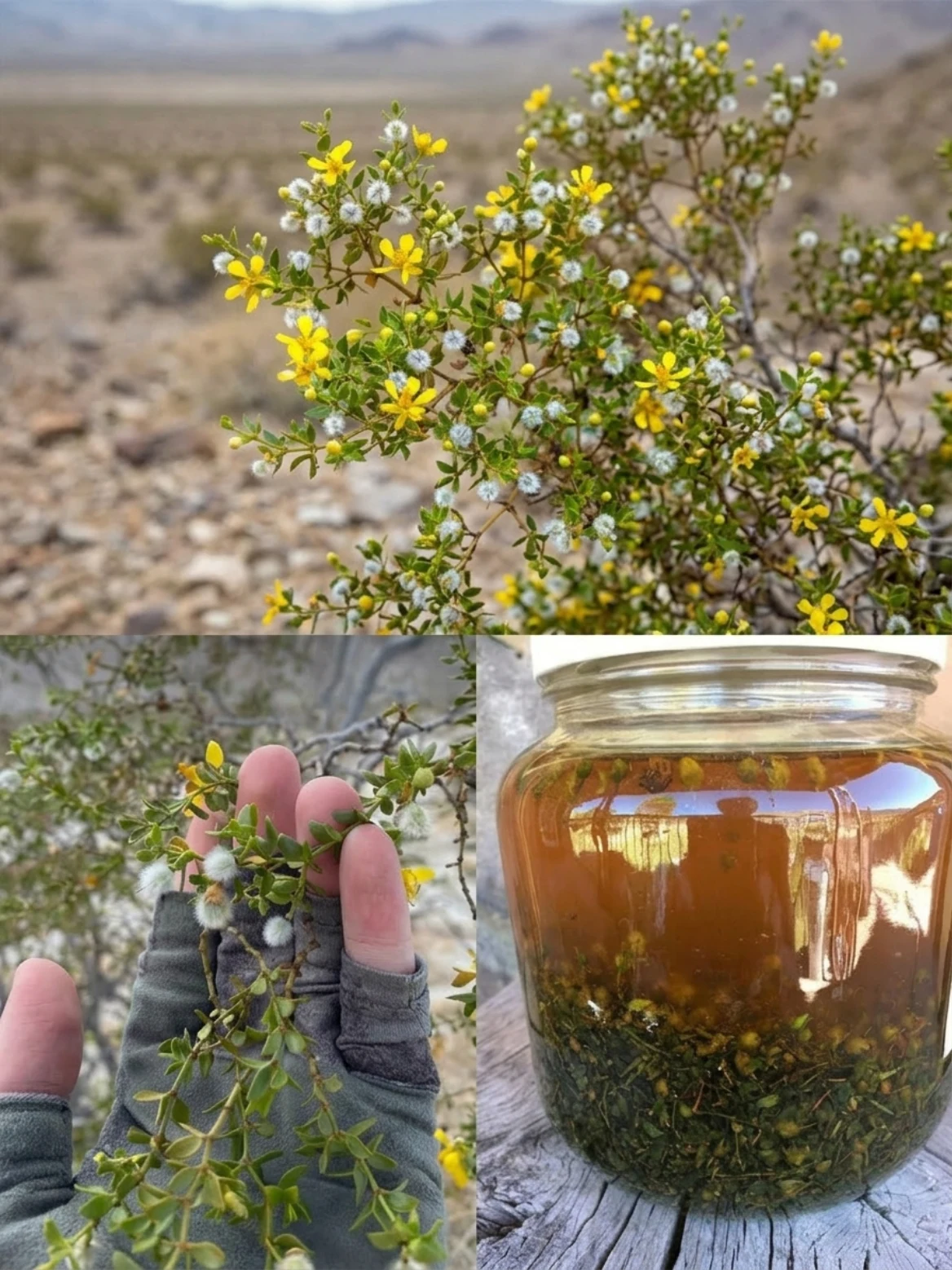
Larrea tridentata, better known as creosote bush and often called chaparral in herbal products, is one of them. It grows in some of the driest parts of the American Southwest and northern Mexico, and it has a long history in traditional medicine. Leaves and young stems were used in older herbal preparations for a wide range of complaints, from colds and inflammation to skin and digestive issues.
That long history is exactly why this plant still shows up in homemade teas and desert-herb infusions.
But this is also where the story needs to stay honest. Larrea tridentata is not a gentle beginner herb, and it is definitely not the kind of plant that should be promoted as a simple wellness tea for everyone. Modern toxicology and supplement references have linked chaparral products to serious liver injury, and some reports also mention kidney damage.
So yes, this plant has a real traditional reputation. But no, it is not a harmless herbal drink just because it comes from the desert.
Why People Still Use Larrea tridentata
Part of the appeal is cultural and practical.
Creosote bush has been used for generations in places where desert plants were not just landscape, but medicine. It became known as a strong, bitter herb for situations where people wanted something cleansing, drying, or protective. Older reports describe the dried leaves, stems, and twig tips being used in teas, tinctures, and topical preparations.
There is also a scientific reason the plant keeps attracting attention. Larrea tridentata contains nordihydroguaiaretic acid (NDGA), a phenolic compound that has been studied for antioxidant, anti-inflammatory, and metabolic effects in lab and animal research.
That sounds impressive, and in a research setting, it is.
But promising compounds are not the same thing as a safe home remedy.
What This Tea Is Traditionally Used For
In folk practice, creosote bush tea has been associated with:
- colds and seasonal complaints
- inflammation-related discomfort
- digestive upset
- general “cleansing” or tonic-style use
- diabetes-related traditional use in some communities
Research papers and reviews note that Larrea tridentata has been used traditionally for a wide variety of conditions, including type 2 diabetes and inflammatory complaints.
Still, that does not mean a cup of chaparral tea is proven to treat any of those conditions. Most of the more exciting findings remain preclinical, meaning they come from lab work or animal models, not strong human evidence.
Traditional Preparation
Historically, the tea-style preparation was very simple.
Ingredients
- 1 small pinch to 1 teaspoon dried Larrea tridentata leaves and twig tips
- 2 cups water
How it was prepared
The dried plant material would be added to water and gently simmered for about 10 minutes, then strained and taken in a small amount.
That is the traditional idea.
But this is also the point where modern caution has to be inserted clearly: the fact that a tea can be made does not mean it is wise to make it at home now.
Why Modern Caution Matters So Much
This is not just theoretical.
The NCBI LiverTox entry on chaparral says botanical extracts from creosote bush have been linked to clinically apparent liver injury, including cases severe enough to cause acute liver failure and even emergency liver transplantation.
WebMD is even more direct, describing chaparral taken by mouth as likely unsafe, with reports of acute hepatitis, kidney and liver damage, and liver or kidney failure.
At the same time, older monograph material notes that the toxicity record is not completely straightforward and mentions traditional populations who used chaparral tea without clear reported toxicity.
That does not cancel the risk. It simply means the modern picture is complicated. And when serious organ injury is part of the conversation, “complicated” is already enough reason to be very careful.
What You Can Realistically Say About This Remedy
The most truthful way to frame Larrea tridentata tea is this:
It is a traditional desert herb infusion with strong historical use and real pharmacologic interest, but it is not a casual wellness tea and not a proven cure for liver disease, diabetes, inflammation, or chronic illness.
That version may sound less dramatic, but it is much more useful.
Who Should Be Especially Careful
Extra caution is important if someone is:
- pregnant or breastfeeding
- taking regular medications
- living with liver disease
- living with kidney disease
- already using herbal supplements
- trying to self-treat a chronic illness instead of getting evaluated
Poison Control advises getting expert help right away if poisoning is suspected, especially if someone collapses, has trouble breathing, or cannot be awakened.
Final Thoughts
Larrea tridentata is a fascinating plant. It absolutely deserves respect for its place in desert herbal traditions, and it is easy to understand why it still attracts so much attention. It smells like rain on dry ground, survives where few plants can, and carries a long medicinal history behind it.
But some plants are better understood than casually copied.
This is one of them.
If you want the most honest takeaway, here it is: creosote bush tea is a powerful traditional remedy with a serious safety conversation attached to it. That makes it interesting, but it also means it should never be written about like a harmless daily tonic.
Related Source Science
Modern research on Larrea tridentata focuses heavily on NDGA, a major lignan studied for antioxidant, anti-inflammatory, and metabolic effects in experimental models. At the same time, authoritative toxicology sources have linked chaparral extracts to serious liver injury and other safety concerns. The strongest conclusion is not that the tea is fake, but that traditional use and modern safety are not the same thing.