What if a ‘weed’ you often pass by held a secret for one of your most vital organs? Most people quickly dismiss culantro, often confusing it with its more famous cousin, cilantro. Yet, this unassuming herb, also known as long coriander or eryngium foetidum, has been quietly recognized in traditional practices for centuries, particularly for its potential to support kidney well-being. This isn’t about broad herbal claims; it’s about understanding a precise, practical approach to harnessing its unique properties.

What is Culantro?
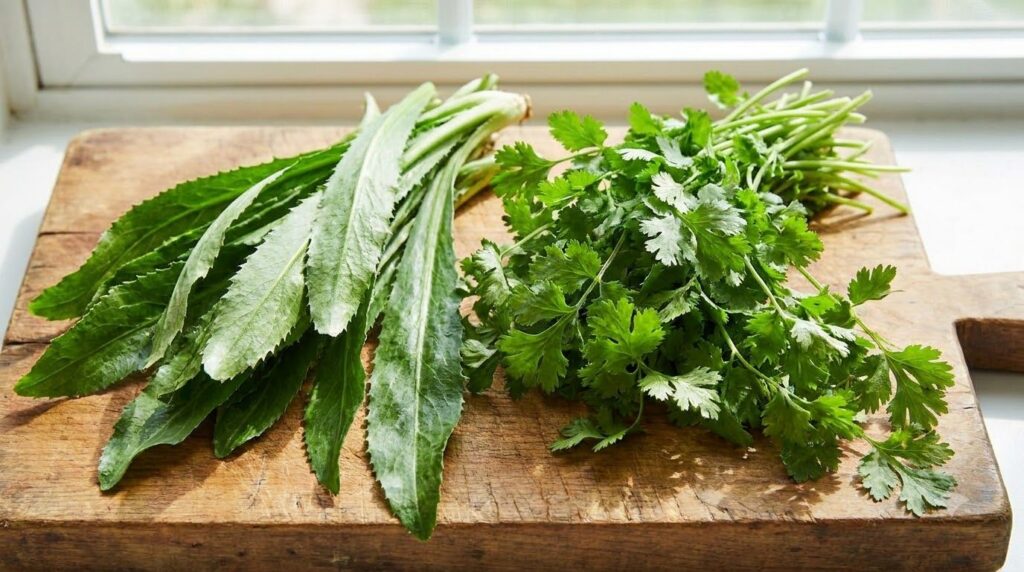
Culantro (Eryngium foetidum) is a tropical herb native to the Americas and the West Indies. While it shares a similar aromatic profile with cilantro, its leaves are much longer, tougher, and possess distinctive serrated edges. Its flavor is also more potent and pungent, which is why it’s often used sparingly in cooking. Beyond its culinary applications, indigenous cultures have long used culantro for various traditional remedies, and modern interest is growing, especially concerning its impact on kidney health.
The Culantro Kidney Tonic: Ingredients and Preparation
Creating a simple culantro tonic is a straightforward process that allows you to extract its beneficial compounds effectively. The goal is to create a gentle infusion that can be consumed regularly.
Approximate Measurements
- Fresh Culantro Leaves: 1/2 cup, firmly packed (roughly 15-20 medium leaves)
- Filtered Water: 3 cups
- Optional: A squeeze of fresh lemon juice or a teaspoon of raw honey for taste, if desired.
Formula / Recipe
The key to a potent tonic is proper extraction without over-boiling, which can degrade sensitive compounds.
Step-by-Step Method
- Wash Thoroughly: Rinse the culantro leaves under cold running water. Pay close attention to the crevices and undersides to remove any dirt or residue. Pat dry gently.
- Chop Roughly: Roughly chop the leaves into 1-inch pieces. This helps release their compounds more effectively during steeping.
- Bring Water to a Boil: In a non-reactive pot, bring 3 cups of filtered water to a rolling boil.
- Add Culantro & Steep: Remove the pot from the heat immediately. Add the chopped culantro leaves to the hot water.
- Cover and Infuse: Cover the pot with a lid and let it steep for 15-20 minutes. This allows the beneficial properties to infuse into the water without excessive evaporation or degradation from prolonged heat.
- Strain: Strain the liquid using a fine-mesh sieve or cheesecloth, discarding the spent leaves.
- Cool: Allow the tonic to cool to a comfortable drinking temperature. You can enjoy it warm or chill it in the refrigerator.
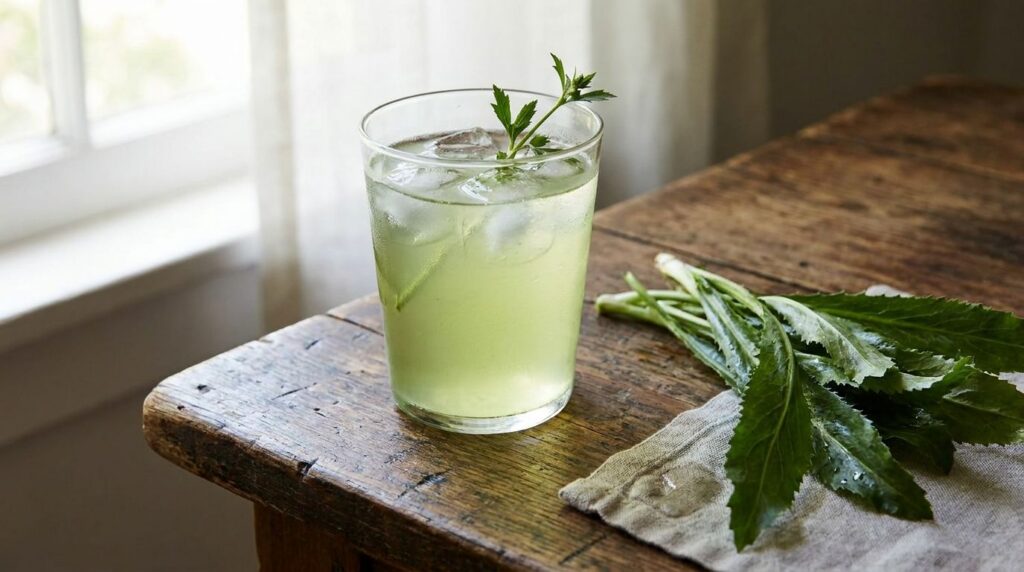
How to Use
The culantro tonic is typically consumed as a beverage. It has a distinct, earthy flavor that some may find strong, which is why a touch of lemon or honey can be added if preferred. Drink it plain to appreciate its natural qualities.
How Often to Use
For general kidney support, one cup of the tonic per day is a common recommendation. It’s often suggested to drink it in the morning or early afternoon. As with any herbal remedy, consistency is key, but always listen to your body and consult with a healthcare professional, especially if you have underlying kidney conditions.
Quick Tip: Fresh vs. Dried Culantro
While fresh culantro is ideal for its vibrant flavor and full spectrum of compounds, dried culantro can be used as an alternative, though you may need a slightly larger quantity (e.g., 2-3 tablespoons of dried leaves per 3 cups of water) to achieve a similar potency. However, dried leaves tend to lose some of their aromatic and delicate properties.
How to Buy / How to Choose Ingredients
Finding fresh culantro can sometimes be a challenge, depending on your location. Look for it in Asian, Latin American, or Caribbean grocery stores. When selecting fresh culantro:
- Choose leaves that are vibrant green, firm, and crisp.
- Avoid any bunches with yellowing, wilting, or slimy leaves.
- Check for any signs of pest damage or chemical sprays, especially if buying from a non-organic source.
If buying dried culantro, ensure it’s from a reputable supplier and free from additives.
Storage
- Fresh Culantro: Wrap unwashed leaves loosely in a damp paper towel and place them in a plastic bag in the refrigerator’s crisper drawer. It can last for 1-2 weeks this way.
- Culantro Tonic: Store any leftover tonic in an airtight glass container in the refrigerator for up to 2-3 days.
Practical Tips
- Start Small: If you’re new to culantro, start with a smaller amount of leaves and gradually increase to the recommended quantity as your palate adjusts.
- Organic is Best: Always opt for organic culantro when possible to avoid pesticides and other chemicals.
- Hydration is Key: Remember that no single herb replaces the importance of overall hydration for kidney health. Continue to drink plenty of plain water.
Common Mistakes
One small preparation mistake can ruin the whole batch or diminish its efficacy. Here are common pitfalls to avoid:
- Confusing Culantro with Cilantro: While similar in name and family, their properties and potency differ. Ensure you’re using true culantro (Eryngium foetidum). Culantro has long, strap-like, serrated leaves, while cilantro has delicate, fern-like leaves.
- Boiling Too Long: Prolonged boiling can destroy volatile compounds and reduce the tonic’s effectiveness. Steeping off the heat is crucial.
- Using Sprayed Plants: If harvesting from the wild or a non-organic source, ensure the plant hasn’t been treated with pesticides or herbicides.
- Ignoring Freshness: Wilted or yellowing leaves will not provide the same benefits as fresh, vibrant ones.
- Over-Complicating the Recipe: The simplicity of the tonic allows culantro’s properties to shine. Avoid adding too many other ingredients that might mask its effects.
Cautions / Who Should Avoid It
While generally considered safe for culinary use, individuals with certain conditions should exercise caution or avoid culantro:
- Pregnant or Breastfeeding Women: Limited research means it’s best to err on the side of caution and avoid medicinal doses.
- Individuals on Diuretics or Blood Thinners: Culantro may have mild diuretic effects and can potentially interact with blood-thinning medications. Consult your doctor.
- Allergies: If you have allergies to cilantro or other members of the Apiaceae family, you might also react to culantro.
- Kidney Disease: If you have pre-existing kidney conditions, it is crucial to consult a nephrologist or healthcare provider before introducing any new herbal remedy.
Quick Summary
The Culantro Kidney Tonic is a simple, effective way to integrate this powerful herb into your wellness routine. Best prepared as a steeped infusion, it supports general kidney well-being when consumed daily. Always use fresh, vibrant leaves and avoid prolonged boiling. Store the tonic in the refrigerator for up to three days. Pay close attention to distinguishing culantro from cilantro for optimal results.
FAQ
Q: Can I use dried culantro instead of fresh?
A: Yes, you can use dried culantro, but aim for a slightly larger quantity (e.g., 2-3 tablespoons per 3 cups of water) as some potency and aroma might be lost.
Q: How long does the culantro tonic last?
A: The prepared tonic can be stored in an airtight container in the refrigerator for up to 2-3 days.
Q: What part of the culantro plant is best for the tonic?
A: The leaves are the primary part used for making this tonic due to their concentration of beneficial compounds.
Q: Can I add other herbs to the tonic?
A: While you can, for specific kidney support, it’s often best to keep the tonic focused on culantro initially to observe its effects. Consult with an herbalist for multi-herb formulations.
Q: How can I tell culantro apart from cilantro?
A: Culantro has long, strap-like leaves with serrated edges, while cilantro has delicate, lacy, parsley-like leaves.
Q: Is it safe to drink culantro tonic every day?
A: For general wellness, a daily cup is often fine, but if you have any health conditions or are on medication, consult a healthcare professional first.
Q: Can children consume this tonic?
A: It’s generally not recommended for children without professional medical advice, as their systems are more sensitive.
Conclusion
Culantro, the often-overlooked ‘weed,’ holds genuine promise as a natural ally for kidney health. By understanding its unique properties and preparing it correctly, you can harness a remedy that is both simple and surprisingly effective. Integrating this humble herb into your routine could be a proactive step towards supporting your body’s vital filtration system. Don’t let its common appearance fool you; its potential runs deep.
You may also like: The Full Guide to Natural Diuretics for Wellness
Read more: Herbs for Full Body Detoxification

