Protein is a fundamental building block for a healthy body, playing a crucial role in everything from muscle maintenance and repair to enzyme production and immune function. For those looking to optimize their nutrition and support a vibrant, active lifestyle, incorporating a variety of protein-rich foods into daily meals is key.
But with so many options, where do you start? This guide will introduce you to 12 incredible protein powerhouses, offering practical ways to integrate them into your diet and help you understand why they are essential for your well-being.
Whether you’re an athlete, a busy professional, or simply aiming for a more balanced diet, these foods can help you feel fuller, support muscle health, and provide sustained energy throughout your day. Let’s dive into some of the best sources to fuel your body.
The Power of Protein: More Than Just Muscle
Before we explore the specific foods, it’s worth reiterating why protein is so important. Beyond muscle maintenance and repair, protein contributes to satiety, helping you feel full and satisfied, which can be beneficial for weight management. It’s also vital for healthy hair, skin, and nails, and supports a robust immune system. Including a diverse range of protein sources ensures you get all essential amino acids your body needs.
Your Go-To Guide: 12 Protein-Rich Foods to Boost Your Meals
Here are 12 versatile and delicious protein-rich foods that you can easily add to your meals to support your health goals.
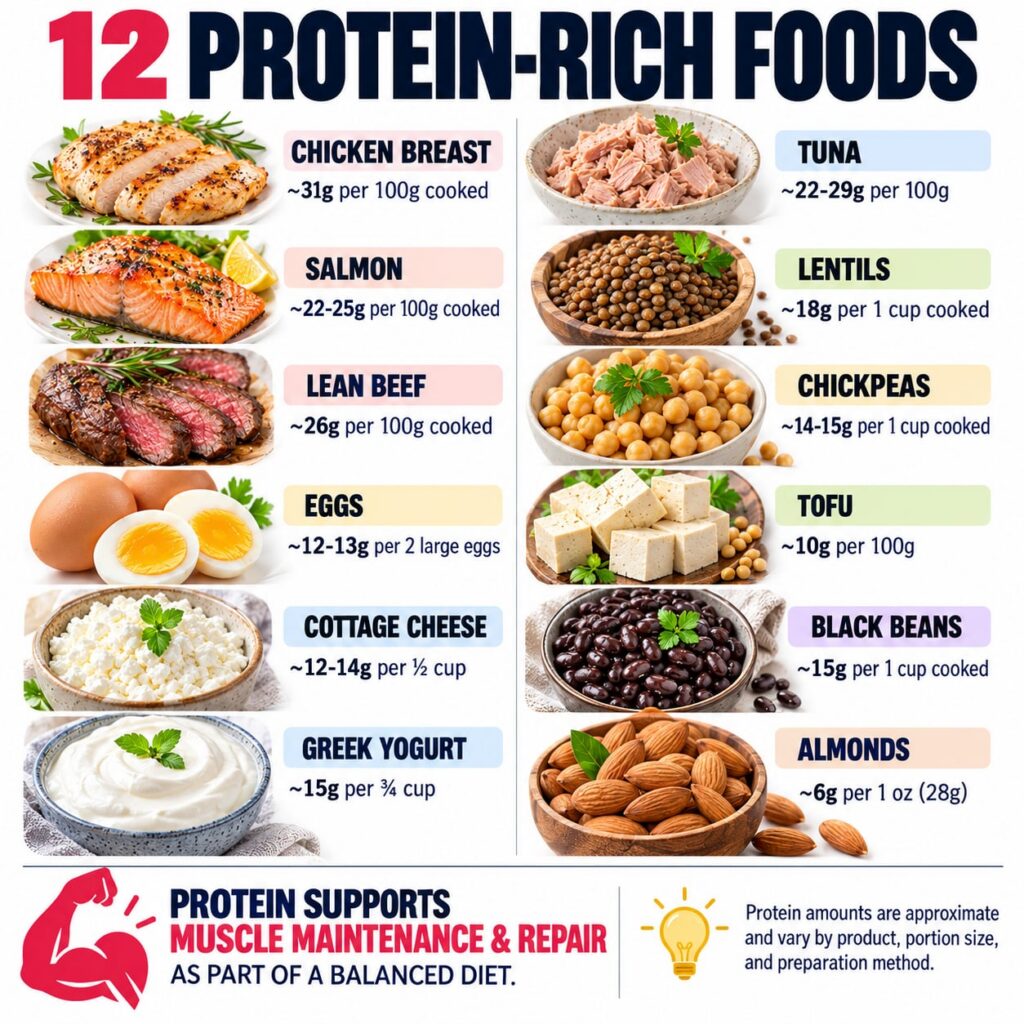
1. Chicken Breast
A classic for a reason, chicken breast is a lean protein powerhouse. It’s incredibly versatile and low in fat, making it a staple for many healthy eating plans. A typical 3.5-ounce (100-gram) serving can provide around 31 grams of protein.
- How to enjoy: Grill it, bake it, shred it for salads, stir-fries, or sandwiches. It’s excellent for healthy meal prep ideas.
2. Salmon
More than just protein, salmon is rich in omega-3 fatty acids, which are crucial for heart health and brain function. A 3.5-ounce serving offers approximately 20-22 grams of protein.
- How to enjoy: Baked or grilled with herbs and lemon, flaked into salads, or pan-seared.
3. Lean Beef
Lean cuts of beef, such as sirloin or round, provide high-quality protein along with essential nutrients like iron and zinc. A 3.5-ounce serving typically contains about 25-29 grams of protein.
- How to enjoy: Stir-fries, lean ground beef for tacos, chili, or a perfectly grilled steak as part of a balanced dinner.
4. Eggs
Often called nature’s multivitamin, eggs are a complete protein, meaning they contain all nine essential amino acids. One large egg provides about 6 grams of protein.
- How to enjoy: Scrambled, poached, boiled, or as part of a frittata. They’re perfect for high protein breakfast ideas and quick snacks.
5. Cottage Cheese
This dairy product is packed with casein protein, a slow-digesting protein that can keep you feeling full for longer. It’s also a good source of calcium. A 1-cup serving (about 226 grams) can have 25 grams of protein or more, depending on the type.
- How to enjoy: With fruit and a drizzle of honey, as a savory snack with black pepper, or blended into smoothies.
6. Greek Yogurt
Thicker and tangier than regular yogurt, Greek yogurt is strained to remove excess whey, resulting in a higher protein content. A 6-ounce (170-gram) serving typically contains 15-20 grams of protein.
- How to enjoy: A fantastic option for high protein breakfast, topped with berries and nuts, as a base for dips, or in smoothies.
7. Tuna
Canned tuna is a convenient and affordable source of lean protein. It’s also a good source of omega-3s, particularly albacore tuna. A 3-ounce (85-gram) serving provides around 20-22 grams of protein.
- How to enjoy: In salads, sandwiches, tuna melts, or mixed with avocado for a healthier spread.
8. Lentils
These humble legumes are a fantastic plant-based protein source, offering a good amount of fiber, which is great for digestion. One cup (198 grams) of cooked lentils contains about 18 grams of protein.
- How to enjoy: Soups, stews, curries, or as a hearty addition to salads. They are excellent for foods for digestion and plant-based meals.
9. Chickpeas
Another versatile legume, chickpeas (garbanzo beans) are rich in protein and dietary fiber. One cup (164 grams) of cooked chickpeas provides roughly 14.5 grams of protein.
- How to enjoy: Roasted for a crispy snack, blended into hummus, added to salads, or in Mediterranean-inspired dishes.
10. Tofu
Made from condensed soy milk, tofu is a complete plant-based protein, making it a favorite for vegetarian and vegan diets. A 3.5-ounce (100-gram) serving of firm tofu offers about 8-10 grams of protein.
- How to enjoy: Marinated and baked, grilled, stir-fried, or scrambled as a flavorful egg alternative.
11. Black Beans
Known for their rich color and earthy flavor, black beans are a great source of plant-based protein and fiber, contributing to gut health. One cup (172 grams) of cooked black beans provides approximately 15 grams of protein.
- How to enjoy: In tacos, burritos, salads, soups, or as a side dish.
12. Almonds
These nutritious nuts are not only a good source of protein but also healthy fats, fiber, and vitamin E. A 1-ounce (28-gram) serving (about 23 almonds) contains around 6 grams of protein.
- How to enjoy: A satisfying snack, sprinkled on oatmeal or yogurt, or as almond butter on toast.
Smart Tips for Incorporating Protein
- Diversify: Don’t rely on just one or two protein sources. Variety ensures you get a broader spectrum of nutrients and amino acids.
- Spread it Out: Aim to include protein in every meal, not just dinner. This helps with consistent energy levels and muscle support throughout the day.
- Meal Prep: Cook larger batches of chicken, lentils, or beans at the beginning of the week to easily add protein to your meals later.
- Snack Smart: Keep protein-rich snacks like Greek yogurt, cottage cheese, eggs, or almonds handy to avoid unhealthy cravings.
Final Thoughts
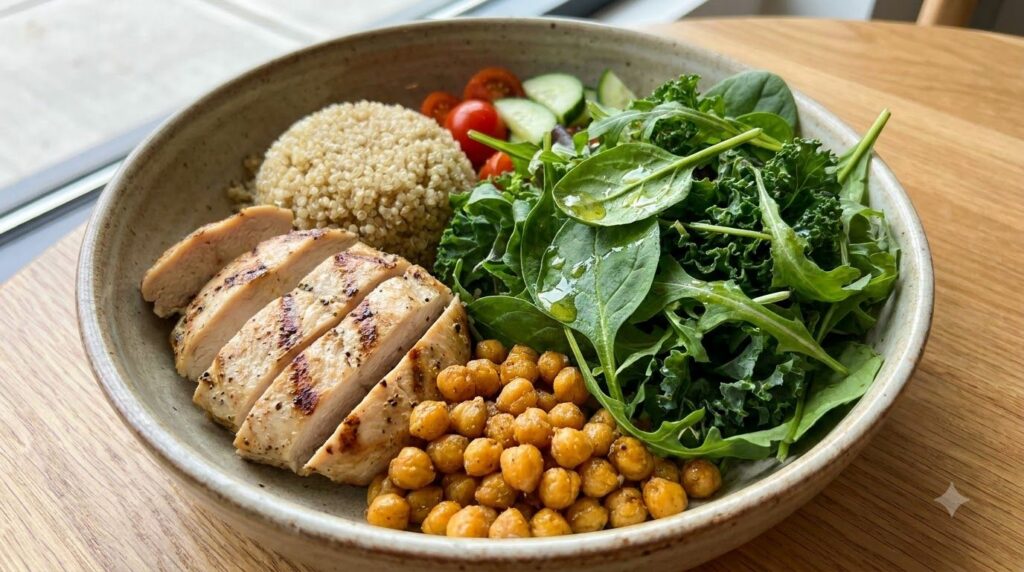
Incorporating a variety of protein-rich foods into your daily diet is a simple yet powerful way to support your overall health. From muscle maintenance and repair to aiding digestion and promoting satiety, protein is undeniably vital. By adding these 12 excellent sources to your meals, you’re not just fueling your body; you’re investing in your vitality and well-being. Experiment with different foods and preparation methods to find what works best for you and enjoy the benefits of a protein-packed diet.
Internal Link Suggestions:
- Easy & Healthy Meal Prep Ideas for Busy Weeks
- The Unexpected Benefits of Omega-3 Fatty Acids for Your Health
- Exploring the Best Plant-Based Protein Sources
External Sources:
- Harvard T.H. Chan School of Public Health: Protein
- Mayo Clinic: Protein: The Building Block for a Healthy You
- National Institutes of Health (NIH): Dietary Protein and Muscle Mass
Medical Disclaimer:
The information provided in this article is for general informational purposes only and does not constitute medical advice. Always consult with a qualified healthcare professional before making any significant changes to your diet or exercise routine, especially if you have pre-existing health conditions or concerns.